
























Starting your morning with something hot, crispy, and a little different can instantly lift everyone's mood at the dining table. If you are thoroughly bored of everyday rotis, parathas, or ordinary puris, it is time to try the famous Bengali Radhaballabhi Puri. Golden and crunchy on the outside while packed with a spicy urad dal stuffing on the inside, this special puri makes breakfast truly memorable. The best part is that you do not need any overly complicated techniques to prepare it right in your own kitchen.
Achieving the right texture for the dough and properly roasting the lentil stuffing significantly enhances its delicious flavor. Following the method shared by popular cooking creator Nisha Madhulika makes the entire process even simpler. Let us explore the easy way to make Radhaballabhi Puri for a delightful Sunday breakfast.
The Special Spice Blend for Radhaballabhi Puri
The core flavor of this puri comes from its spiced lentil filling. Begin by dry roasting about 2 tablespoons of cumin seeds and 2 tablespoons of fennel seeds in a pan over low heat. Once the spices release a pleasant aroma, turn off the heat. After they cool down completely, grind them into a fine powder. Adding a pinch of asafoetida to this mixture further enhances both the fragrance and taste.
Next, soak half a cup of urad dal in water for a few hours. Once the lentils are thoroughly soaked and softened, drain the excess water, transfer them to a mixer grinder, and grind them finely using very minimal water. Ensure that the paste does not become too runny, as a watery consistency will create difficulties while preparing the stuffing later.
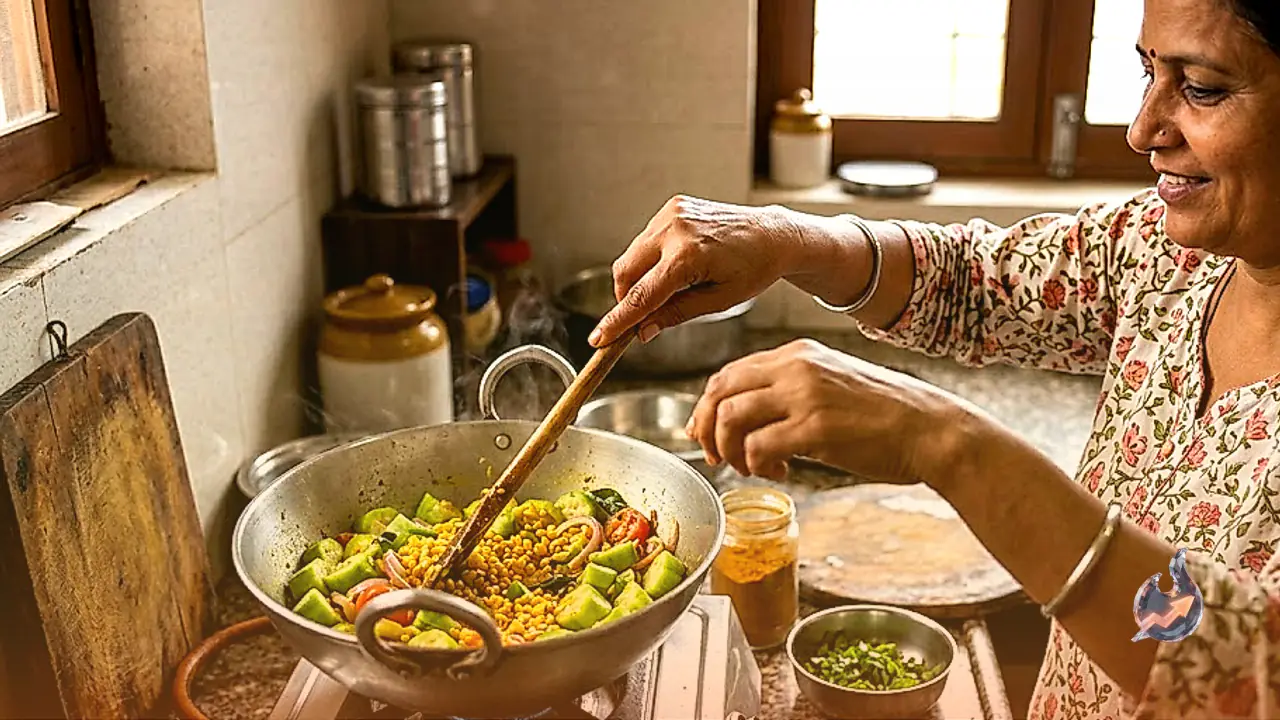
Now, take 2 cups of all-purpose flour in a large mixing bowl. Add a little salt, 1 teaspoon of the freshly prepared fennel-cumin spice mix, 1 teaspoon of ginger-chili paste, 2 teaspoons of the ground urad dal paste, and 1 teaspoon of sugar. Incorporate some cooking oil as shortening and mix all the ingredients thoroughly together. Gradually add water and knead a soft dough. The dough should neither be excessively stiff nor too loose. Apply a little oil on top, cover it, and let it rest for a brief period. This short resting phase helps improve the overall texture of the puris.
Preparing the Delicious Urad Dal Stuffing
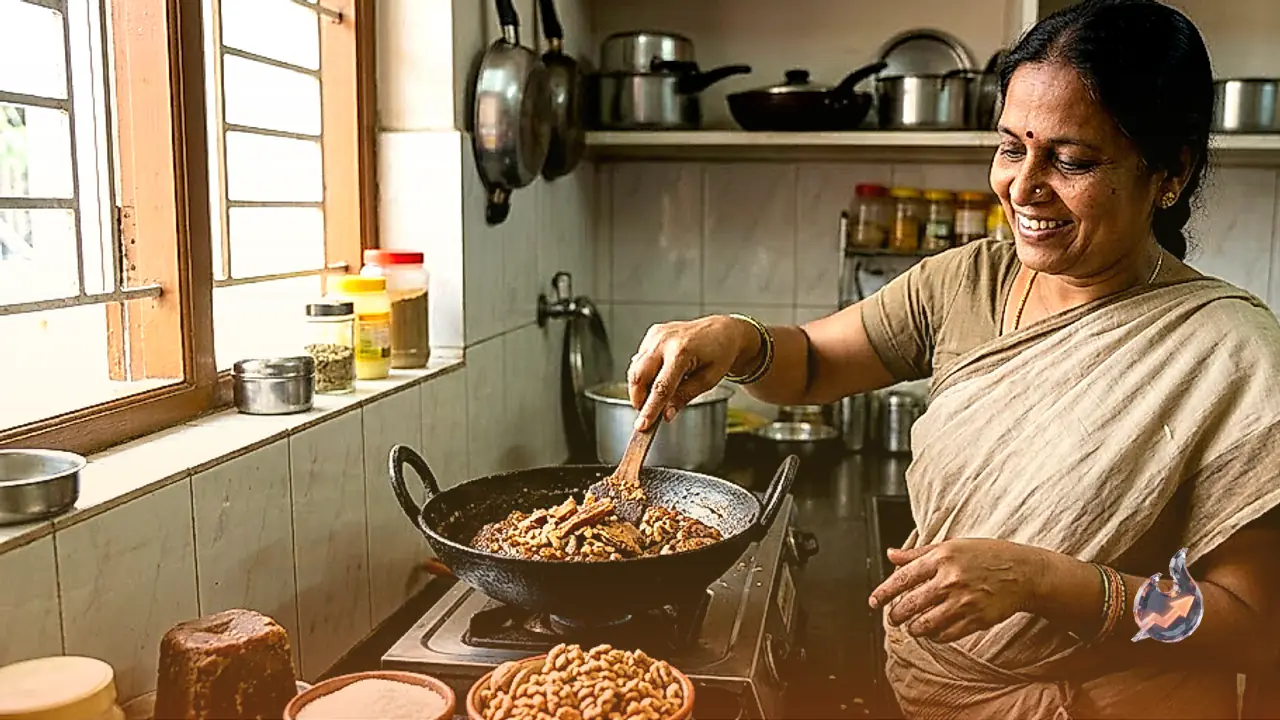
Heat a little oil in a pan. Sauté a small amount of ginger-chili paste lightly. Following that, add the remaining ground urad dal paste along with the leftover fennel-cumin spice powder. Stir the mixture continuously while cooking over heat. Once the moisture from the dal evaporates and the mixture thickens and comes together as a cohesive mass, you will know the stuffing is ready. Transfer it to a plate and allow it to cool down completely. Always stuff the puris only after the filling has cooled down entirely, as this prevents complications while rolling them out.
Stuffing the Dough Balls and Rolling the Puris
Knead the prepared dough once again lightly with your hands and divide it into equal-sized portions to form smooth balls. Take one dough ball, create a slight hollow in the center, and place a portion of the dal stuffing inside. Lift the outer edges to completely seal the stuffing from all sides.
Gently press it down with your palms and roll it out into a circular puri using a rolling pin. Avoid rolling it out too thin, or the internal stuffing might burst out; keep the thickness of the puri moderate.
Heat adequate cooking oil in a frying pan. Carefully slide one puri into the hot oil. Applying gentle pressure from the top using a skimming ladle will cause the puri to puff up nicely. Flip it over and fry until it turns golden and crispy on both sides. Prepare the remaining puris in the exact same manner. Serve these hot Radhaballabhi puris alongside a flavorful potato curry, chole, or any preferred gravy dish. For a Sunday morning breakfast, their taste will feel far more special to your family than ordinary plain puris.
Important Tips for Achieving the Ultimate Crunchiness
The most crucial consideration while making Radhaballabhi Puri is ensuring that the lentil stuffing does not retain excessive moisture. A wet filling can cause the puri to rupture while rolling. Similarly, if the dough is kneaded far too stiff, the puris will fail to puff up properly.
The frying oil must also be heated adequately. Dropping a puri into insufficiently hot oil will cause it to absorb excessive amounts of oil, whereas overly hot oil will brown the outer layer too quickly before it cooks through. Therefore, maintaining a balanced temperature between medium and high heat while frying yields the best results.