























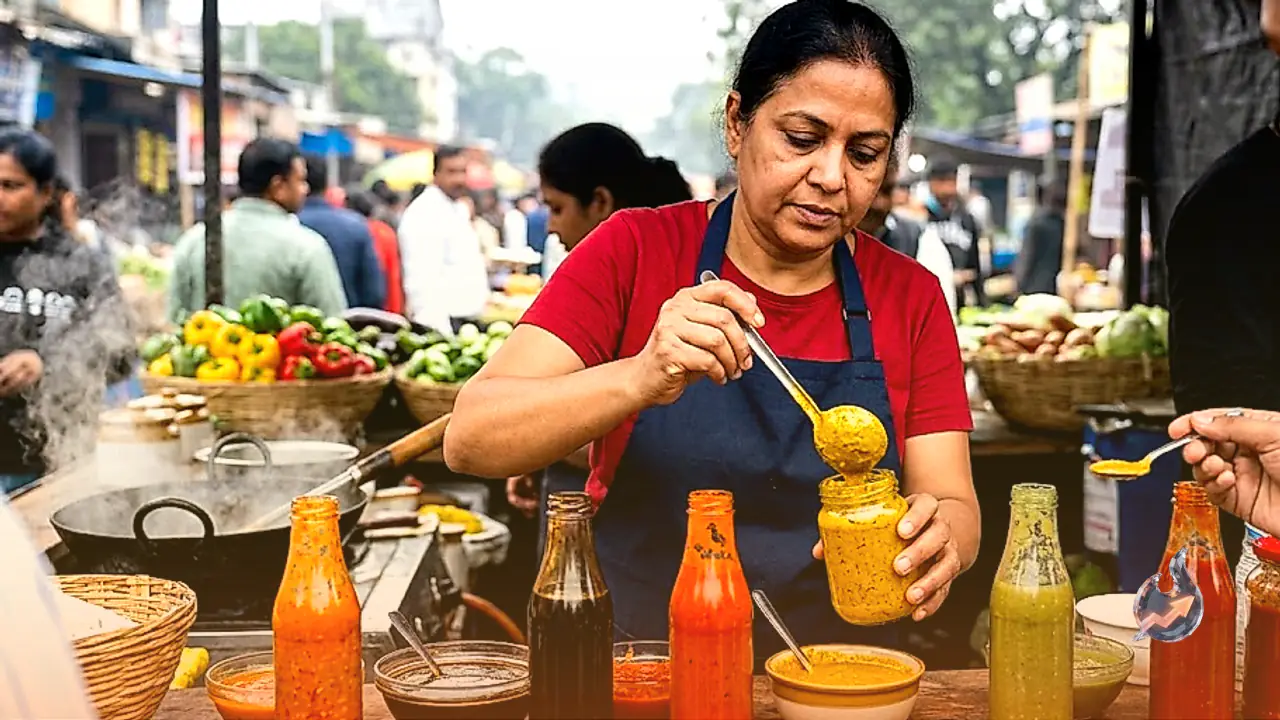

Enhancing daily meals with condiments requires an understanding of how distinct flavor profiles interact with different ingredients. Major culinary brands offer an extensive lineup of condiments, ranging from traditional mustard preparations to fiery chili pastes and fermented liquids. Selecting the ideal bottle depends entirely on the target dish, personal heat tolerance, and the specific taste balance required for snacks or entrees.
Kasundi Mustard and Fresh Green Chili Options
Rooted deeply in the culinary traditions of Eastern India, particularly West Bengal and Odisha, Kasundi stands out as a distinctive mustard-based condiment. Characterized by its tanginess, gentle heat, and grainy texture derived from crushed mustard seeds, this sauce offers a sharp bite. Culinary pairings typically feature regional favorites such as fried fish preparations, crispy pakodas, sandwiches, and various afternoon snacks where a tangy punch is desired.
For enthusiasts seeking immediate brightness and direct heat, Green Chili sauce serves as a versatile companion. Prepared directly from ground green chilies, this option delivers a clean, sharp spice profile. It frequently complements street foods and fast-food staples, including momos, vegetable rolls, burgers, toasted sandwiches, and fried pakodas. Beyond its fiery profile, fresh green peppers naturally contain essential nutrients like Vitamin C, though overall nutrient retention can diminish during commercial heat processing.
Fiery Profiling: Red Chili and Indo-Chinese Schezwan
Red Chili sauce remains among the most universal choices across domestic kitchens and commercial eateries. Formulated using ripe red peppers blended with selected spices, it provides a deep, robust heat profile favored by spice enthusiasts. It acts as an essential dipping accompaniment for samosas, steamed momos, spring rolls, along with serving as an ingredient in stir-fried noodles and fried rice. During the monsoon season, it is especially favored alongside hot, crispy pakodis.
Taking spicy condiments a step further, Schezwan sauce represents a popular fusion element within Indo-Chinese cooking. Built upon a potent mixture of dried red chilies, crushed garlic, fresh ginger, and rich aromatic spices, this condiment is defined by its thick texture and layered, intense pungency. It is widely utilized to toss or dip staples like Manchurian gravy items, fried rice, chow mein noodles, and momos, appealing strongly to individuals who crave complex, fiery flavor notes.
Umami Depth with Soya and the Balanced Tomato-Chili Blend
Soya sauce serves as a fundamental liquid seasoning across Chinese and wider Asian cuisines. Characterized by its deep savory quality and rich umami flavor profile, traditional varieties are manufactured through a natural fermentation process. Due to its concentrated saltiness, culinary experts recommend adding it in minimal quantities. Just a few drops during cooking can fundamentally transform stir-fried vegetables, noodle preparations, Manchurian broths, and pan-fried grains.
For consumers who prefer a mild, harmonized taste profile over extreme spiciness, Tomato Chili sauce delivers a middle ground. Combining the natural sweetness of ripe tomatoes with a delicate hint of chili heat, this option suits younger palates and children's snack times. It pairs exceptionally well with French fries, savory cutlets, samosas, and pakodas. Tomatoes naturally carry Lycopene, a potent antioxidant compound responsible for their red pigmentation. While thermal processing during manufacturing can enhance the biological availability of lycopene, the final concentration in the bottled product varies based on formulation and production methods.