




















A visit to the revered temple town of Deoghar in Jharkhand has long been recognized for both its profound spiritual atmosphere and its remarkable culinary heritage. Stepping out into the bustling lanes surrounding the Baba Baidyanath Temple, pilgrims and travellers are welcomed by the distinct aromas of traditional cooking that have defined the town for generations. Tasting these distinctive regional specialties is an essential ritual for anyone seeking the complete cultural essence of this ancient pilgrimage destination.
The Calming Morning Routine: Fresh Dahi Chura and Sabzi
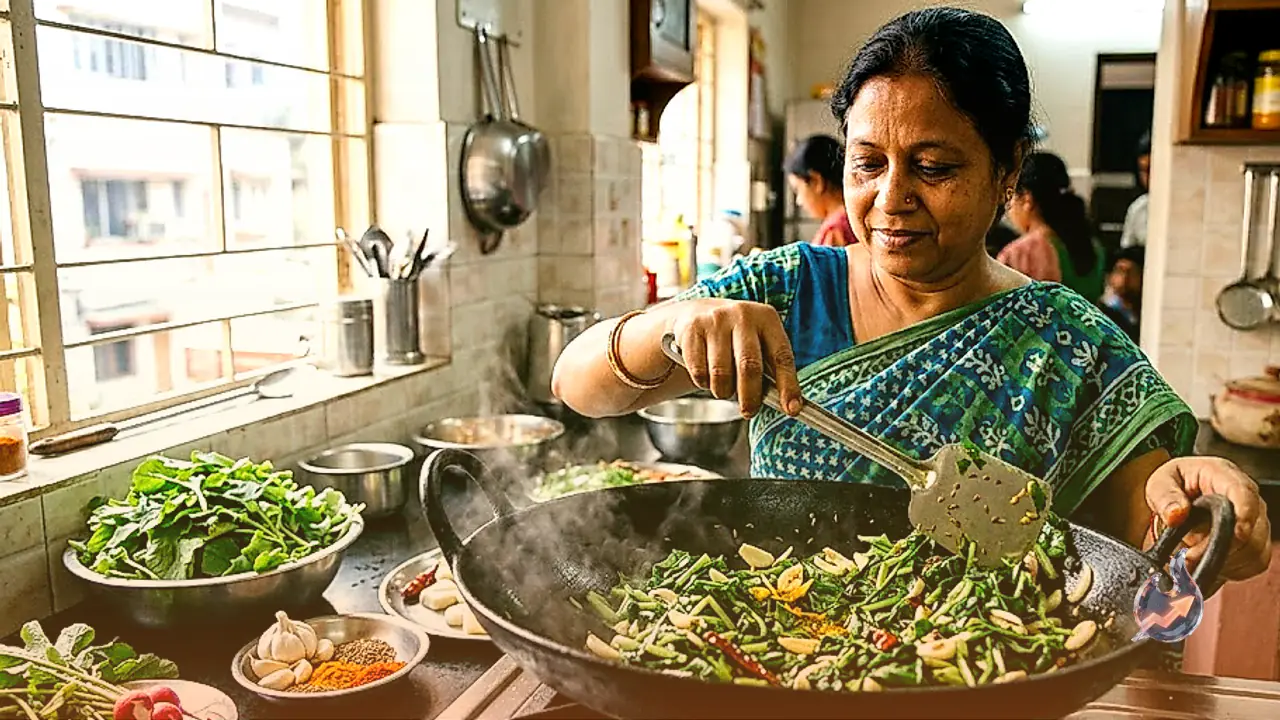
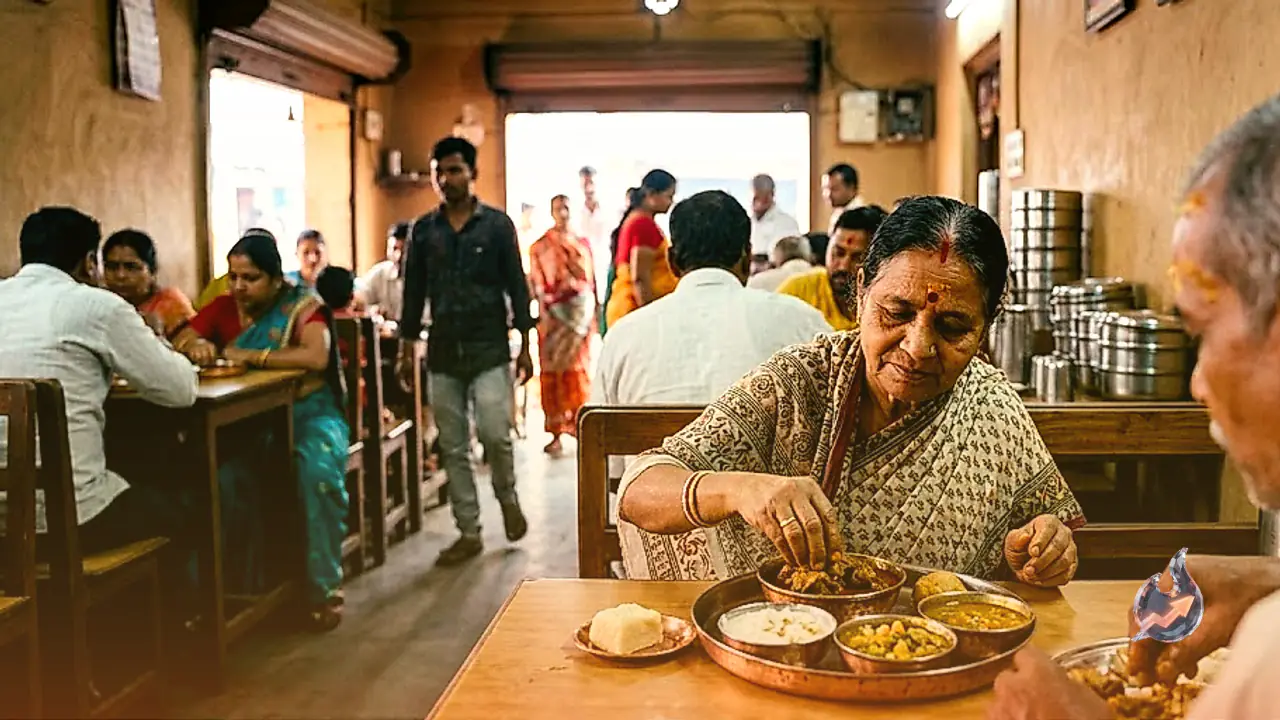
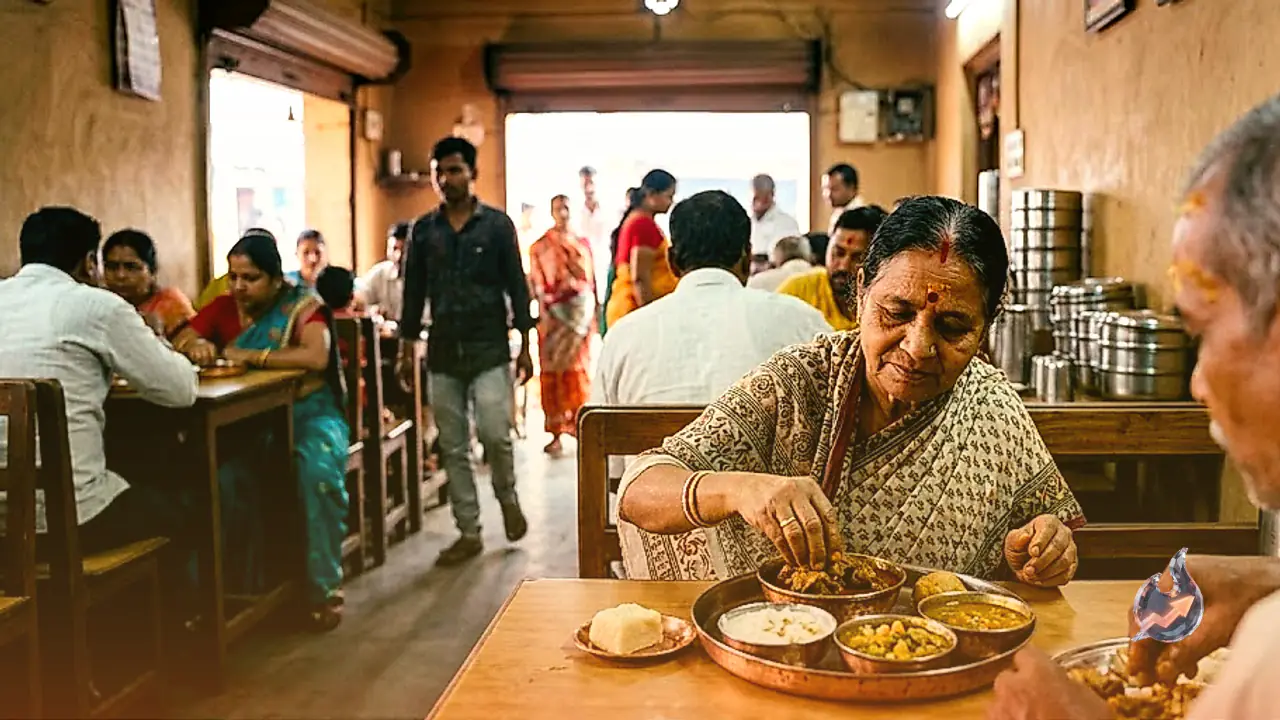
Morning routines in Deoghar traditionally center on a wholesome breakfast of dahi chura served alongside freshly cooked vegetable curry. Whether prepared in local households or enjoyed at humble street stalls, this simple dish remains the preferred morning meal across the city. Residents prize this combination because it sits light on the stomach while providing lasting nourishment and cooling comfort throughout the morning hours. Professionals leaving for their daily office duties and visitors heading toward the temple routinely begin their days with this nutritious breakfast plate.
Spicy Miloni: The Distinctive Local Ghugni Mudhi Mix
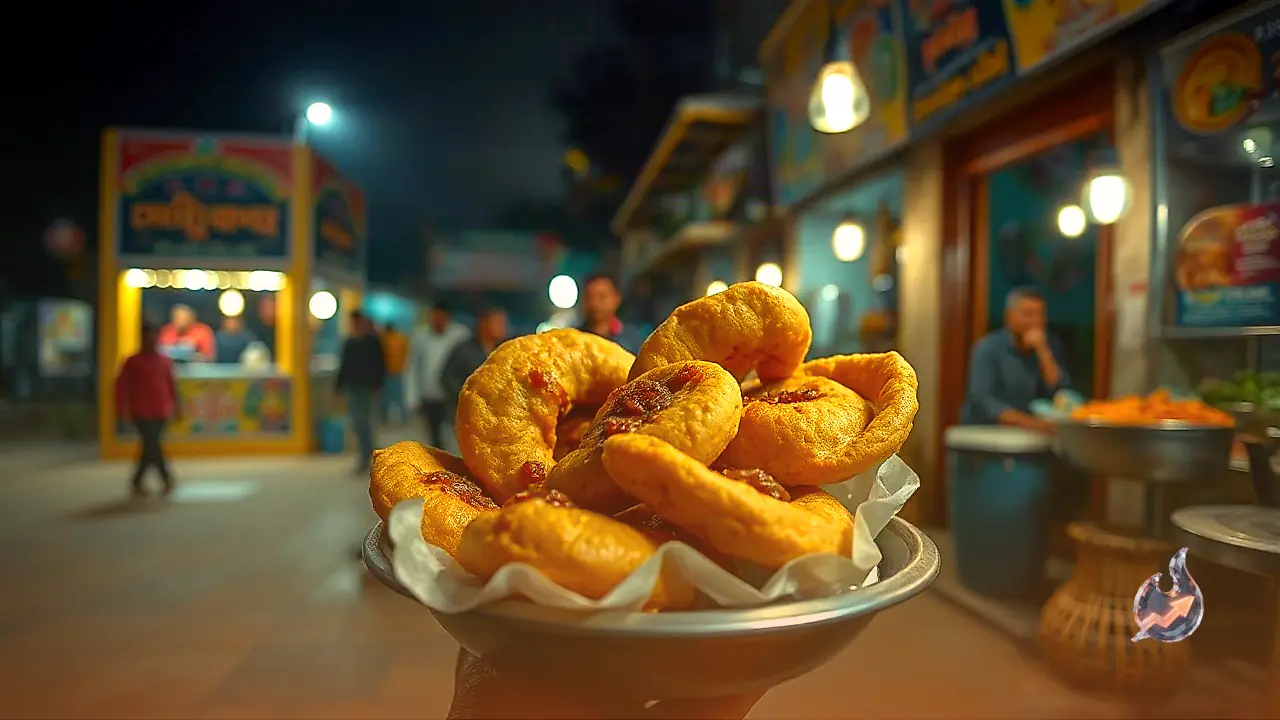
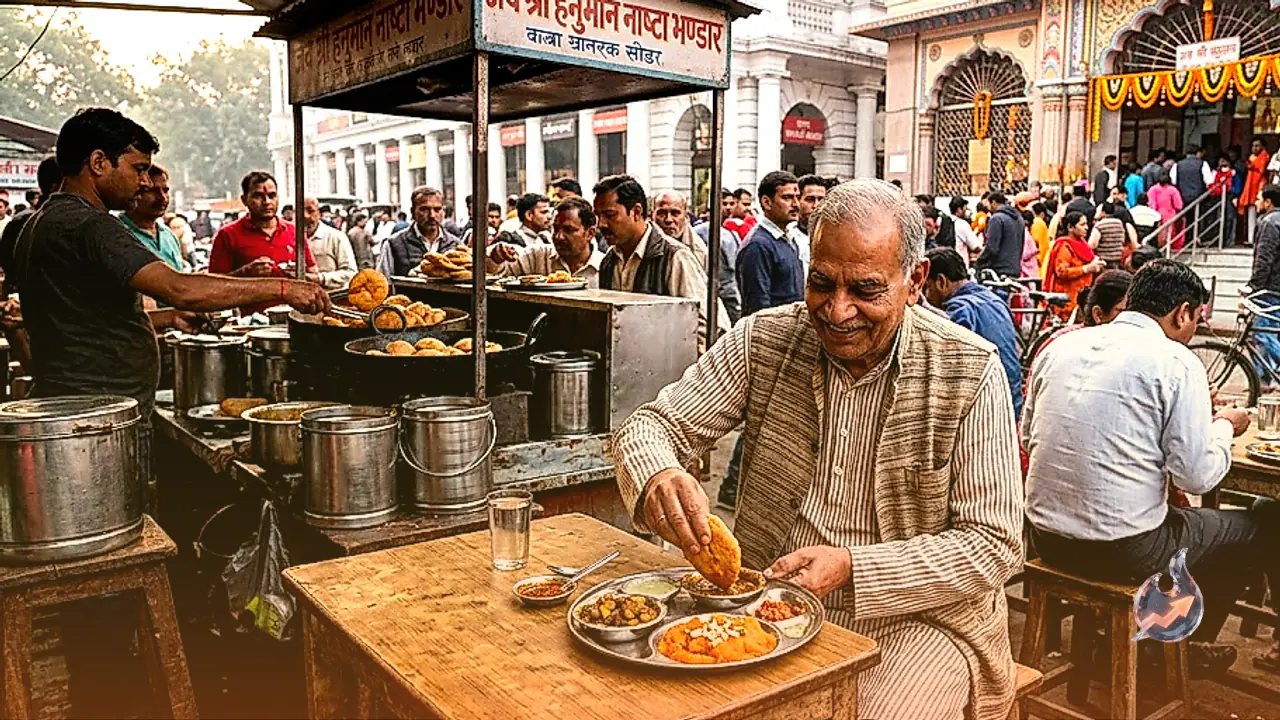
After completing temple prayers, visitors looking for a savory and tangy snack flock toward the lanes offering ghugni mudhi, known locally across Deoghar as miloni. Served on rustic plates crafted from dried leaves, this street preparation has developed a dedicated following outside the shrine gates. Vendors layer crisp puffed rice (mudhi) and flattened rice (chura) with warm spiced chickpea curry (chana sabzi), samosas, and golden fritters. A finishing dash of chili salt and fine crispy bhujia creates an invigorating blend of textures and spices that caters perfectly to street-food enthusiasts.
The Sacred Peda: An Indispensable Tradition of the Dham
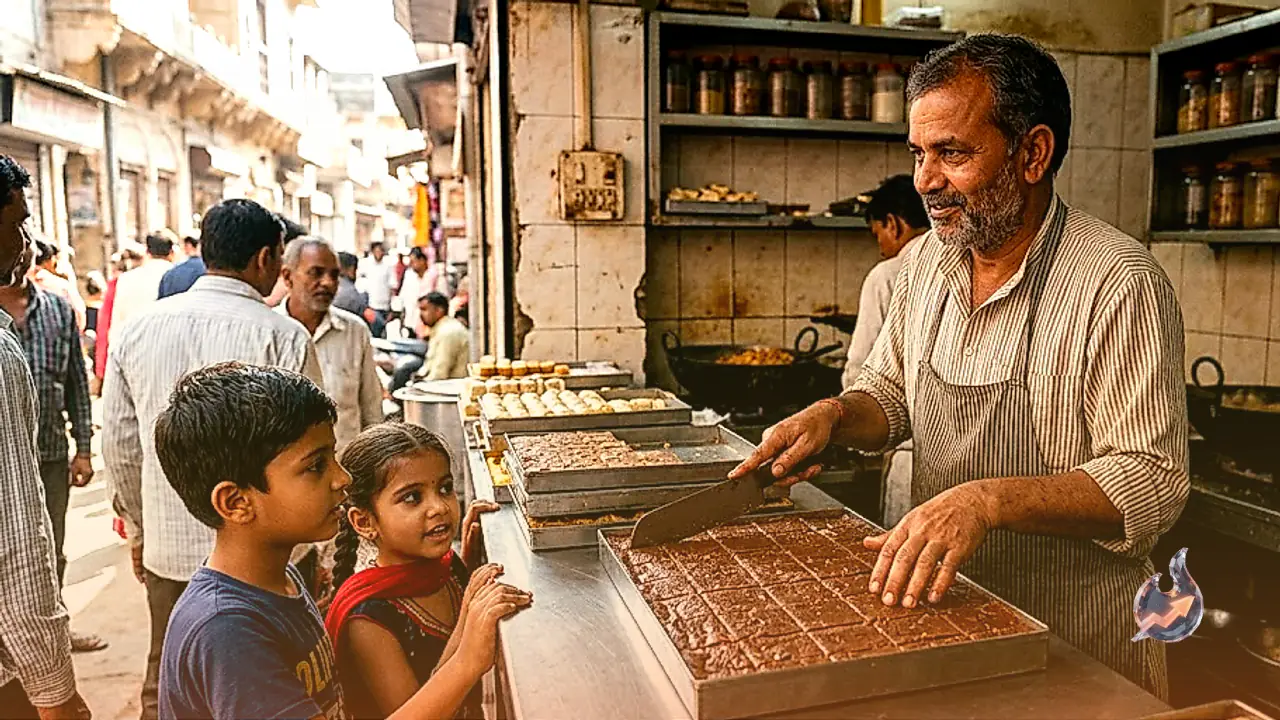
Mentioning Baba Baidyanath Dham naturally brings to mind temple prayers, ritual offerings, and the region's famed peda. Across Deoghar, peda is far more than a sweet delicacy; it represents an enduring souvenir of faith and travel. The narrow alleys framing the temple complex are lined with dedicated sweet shops where trays of freshly prepared pedas catch the eye of every passerby. Pilgrims purchase these milk-based sweets immediately after offering their worship, with many sampling them on the spot while packing cartons to take back home to family and friends.
Chilled Saffron Curd Paired with Soft Rasgullas
Another classic sweet combination popular along the temple streets brings together syrup-soaked rasgullas and cold, creamy saffron curd. The contrast between delicate, juicy rasgullas and rich kesar dahi creates an exceptionally refreshing profile. Sweet shops serve both traditional white varieties and yellow variations, each drawing enthusiastic crowds after busy morning temple rituals. This refreshing pairing offers a cooling pause during a demanding temple itinerary.
Rich Manbhog Crafted with Khoya and Pure Ghee
Among the refined sweets of Deoghar, manbhog holds an exclusive standing due to its intricate preparation method. Artisans craft this sweet using a balanced blend of rich khoya, wheat flour, milk, pure ghee, and aromatic cardamom seeds. Generous toppings of sliced dry fruits add both texture and visual appeal to each piece. While available at only a select few historic shops in the temple quarter, manbhog remains a definitive must-taste for anyone seeking deeper insight into the town's confectionery heritage.
Steaming Parathas Weighed by the Scale
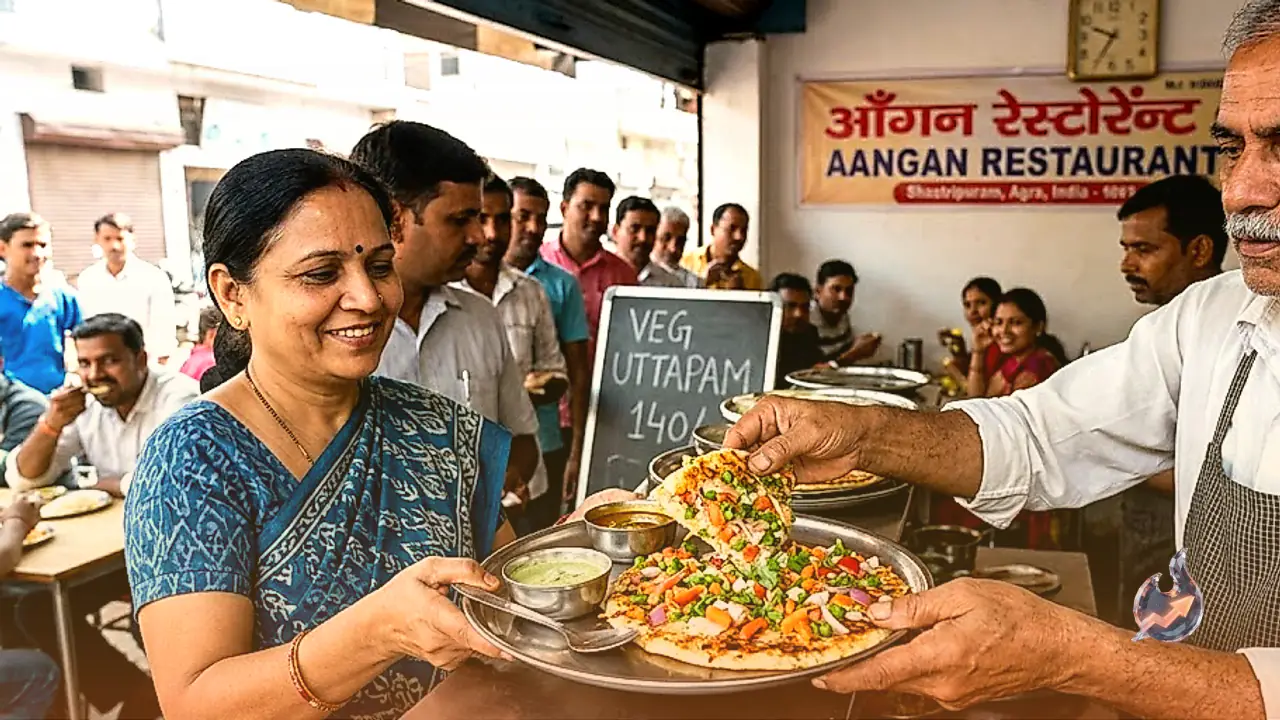
Hungry pilgrims exploring food options near the shrine frequently make their way to Deoghar's famed paratha lane. This entire street is dedicated to preparing and serving an array of stuffed parathas directly off scorching griddles. In a unique local practice, these parathas are sold strictly by weight rather than by individual piece count. Operating continuously through the day and into late hours, the street allows worshipers to satisfy hearty appetites with piping-hot breads prepared in multiple flavorful varieties.
Waterless Mutton Atthe Cooked in Iron Skillets
Alongside its vegetarian delicacies and traditional sweets, Deoghar boasts a celebrated non-vegetarian specialty known as mutton atthe. Meat enthusiasts appreciate this preparation for its unconventional cooking technique. The dish is cooked entirely without adding water; instead, seasoned cuts of mutton simmer solely in rich pure ghee and regional spices. Prepared slowly inside heavy cast-iron skillets (lohe ki kadahi), the dish absorbs a deep, smoky aroma and tender texture that distinguishes it from conventional meat preparations across the state.