






















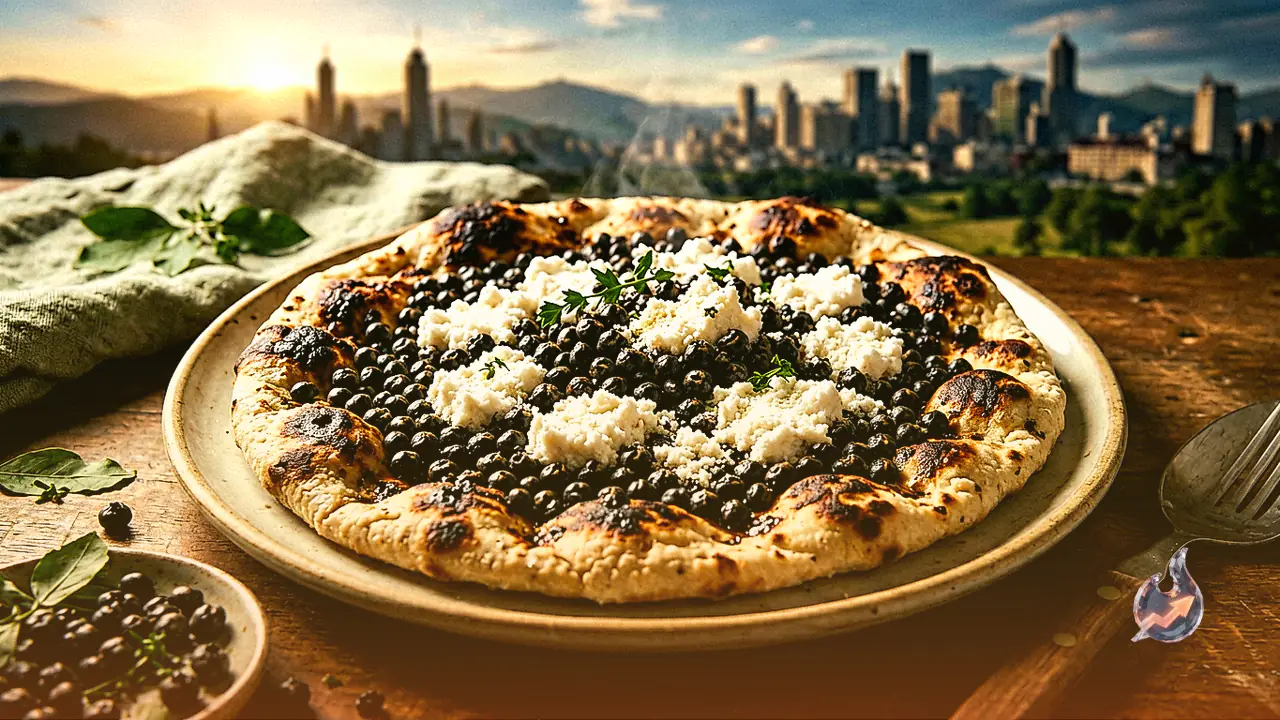

Whether served for a comforting breakfast or a hearty dinner, piping hot stuffed parathas instantly elevate any meal. When packed with essential nutrients, they bring both rich flavor and wholesome health benefits to the table. Soaked or sprouted black chickpeas (kala chana) are widely recognized as a powerhouse of dietary fiber, plant protein, iron, and long-lasting energy. Consuming them on an empty stomach in the morning aids digestion, boosts physical stamina, and helps combat anemia. Combining these nutrient-dense legumes with grated cottage cheese (paneer) yields a delicious stuffed paratha that is easy to prepare at home and serves as a great alternative to oily options like samosas and kachoris.
Soaking the Chickpeas and Preparing the Base Paste
The foundation of a great black chickpea paratha lies in proper soaking. It is essential to soak the dried black chickpeas in water for 10 to 12 hours. If you plan to serve these parathas for breakfast, set the chickpeas to soak overnight. If you intend to make them for dinner, begin soaking them early in the morning. Once fully hydrated, strain the chickpeas into a separate bowl.
There are two efficient methods to prepare the chickpea paste. You can either grind the soaked chickpeas directly in a blender without adding water, or transfer them to a pressure cooker and cook for 1 to 2 whistles before mashing them thoroughly. Avoid adding water while grinding to keep the mixture firm. To infuse flavor, heat a frying pan and temper cumin seeds, chopped green chilies, and a pinch of asafoetida. Add finely chopped onions, a bit of turmeric powder, and chat masala, sautéing until aromatic.
Crafting the Flavorful Paneer-Chana Filling
Add the ground chickpea paste directly to the pan with the sautéed spices. Fry the mixture continuously on medium heat until the spices blend seamlessly with the chana paste. Once the chickpea filling is thoroughly cooked, remove the pan from heat and stir in dry mango powder (amchur) along with finely chopped fresh coriander leaves for a tangy lift.
To ensure the paratha turns out soft, rich, and fluffy, grate fresh paneer directly into the chickpea mixture. The addition of paneer balances the earthy texture of the legumes and prevents dryness. If desired, boiled mashed potatoes can also be incorporated into the mixture to adjust the consistency. Mix all ingredients thoroughly to achieve a well-balanced, aromatic filling.
Kneading the Dough and Blending the Tangy Tomato Chutney
For the bread casing, add dried fenugreek leaves (kasuri methi) and a pinch of salt to standard whole wheat flour before kneading it into a pliable dough. Kasuri methi adds an herbal aroma that pairs beautifully with spiced fillings. Set the dough aside and prepare a tangy tomato chutney to accompany the meal.
Boil 4 to 5 whole tomatoes in a pressure cooker. Once cooled, peel off their skins and place them into a blender jar. Add half a teaspoon of cumin seeds, 1 teaspoon of mint powder, a pinch of black salt, fresh coriander leaves, and garlic cloves. Blend until smooth. This aromatic, spicy chutney complements the rich parathas perfectly.
Stuffing, Rolling, and High-Heat Cooking Techniques
Divide the dough into generous portions and shape each piece into a deep, bowl-like cavity. Stuff a substantial portion of the chickpea-paneer filling into the center, gather the edges, and seal firmly. This shaping technique locks in the filling and allows the paratha to puff up evenly while cooking.
Dust the stuffed dough ball with dry flour and roll out smoothly. Ensure the paratha remains slightly thick rather than thin, as overly thin dough can tear and spill the filling. Always start rolling from the side where the dough was sealed. Heat the tawa thoroughly before placing the paratha on it. Cook on high heat, applying butter or ghee generously to both sides until golden spots appear and the crust becomes crispy. Serve piping hot alongside the freshly blended tomato-mint chutney or a bowl of fresh curd.