























With the arrival of the monsoon season, the craving for hot and spicy traditional snacks takes center stage in kitchens across many regions. Among the various seasonal delicacies, arbi leaf fritters, commonly known as pattaur or badiya in different areas, hold a special place for food lovers. These leaves grow abundantly near fields and homes during the rains, making this rustic dish both accessible and deeply flavorful.
The preparation begins by selecting fresh and clean leaves, which are washed thoroughly to remove any dirt or impurities. In a separate bowl, gram flour is mixed with salt, red chili powder, turmeric, coriander powder, carom seeds, and other spices as needed to form a thick batter. This spiced mixture is then spread evenly over the leaves, which are stacked and rolled tightly together.
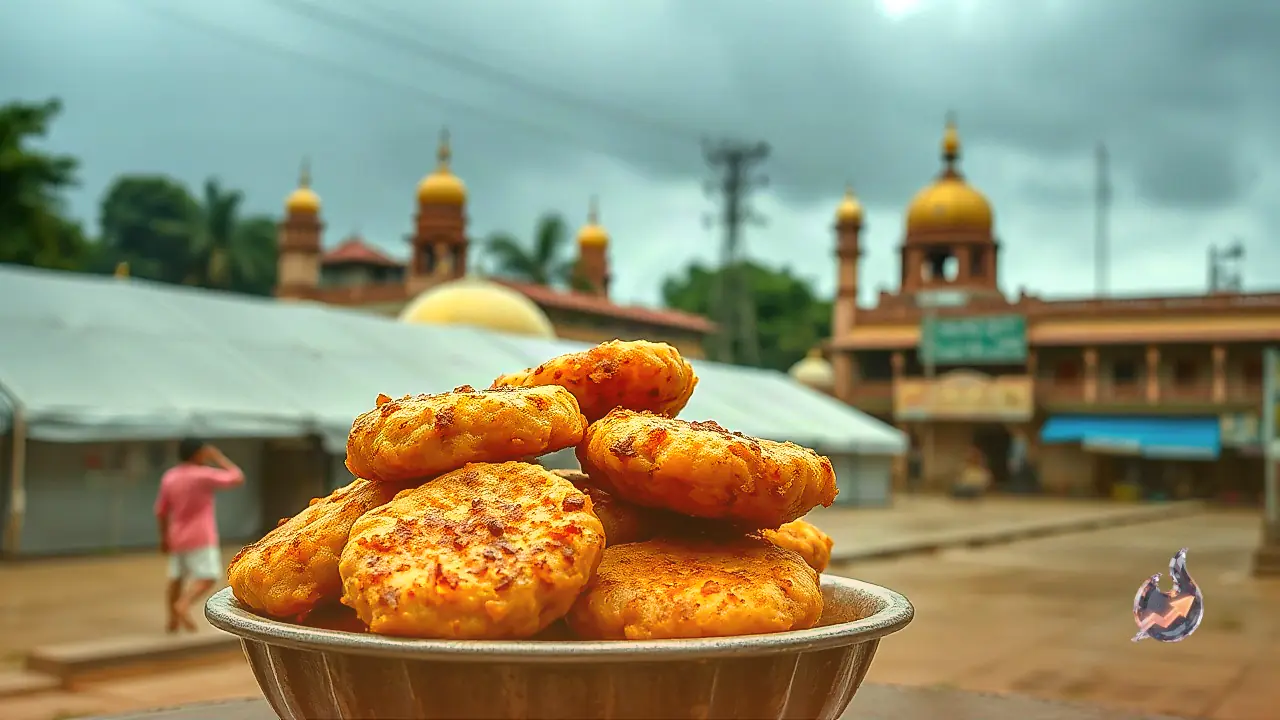
Once the rolls are securely formed, they are placed in a steamer to cook through. After steaming, the rolls are sliced into small pieces and fried in hot oil until they turn golden and crispy. These piping hot fritters are typically served alongside green chutney, tomato dip, or a steaming cup of tea, providing immense comfort during chilly and overcast rainy days.
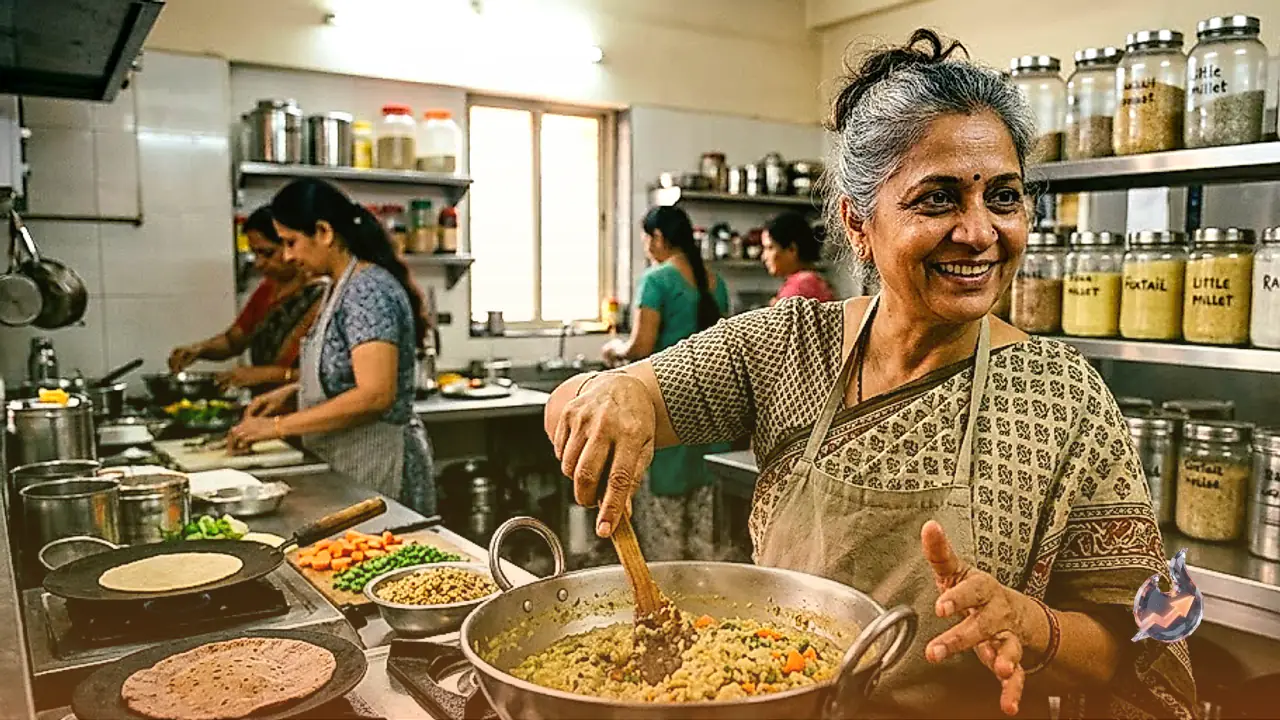
This traditional preparation is especially prominent in rural communities, where elderly women continue to pass down the time-tested techniques from older generations. Requiring minimal ingredients and low cost, the dish keeps traditional culinary practices alive while offering a distinct and savory taste that modern snacks often fail to replicate.
The combination of cool weather, cloudy skies, and hot fried snacks creates a natural demand for this delicacy in households throughout the wet season. While such items are rarely found on standard restaurant menus, their popularity remains exceptionally high in rural neighborhoods where traditional food heritage is cherished.
Even as modern fast food options gain widespread traction, arbi leaf fritters continue to hold their ground as a beloved seasonal comfort food. They serve not just as a tasty treat, but as a reminder of traditional rural cooking methods that emphasize fresh, locally available produce.
Homekeeper Manju shares that making these fritters does not require expensive or complicated ingredients. Basic pantry items like gram flour, salt, turmeric, red chili, coriander, and ajwain are enough to bring the recipe together. After coating the cleaned leaves with the spiced batter, the rolls are steamed, sliced, and lightly fried until golden, making them an ideal accompaniment to tea when the weather turns rainy.