























Preparing crispy snacks like samosas, mathris, savory bites, or sweet gujiyas usually prompts a quick trip to the grocery store to purchase a packet of refined all-purpose flour. However, running out of refined flour right in the middle of meal preparation can disrupt kitchen plans. In such moments, whole wheat flour readily available in the kitchen pantry offers a practical and reliable alternative. With a straightforward separation method that requires neither expensive gadgets nor specialized machinery, one can extract the finest portion of wheat flour to use as a substitute for refined flour. All that is required is a deep container and a clean piece of muslin cloth.
Preparation and Quantity Ratios for Extracting Fine Flour
Extracting the finer granules from whole wheat flour is an uncomplicated procedure, provided the fundamental preparation and measurements are handled correctly. Starting with good quality wheat flour is essential for achieving satisfying results. Anyone aiming to obtain roughly half a kilogram of fine flour should begin with approximately one kilogram of regular whole wheat flour. The final yield can vary depending on the inherent texture of the flour and the thoroughness of the sifting process.
To set up the workspace, select a large, deep bowl. Spread a clean, completely dry muslin cloth across the top of the bowl and secure it firmly around the rim so that it stays anchored under pressure. The cloth must be entirely free from moisture, as damp fabric will cause flour particles to clump together and block the microscopic openings through which the finest grains must pass.
Step-by-Step Technique for Muslin Cloth Sifting
Once the fabric is tightly fastened over the container, pour the wheat flour onto the cloth in small batches. Overloading the cloth at once makes sifting difficult and slows down the movement of the finest particles. Using clean hands or the back of a large spoon, rub the flour gently and continuously against the fabric weave.
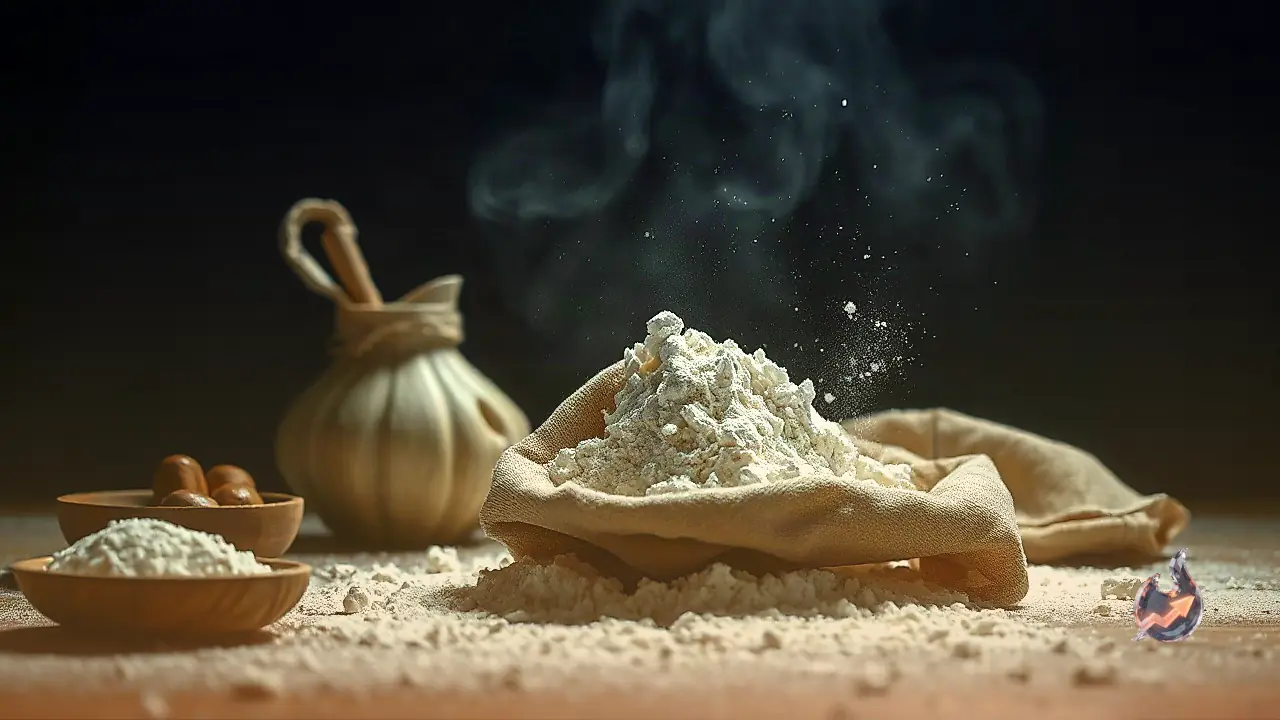
As the flour is worked across the cloth, the most delicate and silky granules drop through into the deep bowl beneath, while the coarse particles and fibrous bran remain trapped on top of the muslin. It is worth noting that this extraction process does not produce a chemical duplicate of industrially processed refined white flour. Instead, it yields the naturally superfine core of the wheat grain, functioning effectively as an unbleached household substitute. After completing the sifting, transfer the separated coarse residue from the cloth into a separate vessel and store the accumulated fine flour safely.
Repurposing the Leftover Bran Without Kitchen Waste
The thick layer of bran collected on the muslin cloth should never be discarded as kitchen scrap. This residue contains valuable roughage that can easily be reintegrated into daily cooking routines rather than going into the bin.
The most straightforward method to utilize this separated bran is by blending it back into the standard flour dough prepared for everyday flatbreads and chapatis. By mixing this portion into regular dough, the overall dietary bran content in daily meals remains intact. This approach ensures zero waste in the kitchen while simultaneously providing the refined base required for festive snacks.
Proper Storage Guidelines and Moisture Control
To preserve the delicate texture of this homemade fine flour, proper storage is critical. Transfer the freshly sifted flour into a thoroughly cleaned and bone-dry airtight container, ensuring that humidity cannot penetrate the seal. It can then be retrieved in measured portions whenever needed for preparing mathri, samosa dough, gujiya casings, or seasoned savory bites.
Cooks should keep in mind that the color and physical texture of this naturally extracted flour will differ from commercial refined flour. In dishes that call for an exceptionally slick, ultra-white commercial texture, the final visual appearance might display subtle natural variations.
Suitable Recipes and Liquid Adjustments
This homemade fine flour performs admirably in a wide spectrum of traditional home-cooked snacks, particularly in preparations that do not depend on heavy chemical processing or high-gluten elasticity. Crisp pastry shells and fried delicacies respond particularly well to its natural crumb.
When working with this flour for the first time, it is sensible to begin with a modest test batch. Because its liquid absorption characteristics can diverge from factory-milled white flour, water or other binding liquids should be introduced gradually until the desired dough consistency is achieved.