























Sabudana Khichdi is a widely cherished dish across Indian households, serving as both a staple food during religious fasts and a wholesome option for daily breakfast. Prepared using tapioca pearls, potatoes, and peanuts, this dish is celebrated for its lightweight feel and energy-boosting properties. However, home cooks frequently encounter an annoying problem: the sago pearls sticking together, forming a gummy mass instead of remaining individual and fluffy. The root cause of this texture failure usually lies in improper starch removal during soaking or over-handling the dish on the stove. By adhering to precise water proportions and gentle cooking methods, anyone can achieve restaurant-quality results in their own kitchen.
Required Ingredients and Proportions
To ensure consistent flavor and texture, gather all components in exact measurements before beginning the preparation
- Tapioca Pearls (Sabudana): 1 cup
- Boiled Potatoes: 2 medium-sized (cubed)
- Roasted Peanuts: 1/2 cup
- Green Chillies: 2 (finely chopped)
- Cumin Seeds: 1 teaspoon
- Curry Leaves: A small handful
- Ghee or Cooking Oil: 1 tablespoon
- Salt: Rock salt or regular salt to taste
- Lemon: 1/2 piece
- Garnish: Freshly chopped coriander leaves
The Art of Soaking and Removing Starch
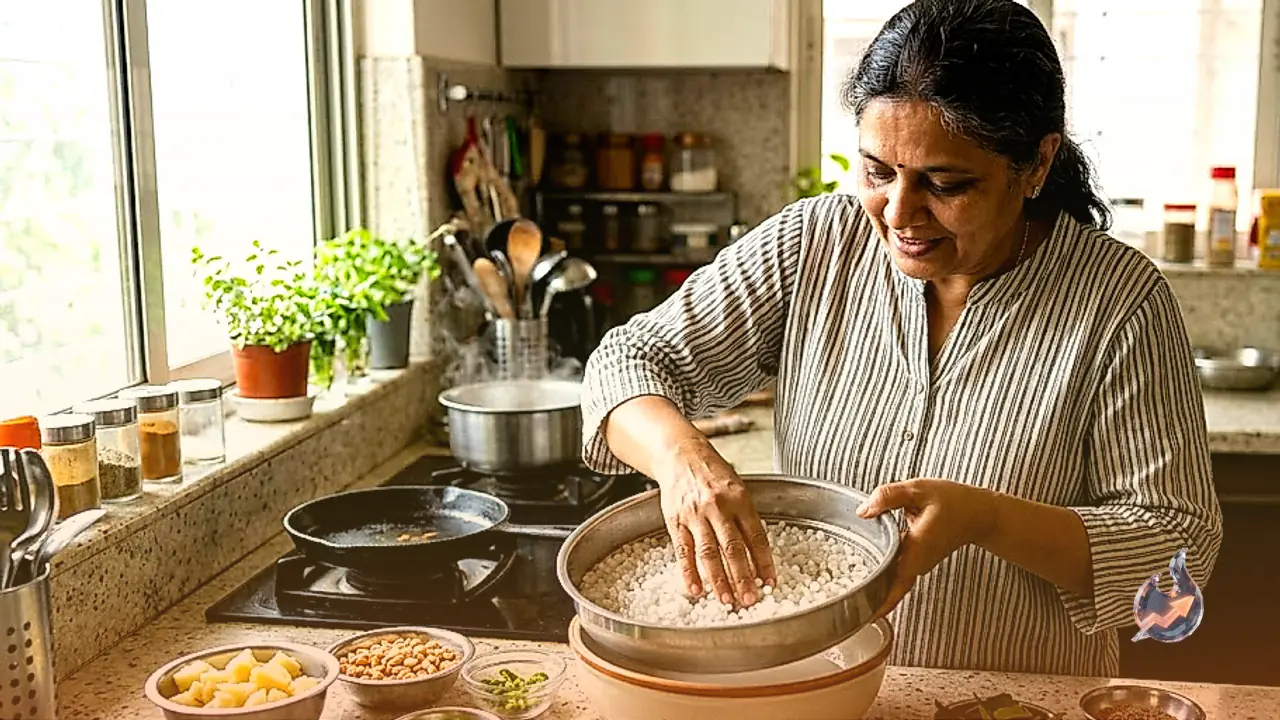
The journey toward non-sticky sago pearls begins long before the frying pan is placed on the burner. First, place 1 cup of tapioca pearls into a colander or bowl and rinse them carefully with clean water 2 to 3 times. Washing removes the loose exterior starch that causes the pearls to gel into a clump when heated.
Once rinsed, transfer the sago to a bowl and add just enough water so that all grains are completely submerged. Avoid flooding the bowl, as excess moisture will make the pearls mushy. Cover the vessel and allow it to rest for 5 to 6 hours or overnight. To test if the sago is ready, press a pearl between your thumb and forefinger. If it crushes easily without leaving a hard center while remaining distinct from other grains, it is fully hydrated and ready for cooking.
Prep Work Before Heating the Pan
After the soaking phase, take 1/2 cup of roasted peanuts and grind them coarsely using a mortar and pestle or a blender pulse. Keep the peanuts rough rather than turning them into a fine powder, as coarse peanut bits absorb lingering surface moisture and contribute a satisfying crunchy contrast to the soft sago. At the same time, dice the 2 medium boiled potatoes into small, uniform cubes.
Cooking Technique and Sautéing Steps
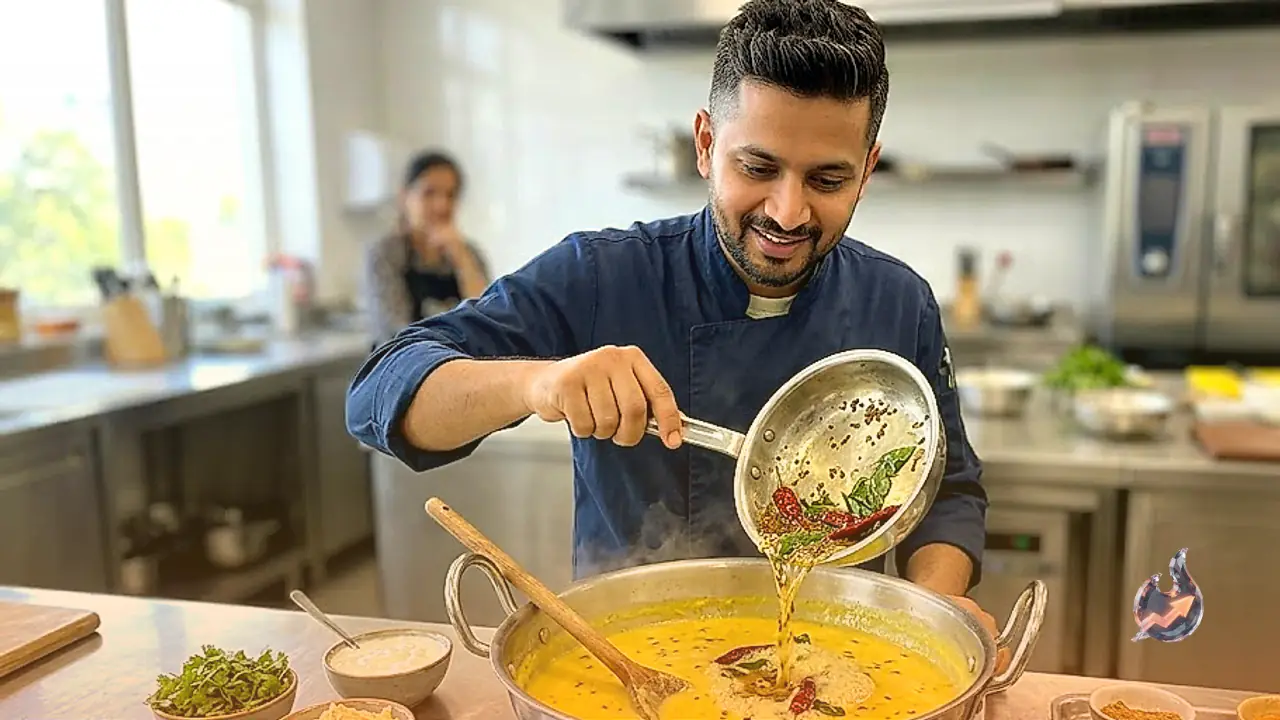
Heat 1 tablespoon of ghee or oil in a wide pan or wok set over medium heat. Introduce 1 teaspoon of cumin seeds and allow them to crackle. Follow immediately with the curry leaves and 2 finely chopped green chillies, sautéing them for a few seconds until fragrant. Next, throw in the boiled potato cubes and fry them gently until they develop a crisp, light golden crust.
Slide the hydrated sago pearls into the pan, followed by the coarsely ground peanuts and your choice of salt to taste. Stir the contents with a soft spatula using minimal force. Stirring continuously or vigorously will rupture the softened pearls and release residual starch, making the dish sticky. Keep the flame low to medium and toss gently.
Finishing Touch and Serving Ideas
Cook the dish for roughly 3 to 4 minutes. You will know the khichdi is perfectly done when the white pearls turn translucent and soft to the touch. Avoid cooking beyond this point, as heat hardens tapioca into a chewy texture.
Turn off the heat, squeeze the juice of 1/2 a lemon over the top, and sprinkle fresh coriander leaves generously over the pan. Give it one final light toss. Serve this aromatic, non-sticky Sabudana Khichdi hot alongside a bowl of fresh curd to double the eating enjoyment. Following these simple steps guarantees a perfect, grain-separated texture whether you are observing a fast or simply craving a healthy morning meal.