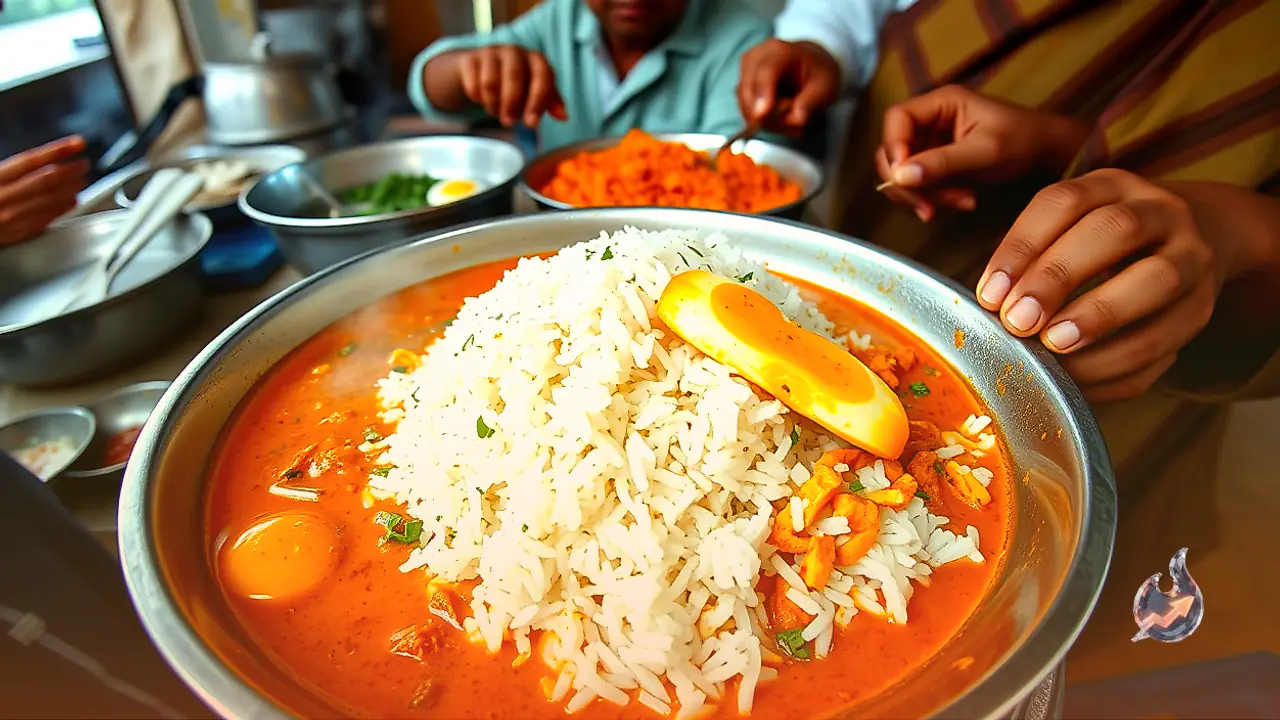




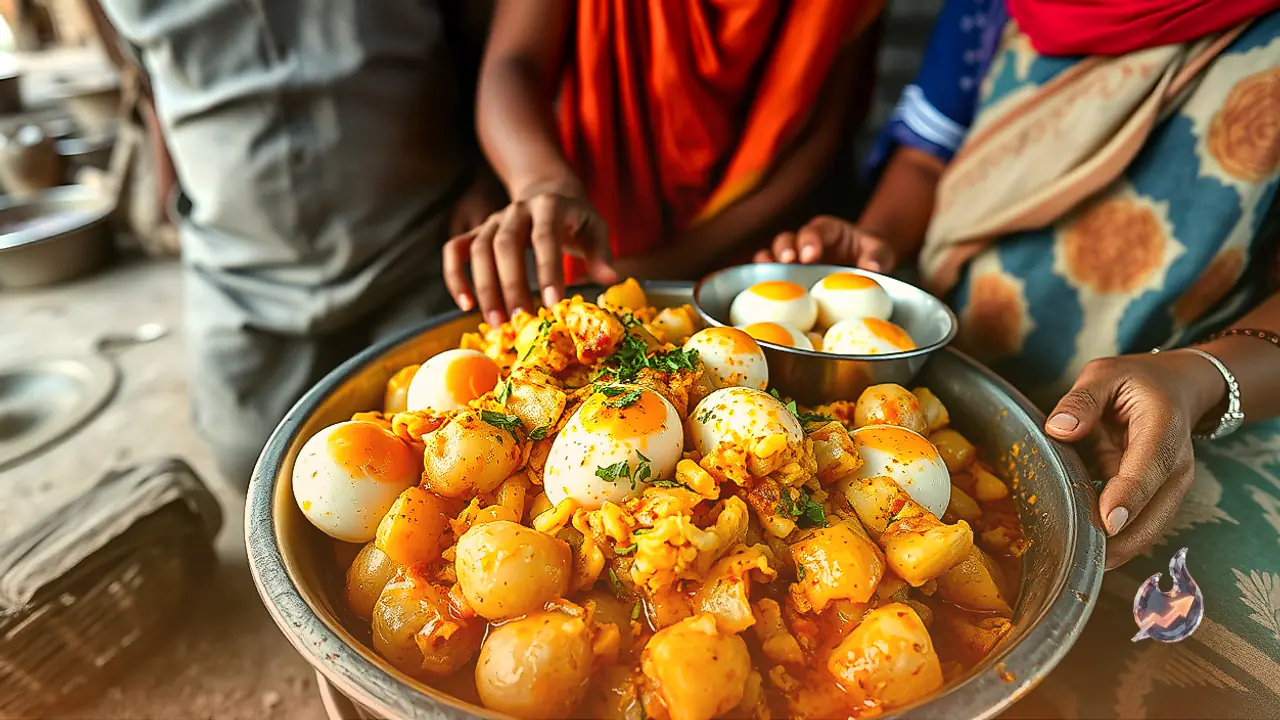


















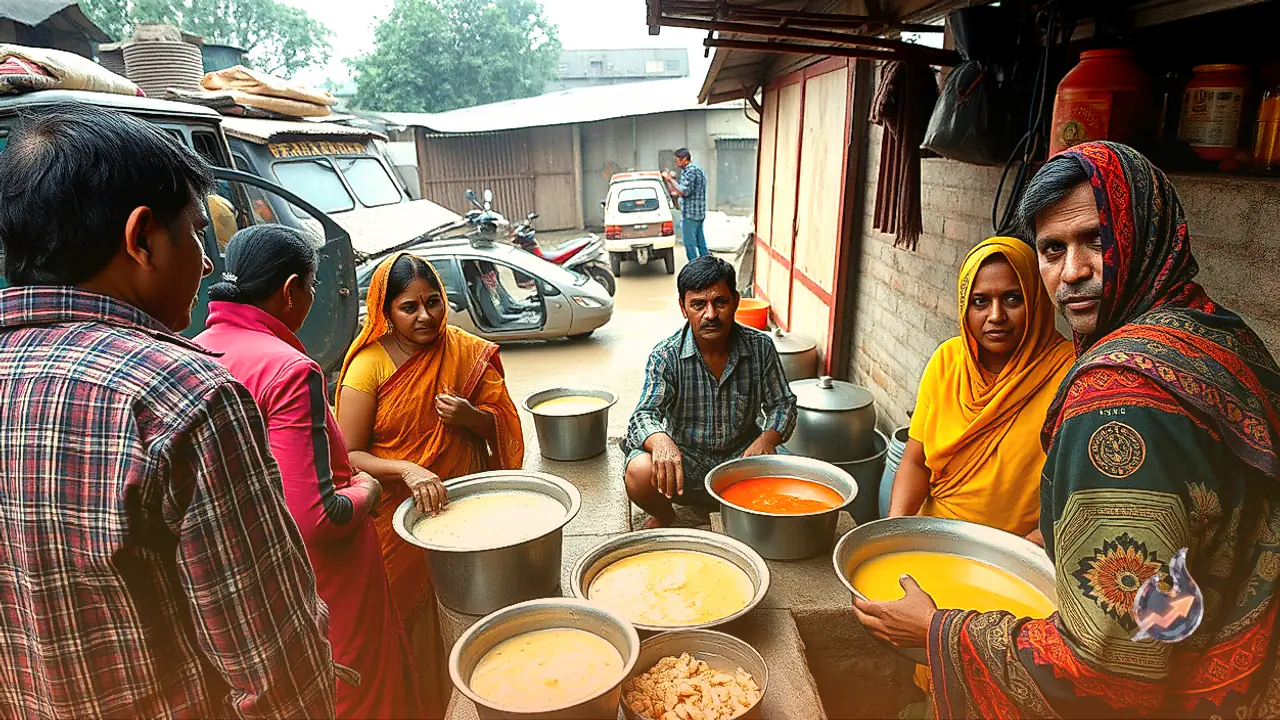

With the onset of the rainy season, culinary habits across households in the Nimad region undergo a delightful shift. The cool drizzle naturally stirs up a craving for warm, savory comfort foods, and among local residents, traditional kadhi pakoda quickly emerges as the top choice. Known for its distinct sweet and tangy balance and inviting aroma, this staple dish appeals equally to children and elders. Consequently, as overcast skies bring showers, kitchens across the region begin preparing this beloved comfort dish as a seasonal ritual.
Simple Pantry Ingredients Form the Flavorful Base
One of the defining aspects of this traditional recipe is that it demands minimal ingredients and zero culinary fuss. The entire dish comes together using everyday pantry items that are readily available in any standard kitchen. According to Phula Bai, the specialty of preparing kadhi pakoda lies in the fact that it does not require elaborate ingredients. It can be conveniently prepared using easily accessible staples such as curd, gram flour, cumin, cooking oil, salt, and chili. The cooking method itself remains grounded in authentic home-style techniques.
The process starts with whisking curd and gram flour together into a smooth, lump-free batter. Once this base mixture achieves the right consistency, regional spices are incorporated according to taste, and the liquid is brought to a gentle simmer. The hallmark of a well-cooked kadhi lies entirely in the precise equilibrium maintained between its natural tanginess and the warmth of the added spices, giving the gravy its characteristic depth.
Soft Fritters and Warm Household Gatherings
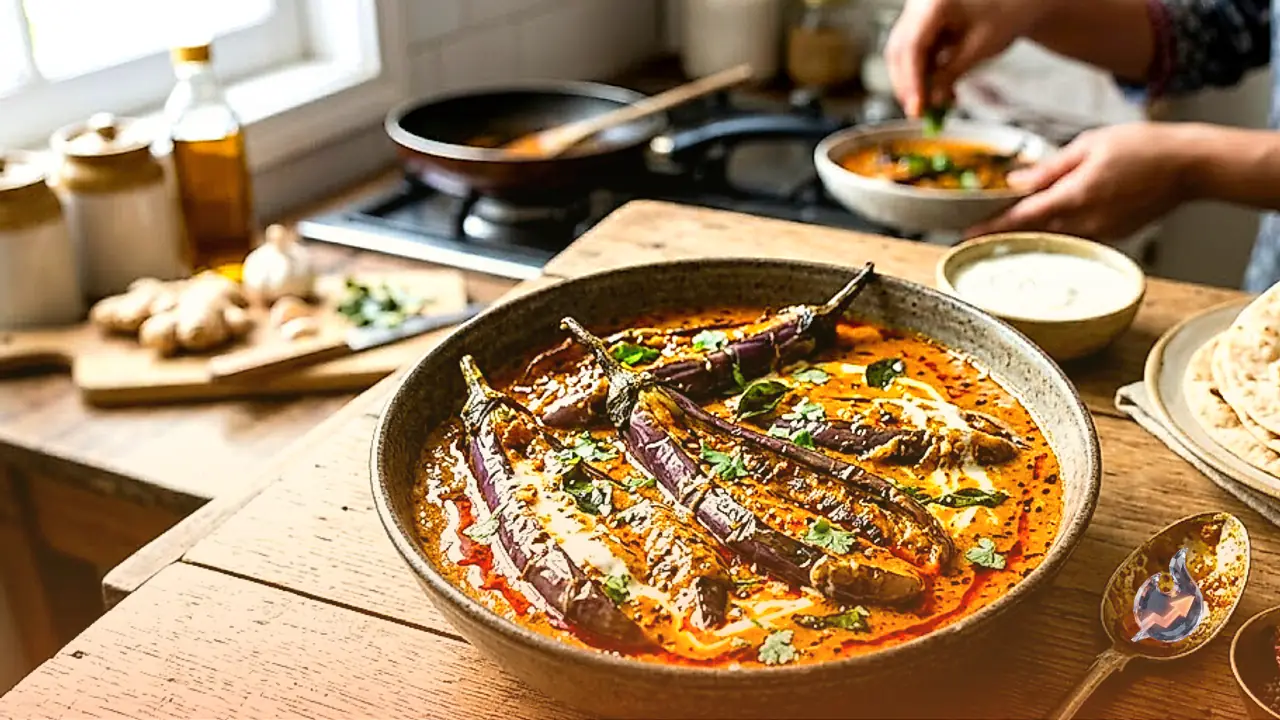
The culinary magic peaks when freshly fried gram flour dumplings are introduced into the simmering pot. Adding these fritters directly into the hot, flavorful gravy elevates the texture significantly. As they rest in the warm curry, the soft dumplings absorb the spiced tang completely, turning melt-in-the-mouth tender. The dish is traditionally served alongside steamed rice or fresh flatbreads. In numerous homes, it takes center stage during midday lunch, while in others, family members gather together specifically during pleasant rainy afternoons to enjoy it as a communal meal.
An Enduring Element of Regional Heritage
The cultural food identity of the Nimad region has always maintained an intimate relationship with nature and changing seasons. Dishes prepared according to prevailing weather conditions are deeply embedded in daily community life. Kadhi pakoda stands out as a prime example of an offering that pairs effortless preparation with memorable depth of flavor. Sitting down to a steaming bowl of homemade kadhi pakoda during a monsoon shower provides unmatched comfort. Driven by its sweet and tangy profile, uncomplicated recipe, and authentic rural charm, the dish remains a seasonal fixture whose memory revives the moment the rains arrive.