

















Across the diverse culinary landscape of India, very few street foods command the widespread affection and loyalty enjoyed by this crisp, hollow sphere filled with spiced water. Yet, as one travels across state boundaries, this beloved snack sheds its familiar labels and takes on entirely distinct regional identities. From the bustling avenues of northern plains to the coastal stretches of the east and south, local communities have embraced the dish under names ranging from golgappe and pani puri to puchka and gupchup. Alongside these regional titles, the core recipe undergoes remarkable adaptations, with vendors adjusting the fillings, spices, and flavoured waters to suit the native palate of each area.
Northern Belts Celebrate the Classic Golgappe
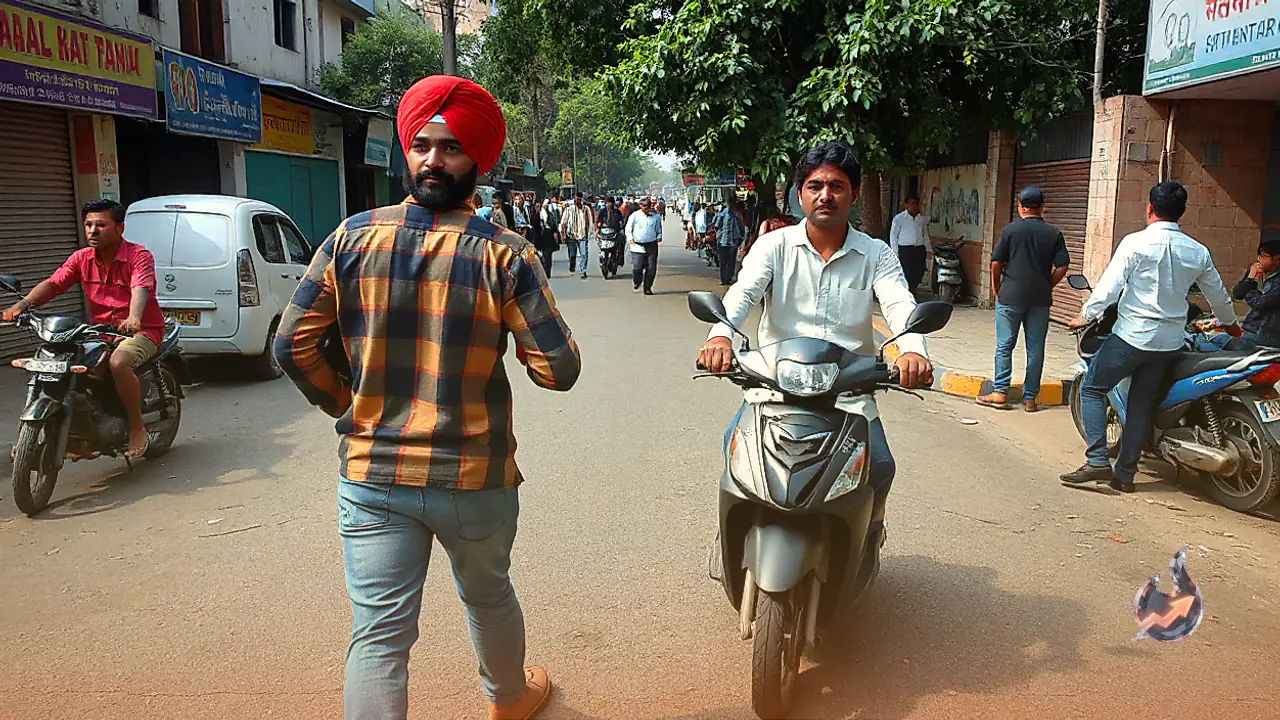
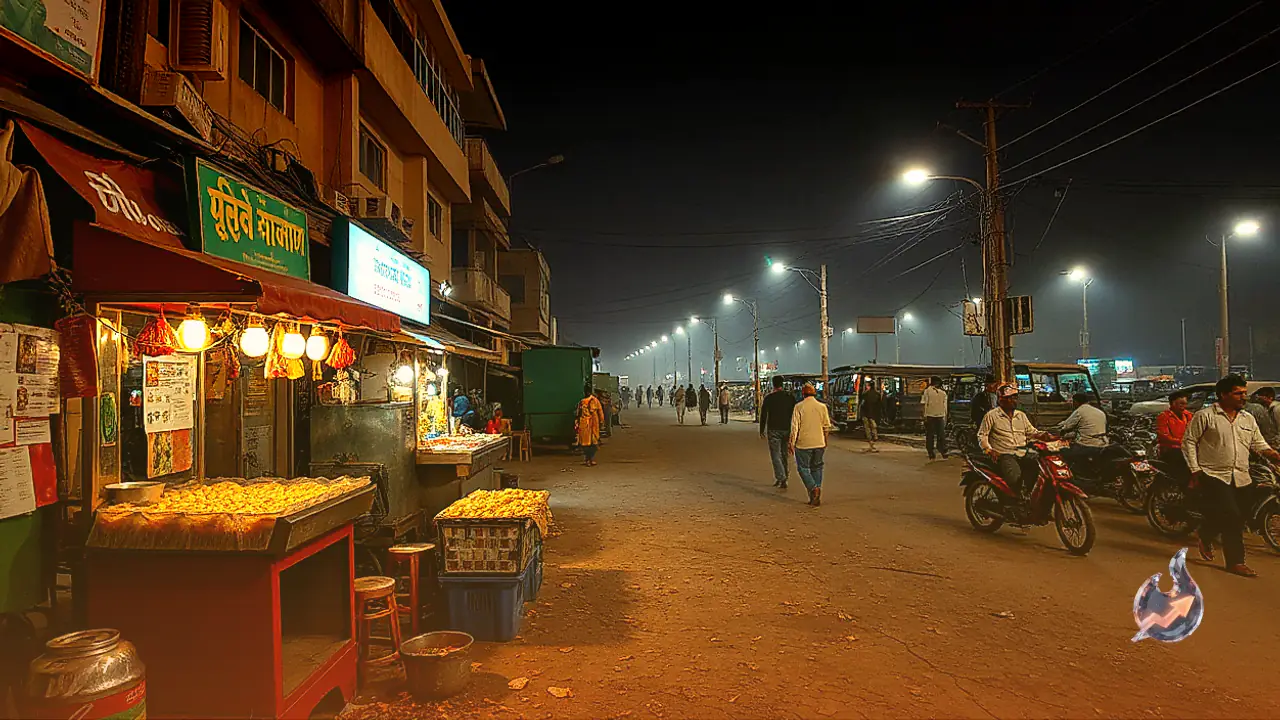
In northern states comprising Delhi, Uttar Pradesh, Haryana, and Punjab, the delicacy is widely recognized as golgappe. The preparation in this region traditionally features a crispy, hollow puri made from wheat flour or semolina, stuffed with a seasoned mixture of boiled potatoes and boiled chickpeas. Vendors then pour a generous ladle of tangy mint water or sweet tamarind chutney based on the preference of the customer. Along the bustling street corners of Delhi, vendors operate lively pushcarts where patrons gather in crowds to sample a balance of spicy, sour, and sweet waters customized to their personal taste.
Maharashtra and Gujarat Embrace Pani Puri
Heading into western India, the dish goes predominantly by the moniker pani puri. In Maharashtra, particularly along the crowded streets and beaches of Mumbai, pani puri remains a cultural staple. A key distinction in the Mumbai preparation is the frequent use of ragda, a warm curry made of white peas, alongside or in place of cold spiced potatoes. The accompanying water is vigorously infused with fresh mint leaves, coriander, green chilies, tamarind pulp, and an array of roasted spice blends. In neighboring Gujarat, pani puri enjoys massive popularity across markets and neighborhoods. Food lovers in Gujarat routinely savor the crunchy puris stuffed with spiced potatoes and paired with sweet-and-sour water, sweet chutneys, and specialised spice toppings that elevate the overall profile.
The Tangy and Fiery Puchka of West Bengal
Crossing into West Bengal, the snack takes on the name puchka, with Kolkata serving as the undisputed center of its fame. The Bengali puchka distinguishes itself through both its texture and intensity of flavour. The hollow puris are exceptionally crisp and typically packed with a fiery mixture of boiled potatoes, black salt, crushed green chilies, and regional spices. Unlike many northern variations, the water used in Kolkata relies heavily on concentrated tamarind water, giving it an intensely sour and spicy kick that sets it apart from standard preparations. The eating experience in Bengal also maintains a rhythm of its own, with vendors swiftly serving consecutive puchkas into small leaf cups as patrons eat.
Gupchup Dominates Bihar, Jharkhand, and Odisha
In multiple regions of Bihar and Jharkhand, local residents refer to the dish as gupchup. While the moniker sounds entirely distinct to visitors, the essential assembly mirrors the broader family of this street food. The crispy puri is filled with seasoned potato mixtures and immersed in savory water, with local vendors varying the level of chili and filling components from district to district. Similarly, across Odisha, the delicacy is ubiquitously called gupchup and ranks among the state's most sought-after street snacks. Pushcarts selling gupchup are a regular sight throughout markets and neighborhood roads in Odisha, where families and groups of friends gather routinely to enjoy its sharp and savory seasoning.
Evolving Palates in Southern Cities
In urban centers across southern India, the snack is broadly identified as pani puri. Local vendors adjust the recipe to mirror the dietary habits of southern communities, leading to distinctive tweaks in fillings and stocks. In certain markets, residents demonstrate a preference for milder fillings accompanied by sweet date and tamarind chutneys, while other quarters favor bold, pungent waters prepared with generous amounts of green chilies, pepper, and tangy extracts.