























Preparations for cleaning, decorating, and crafting festive treats gain full momentum across households as Diwali draws near. Traditional sweets remain central to the spirit of the festival of lights, serving as a customary greeting for arriving guests and family gatherings. While ready-made sweets flood the retail shelves during the festive rush, making them from scratch in one's own kitchen ensures freshness, purity, and wholesome taste. A classic batch of besan laddus stands out as an enduring Indian confection loved equally by children and adults. Using common pantry ingredients, an uncomplicated method, and a clever moisture technique, home cooks can elevate festive celebrations without turning to store bought sweets.
One common complaint when making gram flour laddus at home is that they often turn pasty, sticking to the palate, or lack the coarse, mouth melting bite found in traditional sweet shops. The secret to achieving that authentic grainy crumb lies in the careful roasting of the flour paired with a quick splash of water droplets. According to Radhika Prajapati, a homemaker based in Koderma, crafting sweet shop quality laddus demands no specialty equipment or lengthy grocery runs, relying instead on basic ingredients already present in the kitchen.
Essential Ingredients for the Recipe
This festive sweet comes together using simple measurements that do not complicate kitchen prep. The exact ingredients required for the preparation include
- Gram Flour (Besan): One bowl of standard besan
- Clarified Butter (Ghee): One and a half to two spoons of pure ghee
- Powdered Sugar: Half a bowl of finely ground sugar
- Semolina (Suji): One spoon of semolina to aid the texture
- Cardamom: Two to three green cardamoms ground into powder
- Water: A small amount kept on hand solely for light splashing
Roasting the Gram Flour and Semolina to Perfection
The preparation begins by placing a heavy bottom pan or kadhai over the stove. Add one and a half to two spoons of ghee and allow it to melt over medium heat. Once the ghee warms up, tip in the one bowl of gram flour. Lower the flame to a steady low to medium setting and start stirring the gram flour continuously using a spatula. Constant stirring is critical throughout this phase, as untended gram flour quickly catches at the base of the pan and burns, leaving behind a bitter aftertaste.
After stirring and roasting the gram flour for a brief spell, incorporate one spoon of semolina into the pan. Mix the semolina thoroughly into the roasting flour. The inclusion of semolina creates a subtle structural difference, supporting a firmer crumb. Keep stirring and cooking the mixture on low heat until the raw scent of the gram flour begins to dissipate.
The Water Splash Trick for a Coarse Grainy Texture
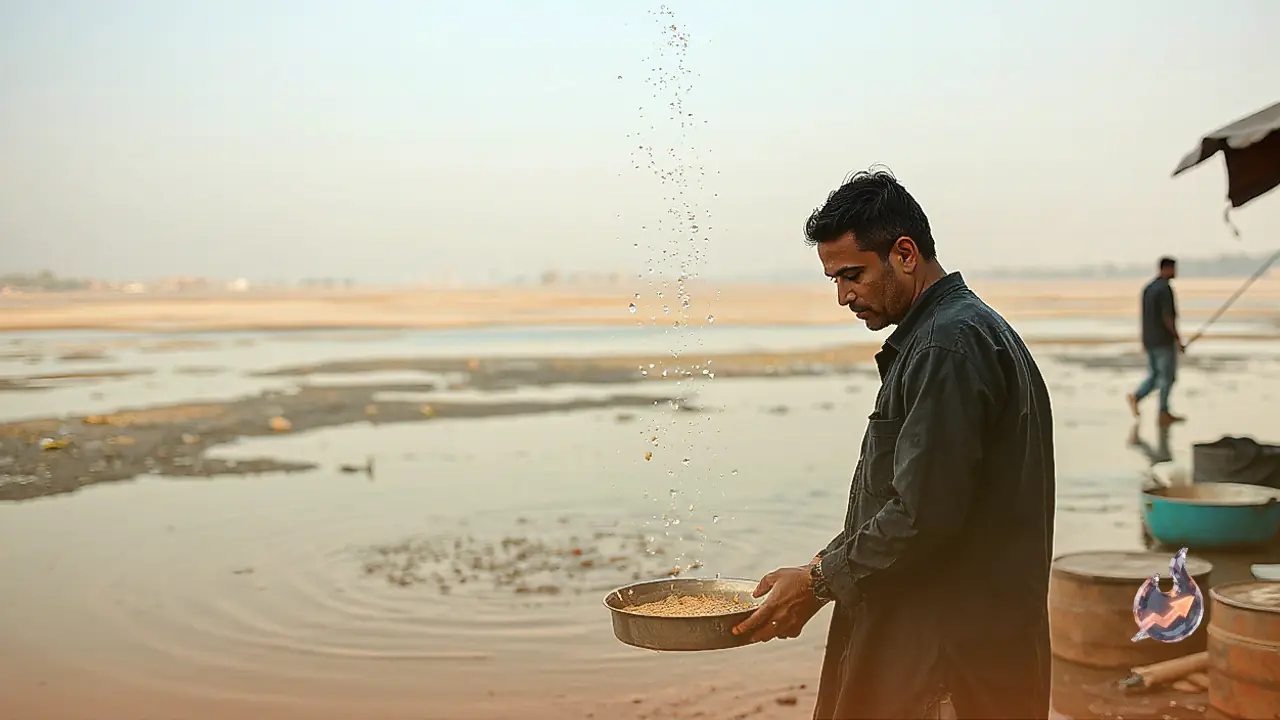
At this stage comes the defining step that replicates sweet shop graininess without needing coarse milled flour. While the flour is actively roasting in the pan, scoop a small splash of water into the palm of your hand and sprinkle it lightly across the hot flour. Water must never be poured all at once or in a direct stream, as that would ruin the mix. A gentle sprinkle causes the hot fat and flour to froth instantly, clustering the fine powder into microscopic grains.
Stir vigorously right after sprinkling to disperse the newly formed grains evenly throughout the mixture. Continue roasting over low heat until the mixture turns a rich, light golden hue and releases a nutty aroma that fills the kitchen. Once the desired color and scent develop, turn off the stove completely. Move the hot roasted mix away from the heat source and let it sit at room temperature until it cools down sufficiently.
Balancing Sugar, Cardamom, and Extra Ghee for Rolling
Once the roasted flour blend is barely warm or cool to the touch, mix in the half bowl of powdered sugar along with the freshly crushed powder of two to three green cardamoms. Adding sugar into scalding hot flour must always be avoided, as heat melts the sugar grains into a runny syrup that ruins the firmness needed for rolling. Rub the mixture between both palms to distribute the sugar and cardamom aroma thoroughly.
Check the consistency of the combined blend. If the mix feels excessively dry or crumbly and struggles to hold a shape, drizzle in small spoonfuls of melted ghee as needed until the crumbs bind cleanly. Take small portions into your palms and roll them smoothly between your hands into round balls. Once all the laddus are shaped, let them rest in the open air for a little while so they firm up properly. Finally, store the finished treats inside an airtight container. Homemade grainy besan laddus are then ready to be enjoyed throughout the festive period.