
























In 2026, telling customers your brand cares about the planet is not enough, you have to prove it. Green marketing is the practice of promoting products and services based on their genuine environmental benefits rather than surface-level claims. Indian consumers and businesses alike now expect brands to act responsibly across sourcing, production, packaging and how they communicate their efforts. This guide breaks down what green marketing really means, why it has become unavoidable this year, the strategies that actually work, and how to put together a practical plan for your business.
What Green Marketing Actually Means
Green marketing is about promoting a business, its products and its services based on their real environmental benefits. The focus is on reducing harm to the environment and using resources more responsibly, whether that means lower emissions, less waste, better energy efficiency or more sustainable sourcing.
It does not stop at advertising. Green marketing covers the full lifecycle of what a business offers, including:
- Product design that uses fewer or safer materials
- Packaging that cuts down on plastic or supports recycling
- Production processes that save energy or water
- Honest, clear communication about sustainability efforts
The goal is to make sure what a brand says lines up with what it actually does. When green marketing is practised correctly, it helps customers make informed choices while also improving a company's long-term environmental and business performance.
Why It Has Become Unavoidable In 2026
Green marketing matters in 2026 because environmental awareness has shifted from a nice-to-have to a baseline expectation. Indian consumers now ask harder questions about how brands source materials, manage waste and cut emissions. They reward businesses that show consistent, real effort rather than businesses that simply talk about it.
Regulation is playing a bigger role too. Tighter rules around plastic use, emissions, and environmental, social and governance reporting are pushing companies to act responsibly and to communicate those actions clearly. Green marketing helps a business stay compliant while also showing customers it takes sustainability seriously.
Customer preferences keep shifting as well. Many buyers now favour brands that reflect their own values and contribute positively to society. Adopting green marketing keeps a business competitive, builds long-term trust, and creates a deeper, value-driven relationship with customers that goes beyond price and convenience.
Green marketing only works when the environmental claims behind it are genuine. Exaggerated or unproven claims, known as greenwashing, can damage a brand's credibility and invite regulatory action.
The Real Business Benefits
- Builds consumer trust through responsible practices: When sustainability claims clearly reflect what a business actually does, customers begin to trust the brand. That trust makes them feel confident their purchase supports responsible and ethical business practices.
- Attracts environmentally conscious audiences: Clear, honest sustainability efforts help a business connect with customers who actively look for eco-friendly products and services. These buyers favour brands that show genuine concern for the environment, not just promotional messaging.
- Supports higher customer loyalty and repeat purchases: Customers are more likely to stay loyal to brands that share their values. When a business consistently acts on its sustainability commitments, customers return because they feel aligned with its purpose.
- Encourages innovation in products and operations: A focus on sustainability pushes businesses to rethink product design, materials and processes, which often leads to smarter operations, improved efficiency and long-term cost savings.
- Helps meet environmental regulatory requirements: When green marketing is backed by real environmental practices, it becomes easier to comply with evolving environmental laws and reporting standards, reducing regulatory risk over time.
Strategies That Work In 2026
Sustainable Product And Packaging Design
Product and packaging choices form the base of any green marketing effort, because customers notice both what a business makes and how it delivers it.
- Use recycled, recyclable or biodegradable materials wherever possible
- Reduce excess packaging and optimise size to cut waste and transport impact
- Highlight improvements across the product lifecycle, such as lower energy use or longer durability
Transparent Communication And Education
A YouGov study found that 71% of Indian consumers say they have encountered greenwashing, which shows how fragile customer trust really is. Honest communication builds trust and protects a brand from greenwashing risk.
- Share clear, specific information about environmental impact and improvements
- Use blogs, videos and FAQs to educate customers about sustainability efforts
- Avoid vague claims or overstatements that could come across as misleading
Eco-Focused Branding And Messaging
A brand's voice should reflect its sustainability values consistently.
- Align brand messaging with responsible and ethical practices
- Include sustainability themes across advertising and campaigns
- Tell simple, relatable stories that resonate with eco-minded audiences
Community Engagement And Collaboration
Green marketing works better when customers feel genuinely involved.
- Partner with credible environmental initiatives or local organisations
- Encourage customers to take part in recycling or conservation efforts
- Run campaigns or events that promote environmental awareness
Digital-First, Environmentally Friendly Promotion
Digital channels help cut down resource use while still improving reach.
- Shift to digital marketing to minimise paper-based promotions
- Track engagement data to improve the effectiveness of eco-messaging
- Use social platforms to run focused, measurable green campaigns
What Green Marketing Looks Like In Practice
- Using compostable packaging: Many brands are replacing traditional plastic packaging with compostable or paper-based alternatives, cutting down landfill waste and plastic pollution while appealing to customers who actively look for responsible packaging.
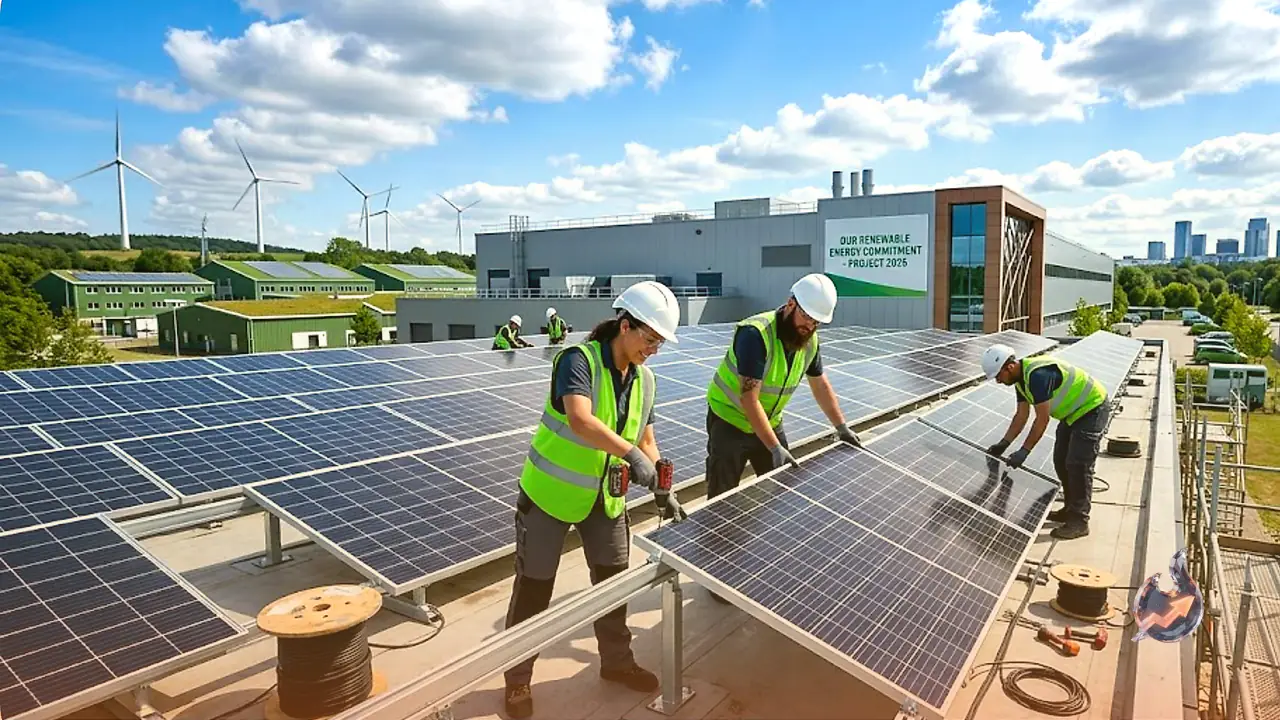
- Switching to solar-powered operations: Companies are installing rooftop solar panels or sourcing electricity from renewable energy providers, which reduces dependence on fossil fuels, cuts carbon emissions linked to power use, and lowers energy costs over the long term.
- Publishing transparent sustainability reports: Businesses now share clear, measurable data on emissions, water usage and waste reduction, which helps customers understand a brand's actual environmental impact and builds credibility.
- Redesigning products for recyclability: Products are being redesigned using fewer types of materials and simpler construction, which makes it easier for recycling facilities to separate and process materials properly. As a result, more of a product gets recycled instead of ending up in a landfill, and the product stays useful for longer.
The Challenges Brands Run Into
- Cost of sustainable materials and processes: Eco-friendly raw materials, renewable energy and cleaner production technologies often carry higher upfront costs, which can squeeze short-term margins, especially for businesses working with tight budgets, even though the investment can pay off over time.
- Complexity in verifying environmental claims: Accurately measuring emissions, waste reduction or product lifecycle impact requires reliable data, internal tracking systems and, sometimes, third-party audits. Many businesses struggle with this level of measurement and documentation.
- Risk of customer skepticism: Today's consumers scrutinise sustainability claims far more critically. If messaging lacks clarity, data or proof, customers may doubt a brand's intent and view its efforts as greenwashing.
- Operational adjustments needed for the eco-transition: Moving toward greener practices often demands changes across sourcing, manufacturing, logistics and internal workflows, adjustments that take time, training and coordination across teams.
A Five-Step Plan To Build Your Green Marketing Strategy For 2026
- Define environmental objectives and metrics: Start by setting clear, achievable goals, such as reducing waste, lowering energy consumption or improving recyclability, and decide upfront how progress will be measured so the effort stays trackable and accountable.
- Assess current operations and product lifecycle impacts: Review sourcing, manufacturing, packaging and distribution processes to identify where the business creates the highest environmental impact, which helps prioritise the changes that matter most.
- Implement sustainable changes in products and processes: Introduce practical improvements that reduce resource use, emissions or waste without disrupting core operations, focusing on changes that are scalable and realistic for the business.
- Develop transparent communication and eco-messaging: Explain what actions are being taken, why they matter, and where improvements are still in progress, using simple, honest language to avoid confusion or exaggerated claims.
- Monitor customer feedback and sustainability performance: Track customer responses alongside environmental data regularly, and use those insights to refine the strategy and strengthen both impact and credibility over time.
How Payment Platforms Like Razorpay Fit In
Payment platforms such as Razorpay are also helping businesses cut down on paper-heavy processes.
- Unified payment acceptance: Razorpay lets businesses accept payments through cards, UPI, net banking and wallets on a single platform, reducing dependence on cash-based or paper-heavy processes.
- Automated invoicing and digital records: Digital invoices and automated reconciliation cut down on printed bills while keeping accurate, audit-ready records.
- Dashboard insights for sales and sustainability tracking: Centralised dashboards give businesses visibility into transactions and trends, helping them track growth while supporting data-driven sustainability goals.
- Eco-friendly payment links replacing paper billing: Payment links and digital checkout flows replace physical invoices, making collections faster, cleaner and more environmentally responsible.
The Bottom Line
In 2026, green marketing is no longer optional for brands that want to stay relevant and trusted. Customers expect genuine action, not surface-level claims. Authentic green marketing starts with responsible product design, efficient operations and honest communication. Transparency builds credibility, while continuous innovation helps reduce environmental impact over time. Alongside these efforts, smart digital tools like Razorpay support sustainable growth by cutting paper use, improving efficiency and enabling cleaner financial workflows. When a brand's sustainability actions line up with its messaging, green marketing stops being a short-term trend and becomes a long-term business advantage.