




















Sustainable rural transformation occurs when basic community welfare converges with progressive technology, structured learning, and sustainable economic opportunities. When children in remote hamlets gain access to experiential classrooms, aspiring engineers from low-income households prepare for competitive exams with rigorous mentoring, rural youth acquire market-ready vocational skills, and women evolve into independent business owners, systemic change begins to take root. Hindustan Zinc has built its community development architecture precisely around these fundamental rural aspirations. During financial year 2025-26, these integrated corporate social responsibility initiatives positively impacted more than 2.6 million lives across upwards of 4,100 villages. Rather than confining interventions to a single domain, this multi-faceted model delivers synchronized interventions spanning foundational schooling, advanced STEM learning, technical skilling, women entrepreneurship, primary healthcare, potable drinking water, competitive sports, and sustainable rural infrastructure.
Modernizing Early Childcare Through Nand Ghar Facilities
A resilient social foundation begins with proper maternal healthcare and foundational early learning. Through the Nand Ghar initiative, traditional village Anganwadi centers are systematically upgraded into modern, safe, and child-friendly spaces. These specialized centers combine early childhood education with daily nutritional support and routine health checks. Concurrently, they function as vital resource spaces for rural mothers, offering essential healthcare guidance and capacity-building avenues. A cumulative footprint of 4,679 Nand Ghar centers has been developed, establishing structured hubs for early childhood care and maternal wellness across rural communities.
Infusing Advanced Tech Into Government Classrooms: AI, AR, and VR Labs
In the academic sector, the Shiksha Sambal program focuses directly on enhancing learning outcomes for students enrolled in state-run schools. Subjects such as science, English, and mathematics often pose significant conceptual hurdles for rural pupils; the initiative addresses this through activity-based teaching models and practical learning modules designed to build lasting subject confidence. Elevating these institutions into modern learning centers, 4 AI-enabled STEM laboratories equipped with augmented reality and virtual reality tools have been operationalized in government schools. During financial year 2025-26, the Shiksha Sambal initiative successfully delivered academic support to over 13,000 students across more than 76 government institutions.
Unchi Udaan: Preparing Rural Aspirants for IIT-JEE
Financial constraints often deter exceptionally bright students in remote regions from pursuing premier engineering careers due to the steep cost of competitive entrance coaching. The Unchi Udaan program bridges this disparity by identifying talented youngsters from economically disadvantaged backgrounds and extending comprehensive coaching, mentorship, and residential backing over multiple years. This focused preparation enables promising students from underserved localities to compete effectively for admission into the Indian Institutes of Technology and other premier national engineering academies.
Samadhan Program: Advancing Productivity Across 33,000 Farming Households
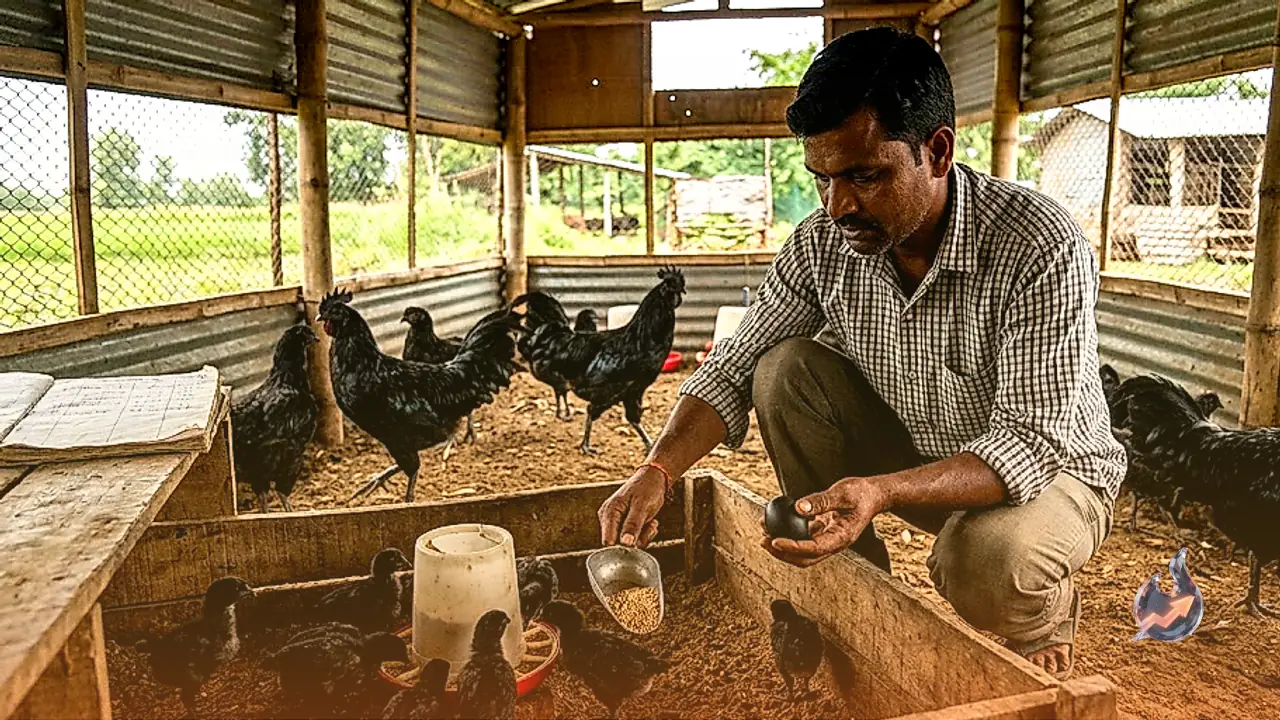
To revitalize rural agriculture and animal husbandry, the organization executes the Samadhan agricultural program. The initiative introduces smallholders to modern agronomic methods, climate-resilient farming techniques, and scientific livestock management, thereby enhancing yield potential while conserving natural soil and water resources. In financial year 2025-26, the program supported more than 33,000 farming families in Rajasthan, extending modern agricultural practices across approximately 5,500 acres of cultivable land.
Zinc Kaushal: Vocational Training and 83 Percent Placement Success
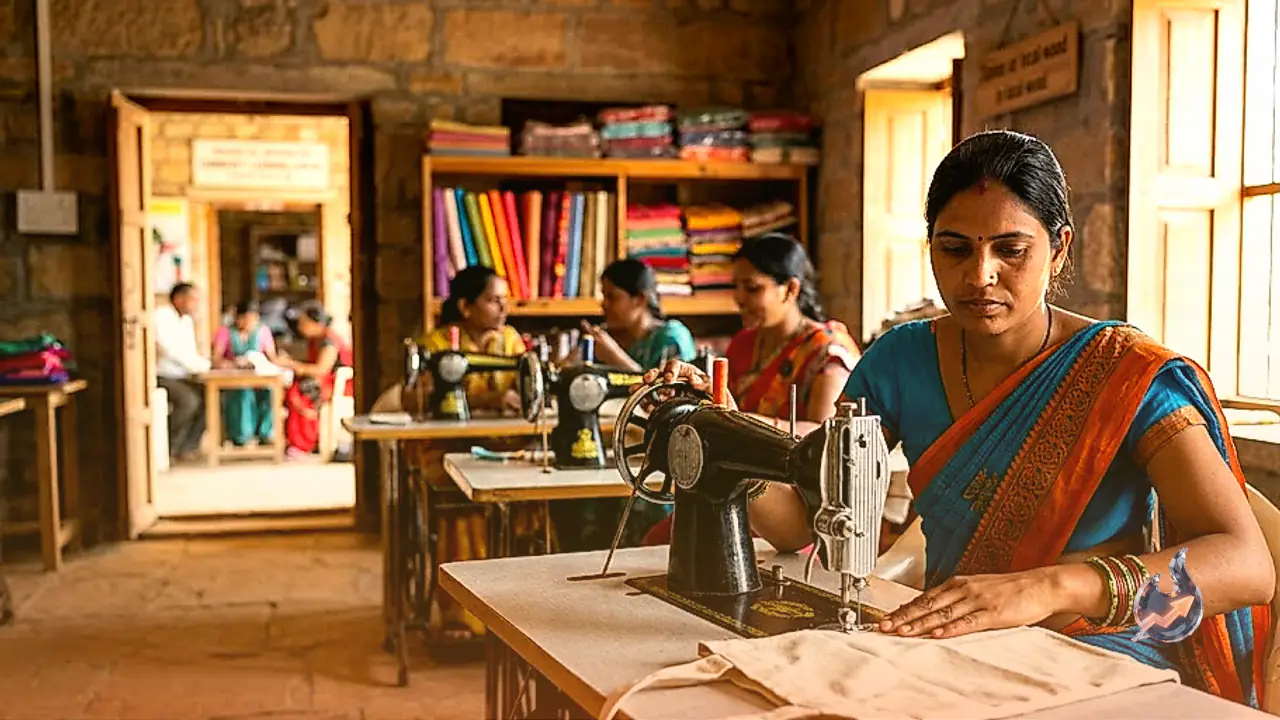
Bridging the transition from rural education to gainful employment, the Zinc Kaushal initiative trains local youth in vocational, technical, and professional disciplines aligned with dynamic industry requirements. Operating across Rajasthan and Uttarakhand, the skilling hubs have imparted career training to over 10,000 young individuals. A central highlight of the program is its tangible economic outcome, having secured a notable 83 percent job placement rate for trained candidates across varied formal sectors.
Sakhi Project: Empowering 25,000 Women and Scaling Rural Enterprises
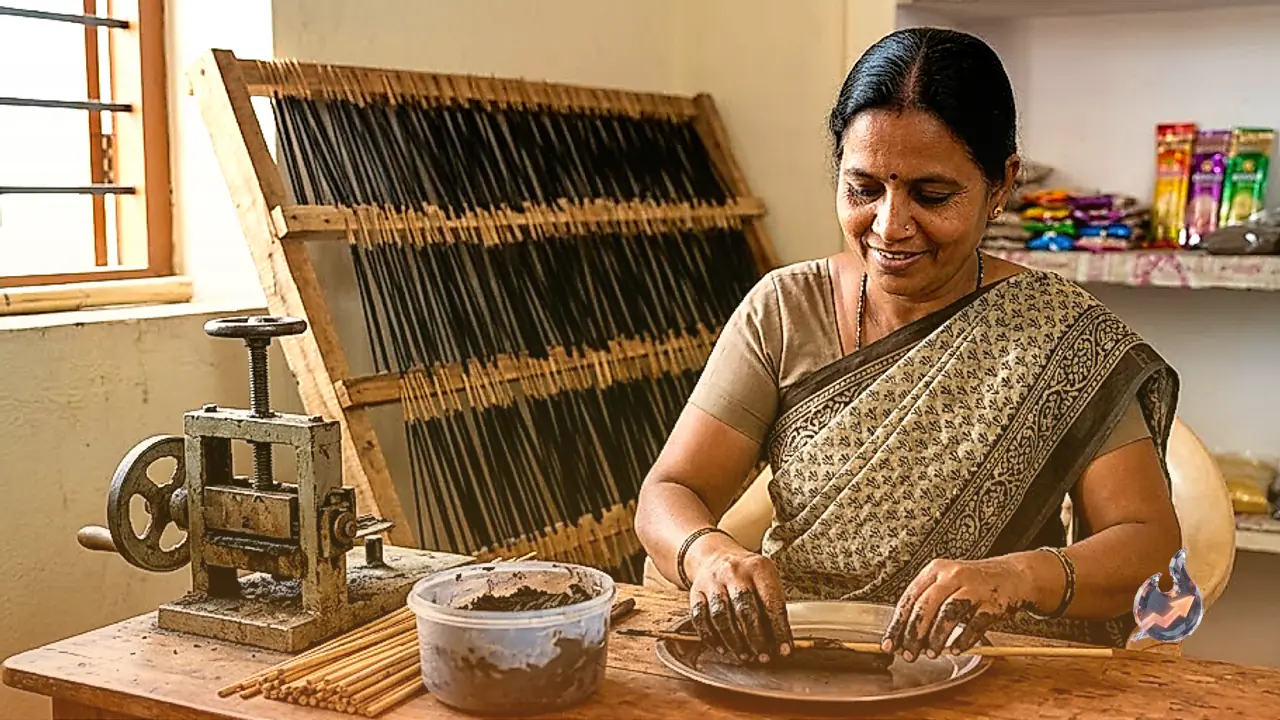
Lasting community prosperity is inextricably linked to women exercising economic independence and leadership. The Sakhi initiative mobilizes rural women into self-help groups, cultivating regular saving habits, facilitating micro-credit, and delivering entrepreneurship training. More than 25,000 women have been mobilized through these self-help groups. Strengthening their financial independence, approximately 6 crore rupees in capital has been mobilized for 2,000 group members via institutional credit linkages. Moving past introductory training, women have taken charge of commercial enterprises: 426 women are currently associated with 18 microenterprises and 5 farmer input outlets. In financial year 2025-26, these collective business ventures achieved an impressive combined revenue of 11.34 crore rupees.
Zinc Football Academy: Developing National-Level Sports Talent
In youth sports development, the Zinc Football Academy provides an integrated platform combining elite sports coaching with academic schooling and comprehensive personal grooming. Accredited as a 3-star academy by the All India Football Federation, the institution trains grassroots players capable of competing on elite platforms. Demonstrating the academy's competitive standard, player Sonam Ghosh earned selection to the India Under-17 national football squad. Furthermore, broad-based community sports tournaments and rural athletics initiatives reached 53,000 participants in financial year 2025-26.
Healthcare Delivery, Clean Water Systems, and Rural Infrastructure
Essential community welfare demands robust public health and civic amenities. Under the primary healthcare initiative, 5 mobile health vans conducted 2,530 outpatient sessions across 134 villages, delivering medical consultations to 72,628 patients during financial year 2025-26. Complementing mobile delivery, 6 operational hospitals treated 1.33 lakh individuals. Potable drinking water challenges were tackled through community reverse osmosis ATMs and dedicated water tankers. These automated water ATMs dispensed 11.13 million liters of safe drinking water, serving more than 58,000 residents across over 80 villages. In local infrastructure enhancement, 6 model schools were established, civil repair and expansion works were executed in 47 educational institutions, and 4 model villages were developed. Dedicated environment and public safety campaigns engaged 6.1 lakh community members. Advancing clean rural lighting, over 530 solar street and high-mast fixtures alongside more than 1,340 LED lights were installed across village streets.