



















A case of alleged consumer deception involving deeply discounted gold and silver ornaments has surfaced in the city of Surat, Gujarat. An inquiry was set in motion after a local resident purchased jewellery based on attractive social media promotions, only to discover through laboratory verification that the items contained far less precious metal than promised. According to the formal complaint, a ring marketed and billed as 9 carat white gold for ₹3,296 contained less than 1 percent gold during official testing. Furthermore, a waist ornament sold as 92.5 percent sterling silver for ₹92,700 was found to contain merely 51 percent silver purity. Local police have registered a complaint against the showroom manager and begun inspecting transaction records.
Social Media Advertisement Led Customer To Local Showroom
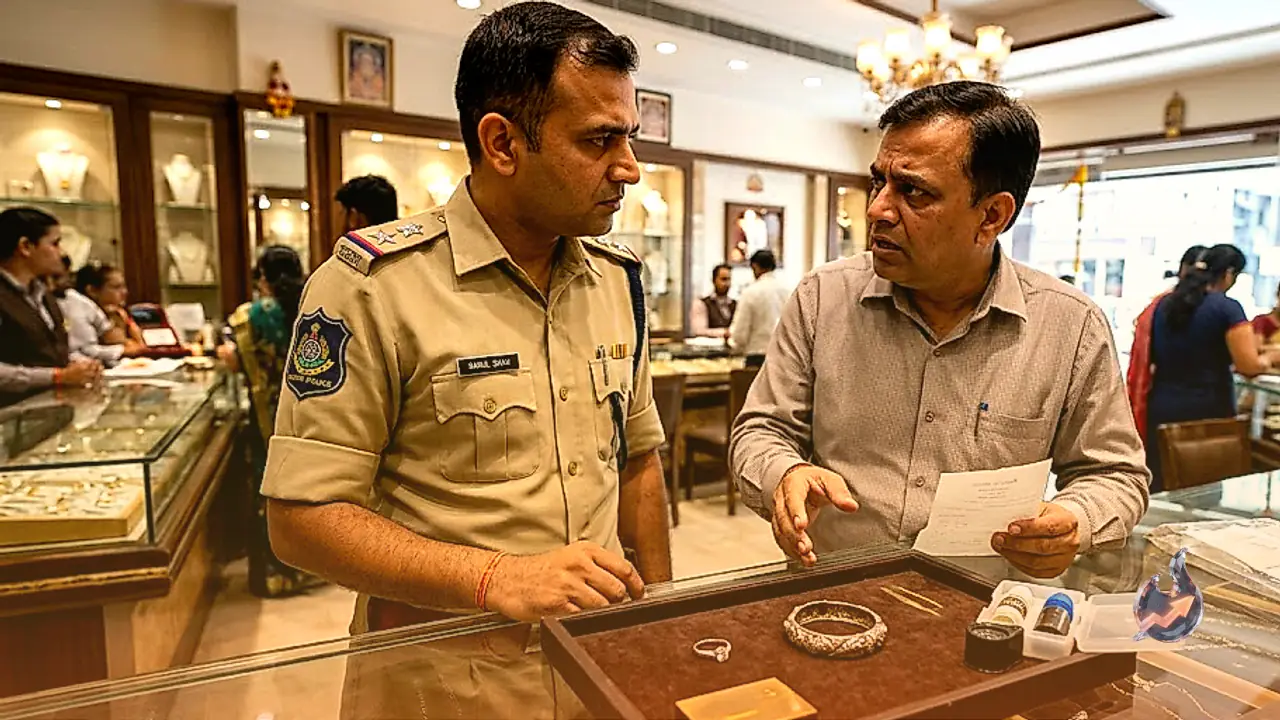
The sequence of events began when 19 year old Jasmine Kathiriya, a resident of the Varachha neighbourhood in Surat, came across promotional posts on social media offering 9 carat gold jewellery at remarkably low price points. Influenced by the promotional terms, she visited a retail outlet operating under the name Surat Gems and Jewellery in Surat. Store personnel presented a white coloured ring, explicitly assuring her that it was crafted from 9 carat white gold. The customer completed the purchase by paying ₹3,296. While the ornament possessed the physical sheen of precious metal upon purchase, lingering doubts about its composition prompted her to seek formal verification.
Testing At Authorised Hallmarking Facility Showed Minimal Gold
Driven by suspicion, the complainant submitted the purchased ring for detailed metallic assessment at an authorised hallmarking centre. The findings detailed in the police complaint indicate that the laboratory analysis detected less than 1 percent gold within the ring. The piece, which had been commercially presented as 9 carat white gold, essentially lacked the required metallic content corresponding to that purity grade. This stark discrepancy between the advertised specifications and the laboratory findings transformed the transaction into a serious legal dispute.
Discrepancies Uncovered In A Costly Silver Waist Ornament
Following the revelations regarding the ring, the buyer decided to test another expensive piece acquired from the same showroom. This ornament was a traditional waist chain, known locally as a kandhora, which had been sold under the assertion that it comprised 92.5 percent sterling silver. The customer had paid a substantial sum of ₹92,700 for this silver article. However, when tested at an authorised hallmarking facility, the analytical breakdown revealed only 51 percent silver content. The complainant alleged that the actual precious metal present in the item fell dramatically short of the 92.5 percent hallmark standard promised during the sale.
Verification Conducted Across Two Independent Testing Centres
To eliminate any ambiguity regarding test accuracy, the customer subjected the ornaments to assessment across two distinct authorised hallmarking centres. As noted in the complaint, documentation issued by both testing laboratories pointed to grave variances between the declared purity and the actual metal composition. The results indicated that substantial quantities of cheaper base metals had been incorporated into the items to imitate genuine gold and silver. Authorities have clarified that while these laboratory papers form the core of the complaint, final legal validation depends on the comprehensive findings of the ongoing police investigation.
Allegations Over Weighing Gemstones Along With Precious Metal
The complaint raises serious concerns not only regarding chemical composition but also concerning retail weighing practices. The buyer asserted that the kandhora contained decorative embedded stones, whose weight was fully counted as part of the total silver weight. Under standard retail norms, the gross weight of stones must be deducted so that customers are charged only for the actual metal used. The complaint alleges that the showroom billed the entire gross weight at prevailing silver rates without isolating the stone weight. If substantiated by the authorities, this practice would establish a dual grievance involving both dilution of metal purity and monetary overcharging via gross weight inflation.
Varachha Police Launch Probe Against Showroom Management
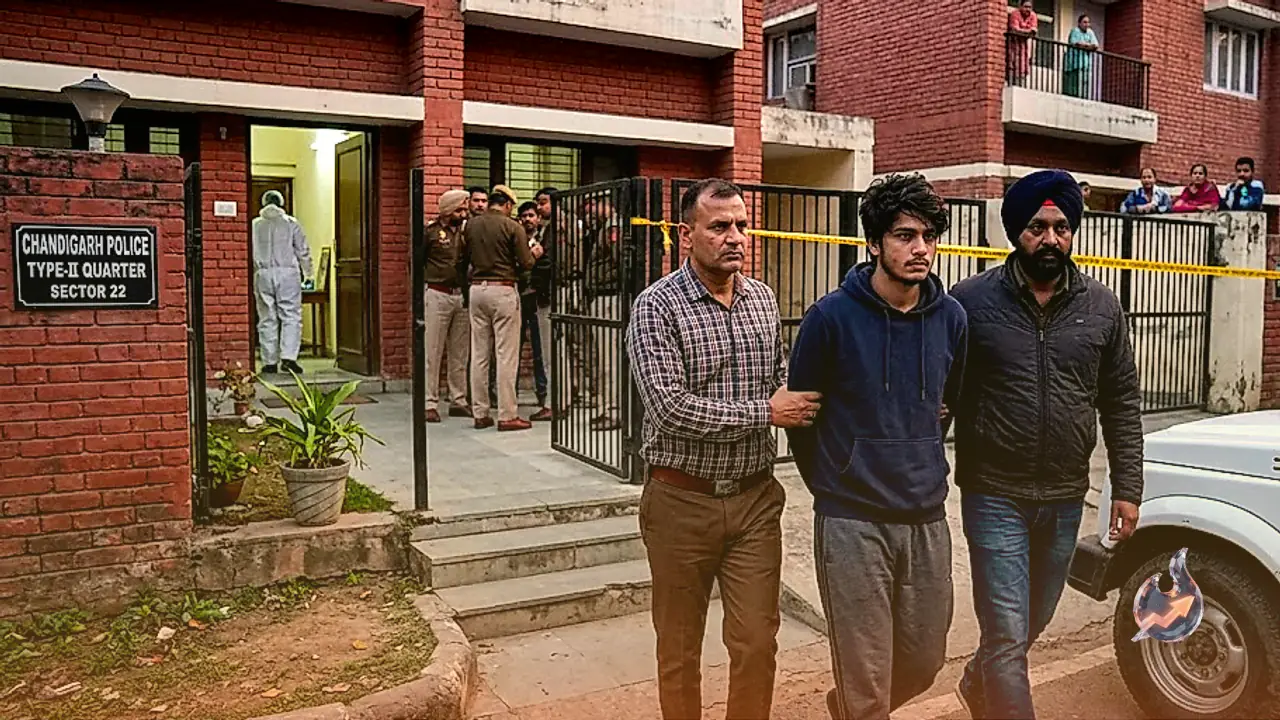
Armed with the laboratory evaluations, Jasmine Kathiriya approached law enforcement to report the incident. Acting on her statement, the Varachha police registered a formal legal complaint against showroom manager Jigar Maniya and commenced an official probe. Investigating personnel are currently scrutinising financial invoices, digital promotional advertisements, assurances given to the consumer at the point of sale, and the test certificates issued by the hallmarking centres. Officers are also reviewing customer records to ascertain whether similar grievances have been experienced by other patrons who purchased promotional items from the outlet.
Key Verification Steps For Consumers Before Buying Discounted Jewellery
This development serves as an important cautionary reference for retail consumers who are tempted by steep discounts advertised across social media channels. Before finalising purchases of gold or silver articles, buyers are advised to exercise strict diligence on several critical parameters. Customers should verify the exact net weight of the metal on an independent scale and ensure that any embedded stones or beads are itemised separately from precious metal billing. In addition, the formal retail invoice must explicitly state the purity grade, whether in carats or numerical percentages, alongside the net metal weight. Consumers should carefully compare advertising claims against the written terms printed on the bill. The allegations against the showroom manager in Surat remain under formal investigation by the police.