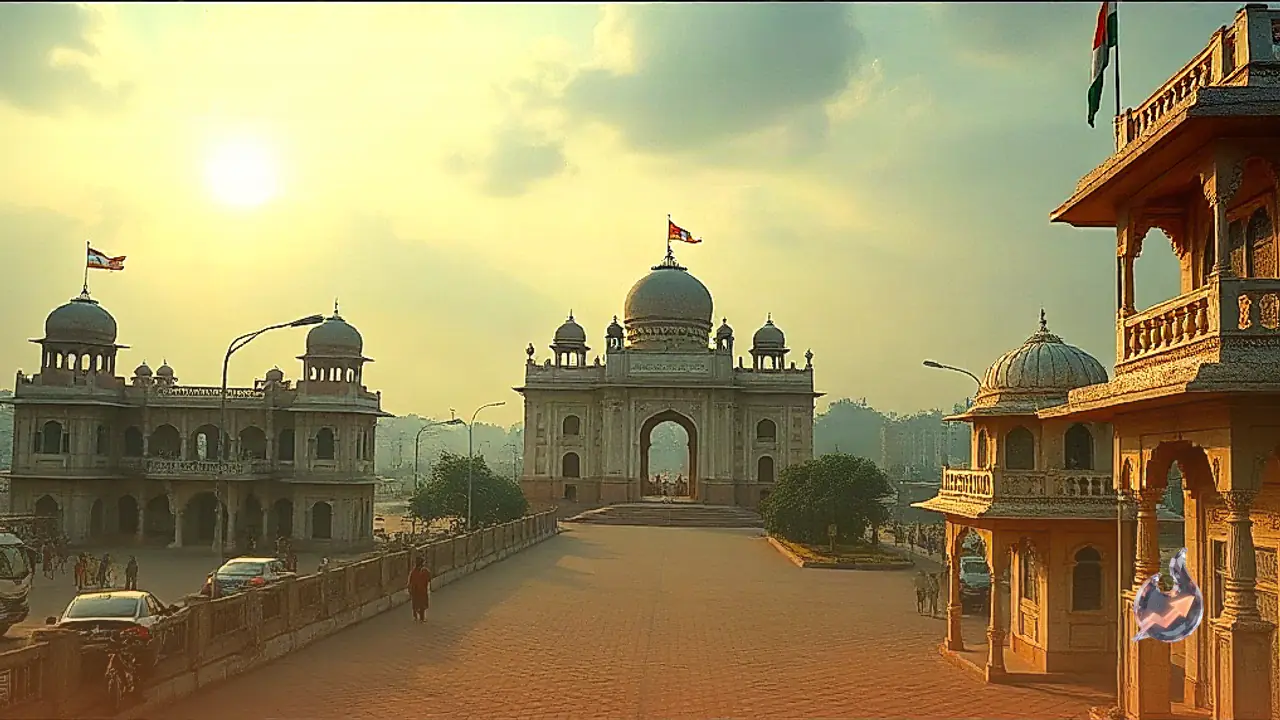
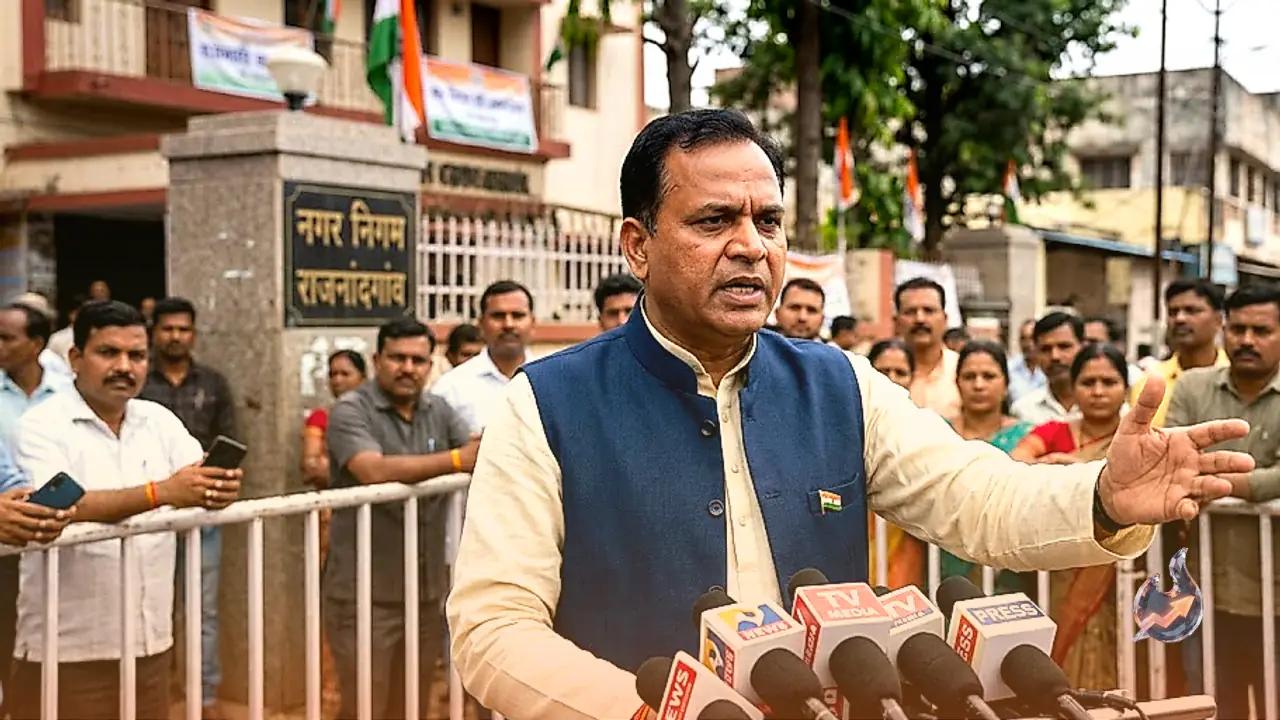















Ahead of Prime Minister Narendra Modi's visit to Vadodara on Tuesday, September 8, 2026, the city's administration has spent the past week turning the city into a stage for a very different kind of welcome. Led by the Vadodara Municipal Corporation (VMC), a series of cleanliness drives, welfare camps and public outreach programmes have been rolled out, aimed at giving the city a fresh look and ensuring government welfare schemes actually reach the people they are meant for.
None of this is being treated as a one-off exercise. Officials involved in the planning describe it as an attempt to link ordinary civic activity, cleanliness, welfare delivery and public participation, with the Prime Minister's broader Viksit Bharat vision, using the visit itself as an occasion to demonstrate how that vision is meant to work on the ground.
From cleanliness drives to a cyclothon
Between September 1 and 7, Vadodara ran a special cleanliness campaign called Swachhata Se Swagat, meaning Welcome Through Cleanliness, alongside a cleanliness cyclothon, a cycle rally held across the city. The drive focused on cleaning roads, ponds, historical heritage sites, schools and hospitals. Organised under the Namo For Viksit Bharat initiative, its goal goes beyond cleanliness alone, it is also meant to build awareness around fitness and environmental protection among residents. The administration wants ordinary citizens to feel like active participants in the welcome, in the spirit of Sabka Prayas, meaning everyone's effort.
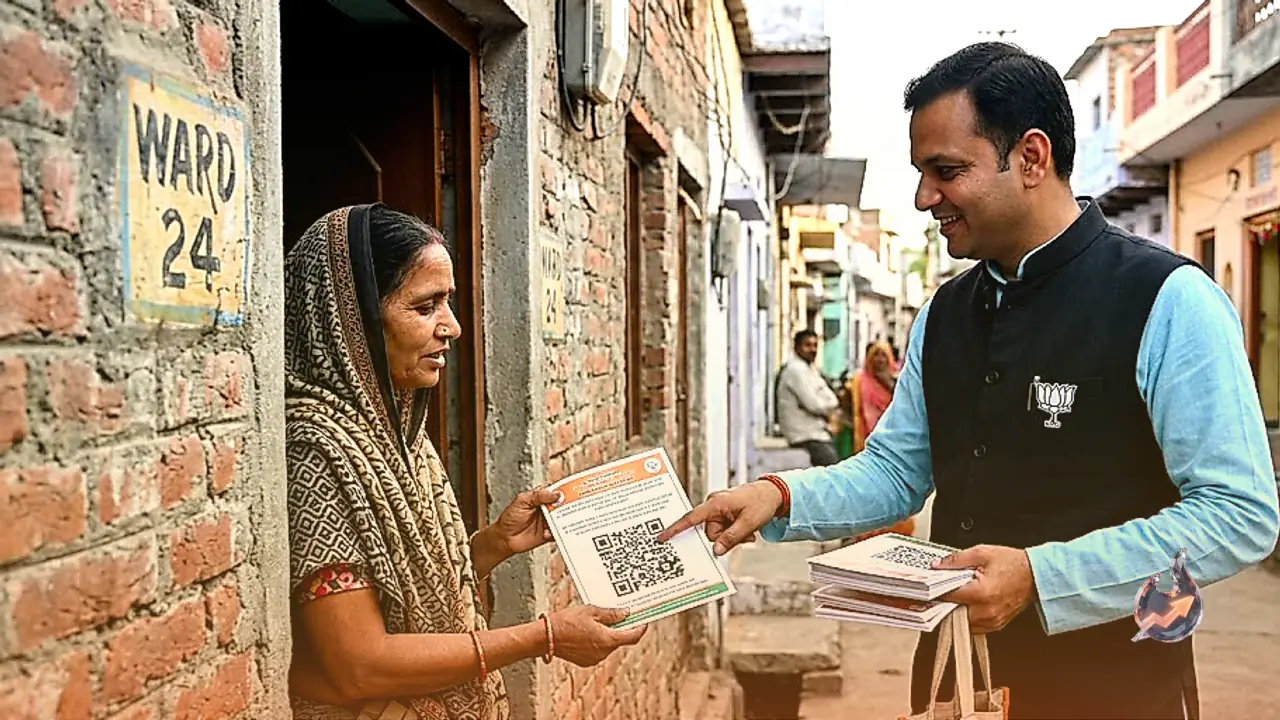
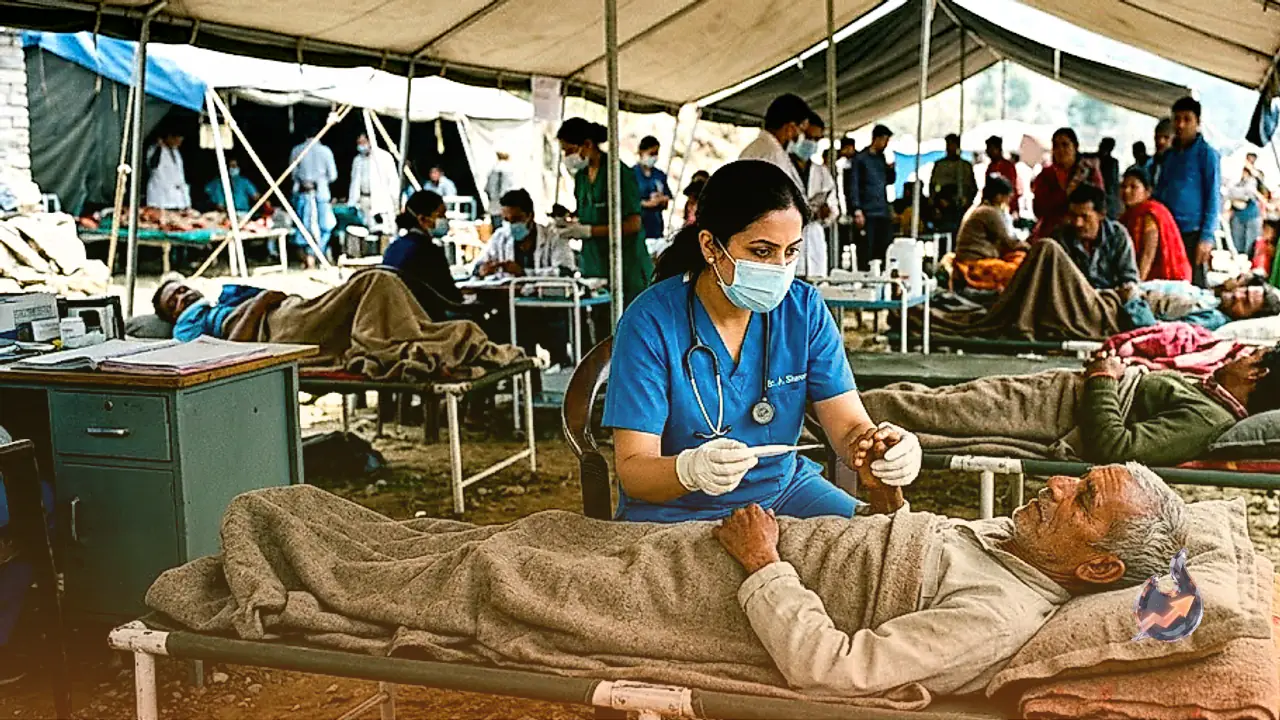
Alongside this, Seva Setu camps have been set up in all four zones of the city. These camps are designed to ensure maximum saturation, in administrative terms, of welfare schemes meant for senior citizens, women and youth, so that no eligible person is left out of a government benefit they qualify for.
A city-wide foot march a day before the visit
Just a day before the Prime Minister's arrival, on September 7, a large foot march, or padyatra, is planned across different parts of the city, bringing together local leaders and large numbers of ordinary citizens. The march is intended to build enthusiasm at the local level, strengthen public participation and showcase Vadodara's cultural heritage.
This time, the spotlight is on Gen-Z
This visit to Vadodara has been kept deliberately different from a traditional public rally. The administration and the government have placed their focus squarely on Gen-Z, students and young professionals, and have built specific strategies to engage them.
The Prime Minister's main event will be held at the Pavilion Ground of the city's well-known Maharaja Sayajirao, or MS, University. Rather than an open public gathering, this will be a selective, registered event, with more than 6,000 students, startup founders and young innovators expected to take part. The platform is meant to host a direct conversation on innovation and startups, with the goal of letting Gen-Z engage directly with the Prime Minister on shaping the country's future, promoting technological innovation, and the role of youth in an Atmanirbhar Bharat, or self-reliant India.
Keeping in mind the national and local issues that have recently come up around young people, the Prime Minister is expected to use this platform to connect the country's next generation directly with the idea of nation-building and the resolve for a Viksit Bharat, or developed India.
Since the Pavilion Ground itself can only accommodate a limited number of students, live streaming has been arranged at various educational institutions and key centres across the city to manage the crowd. The idea is to let tech-savvy Gen-Z students take part in this unique dialogue from their own campuses, even if they cannot be present at the venue itself.
Officials say the cleanliness drives, welfare camps, foot march and the youth dialogue are meant to work together, turning the Vadodara visit into more than a routine trip, one where citizens across age groups, from senior citizens to students, all have a defined role.