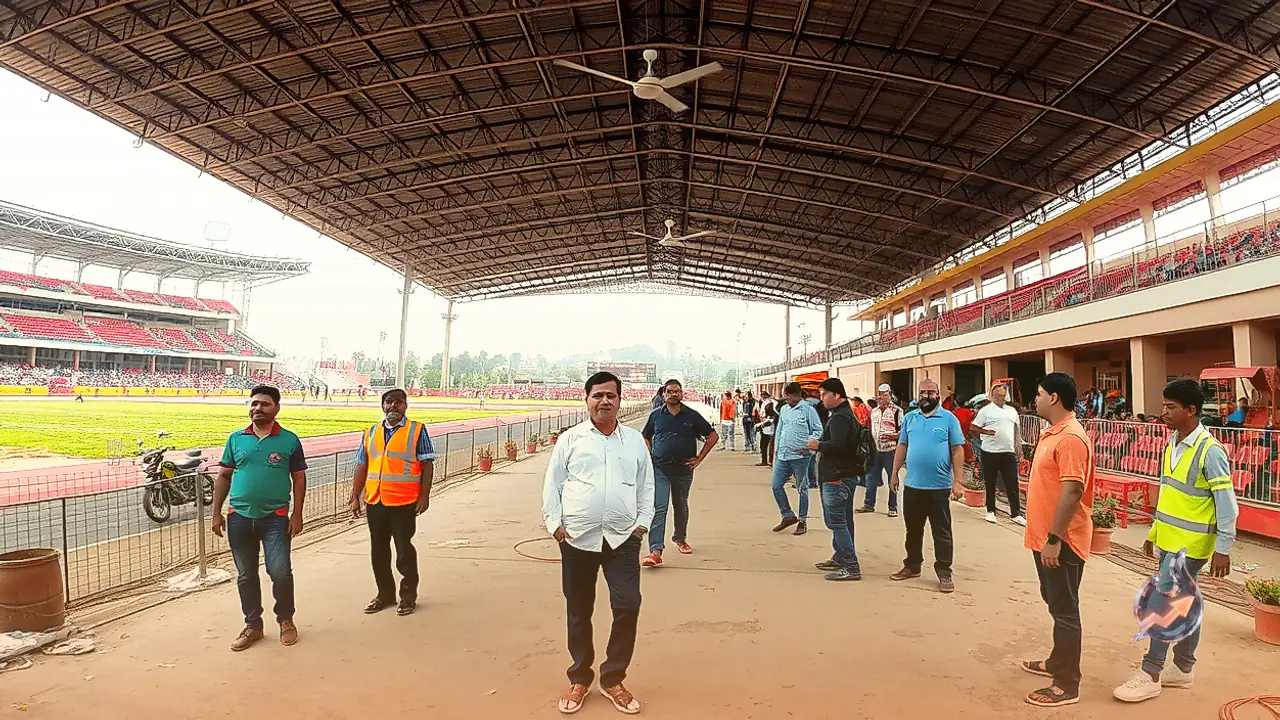

















Gymnastics is rapidly emerging as a viable and rewarding athletic pathway for young children whose families aspire to build careers in professional sports. When introduced at an early age alongside disciplined routines and structured guidance, young athletes can progress from local competitions to elite international stages. At the sports stadium in Ambala Cantt, Haryana, a world-class training setup is making high-level gymnastics coaching accessible not only to local talent but also to aspiring athletes arriving from other districts across Haryana.
French Olympic Grade Facilities in North India
The gymnastics hall within the Ambala Cantt stadium complex has evolved into one of the most prominent gymnastics development centers in northern India. A standout feature of this venue is the specialized apparatus imported directly from France, matching standards utilized in Olympic competitions. Training on such high-spec equipment from the outset gives grassroots athletes a major competitive advantage. Every morning at 5:30 AM, a contingent of 50 young trainees arrives on the floor to begin intensive conditioning and technical drills.
The Critical Age Window and the Decade-Long Journey
Gymnastics coach Satpal Chhabra highlights that developing elite performers requires long-term commitment and early physical adaptation. In his view, children who begin structured gymnastics training between 5 and 6 years of age have the best chance of cultivating the agility, core balance, and body control required for global success. Becoming an international athlete is not an outcome that can be achieved in just two or three years of training. Mastering technical skills and building extreme physical resilience takes approximately 10 years of consistent effort. A child starting at age five can realistically attain peak competitive maturity around the age of 20, equipped to challenge top contenders in high-level tournaments.
Balancing Morning Practice with Regular Schooling
Many parents worry that serious sports commitments could derail classroom education. Coach Chhabra explains that the daily schedule is designed to support both tracks, requiring only about an hour of intensive morning training before children head off to their routine academic classes. In the initial phases, proactive involvement from parents and trainers is critical to build consistency. Once children adjust to the routine and discover their passion for gymnastics, they naturally develop intrinsic motivation to show up each morning, keeping sports development and school learning in healthy equilibrium.
Ambala Sporting Legacy and Professional Opportunities
The gymnastics ecosystem in Ambala carries an impressive track record of nurturing elite talent. Renowned gymnasts Anju Dua and Sunita Sharma, both of whom earned the prestigious Arjuna Award, are shining examples of this rich sporting tradition. Additionally, national champion Yogeshwar represented the country on the international circuit under the mentorship of Satpal Chhabra.
Excellence in gymnastics opens doors beyond athletic prestige. Outstanding achievements at the state and national levels qualify sportspersons for public-sector employment through sports reservation quotas. Furthermore, Haryana provides athletes with residential sports hostels and dedicated dietary programs, ensuring that developing gymnasts receive proper nutrition and living conditions while pursuing international excellence.