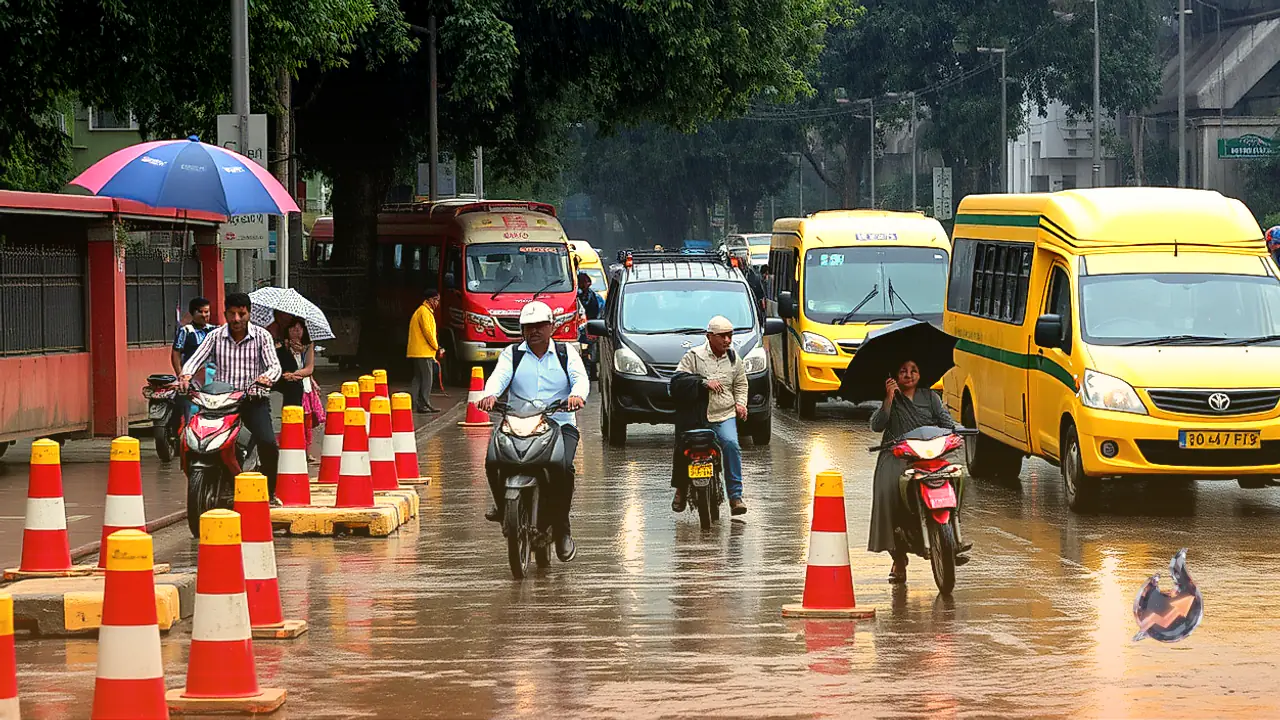

















A structured urban transformation initiative has been charted out to upgrade key transit corridors across the Millennium City. Beyond civil repairs and fixing broken asphalt, the comprehensive project introduces stringent public conduct protocols designed to maintain civic cleanliness and order. Motorists and pedestrians using these thoroughfares will have to comply with newly established regulations covering roadside habits and waste disposal.
Nineteen Kilometres of Arterial Roads Selected for Redesign
Administrative blueprints highlight the development of select urban stretches into modern model corridors spanning a cumulative length of 19 kilometres. Preparations for this multifaceted overhaul have been reviewed under the leadership of Gurugram Metropolitan Development Authority Chief Executive Officer PC Meena, who evaluated the ground execution strategy.
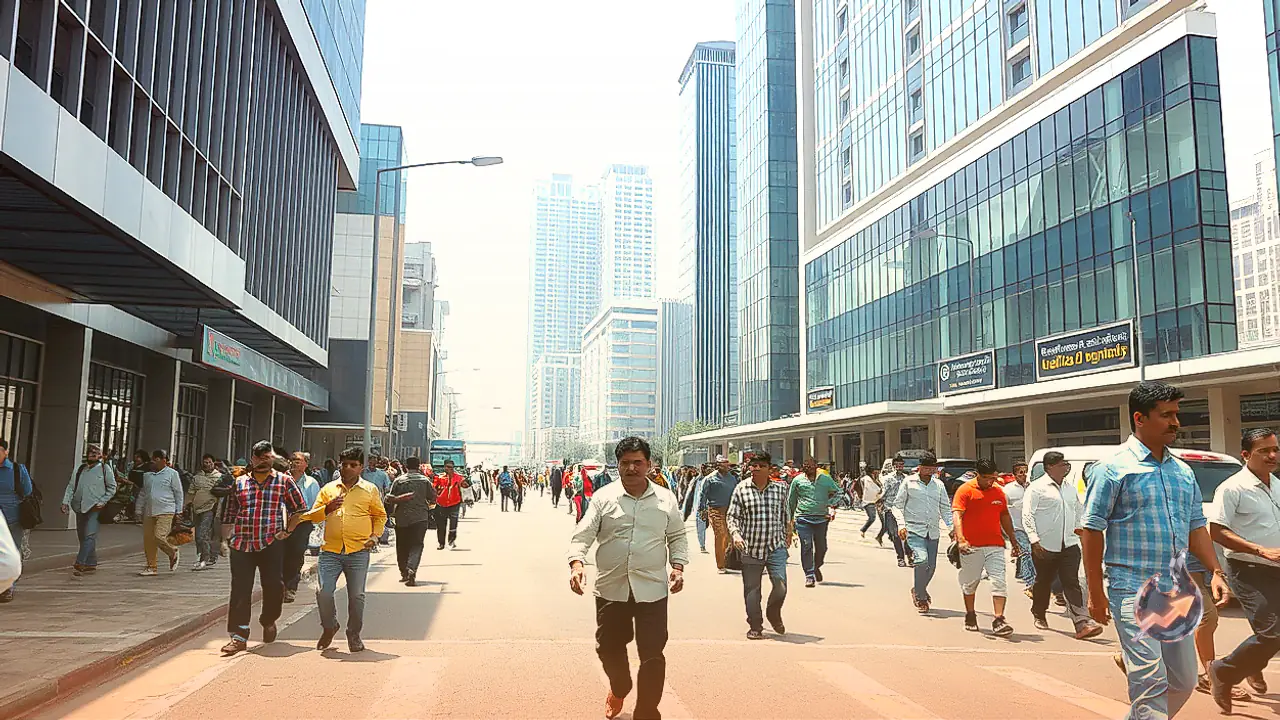
The revamp encompasses high-density commercial and commuter routes, including MG Road, Galleria Road, and Trade Centre Road. Crucial metro feeder corridors are also part of the plan, notably the link connecting Signature Tower to the Millennium City Centre metro station, Sanath Road, the passage running from AIT Chowk to Sikanderpur metro station, and the stretch extending from Sikanderpur to Cyber Hub. These roads are set to receive complete design enhancements and barrier-free access for people with disabilities.
Designated Smoking Zones and Penalties for Littering
Alongside aesthetic and structural upgrades, new behavioural guidelines will be enforced along these thoroughfares. Pedestrians will no longer be permitted to light cigarettes at arbitrary spots on the pavement. The authorities are dividing stretches into earmarked smoking and no-smoking sections, with clear penalties lined up for those violating the boundary rules.
Furthermore, authorities are instituting direct fines for spitting and discarding chewing gum onto road surfaces. Motorists who open vehicle doors or windows to spit paan juice will also face punitive action. To encourage appropriate civic habits, green and blue refuse bins will be installed for segregated waste disposal, while road intersections will display informative signage promoting hygiene and public cleanliness.
Surveillance Patrols Equipped with Body Cameras
To ensure strict adherence to these civic mandates, specialized monitoring units will be deployed across the designated corridors. Personnel in these teams will carry wearable body cameras to capture digital evidence of non-compliance, such as outdoor spitting, smoking in unauthorized spaces, or littering confectionery items.
The recorded footage will support official penalty processing and fine collection, reducing disputes on the ground. Alongside issuing challans, enforcement personnel are tasked with explaining the guidelines to residents to foster better public participation and avoid repeat violations.
Extensive Drive for Pothole Free Connectivity
In addition to the premier corridors, a parallel maintenance plan aims to eliminate potholes across several key residential and sector connector roads throughout the city. The targeted stretches include
- Connecting roads spanning Sectors 21-22, 30-31, 32-39, 39-40, 45-46, and 46-47
- Corridors servicing Sectors 50-51, 51-57, 65-66, 75-75A, 75-76, and the Sector Rampura road
- The link from Rezang La Chowk towards the Delhi border, as well as the Medanta Hospital approach road
- The transit path from RD City to Ambedkar Chowk, continuing onwards to Mayfield Garden
- The arterial route running from Signature Chowk through Maharana Pratap Chowk to Atul Kataria Chowk
- The entire highway segment from Golf Course Road up to the Ghata traffic light intersection