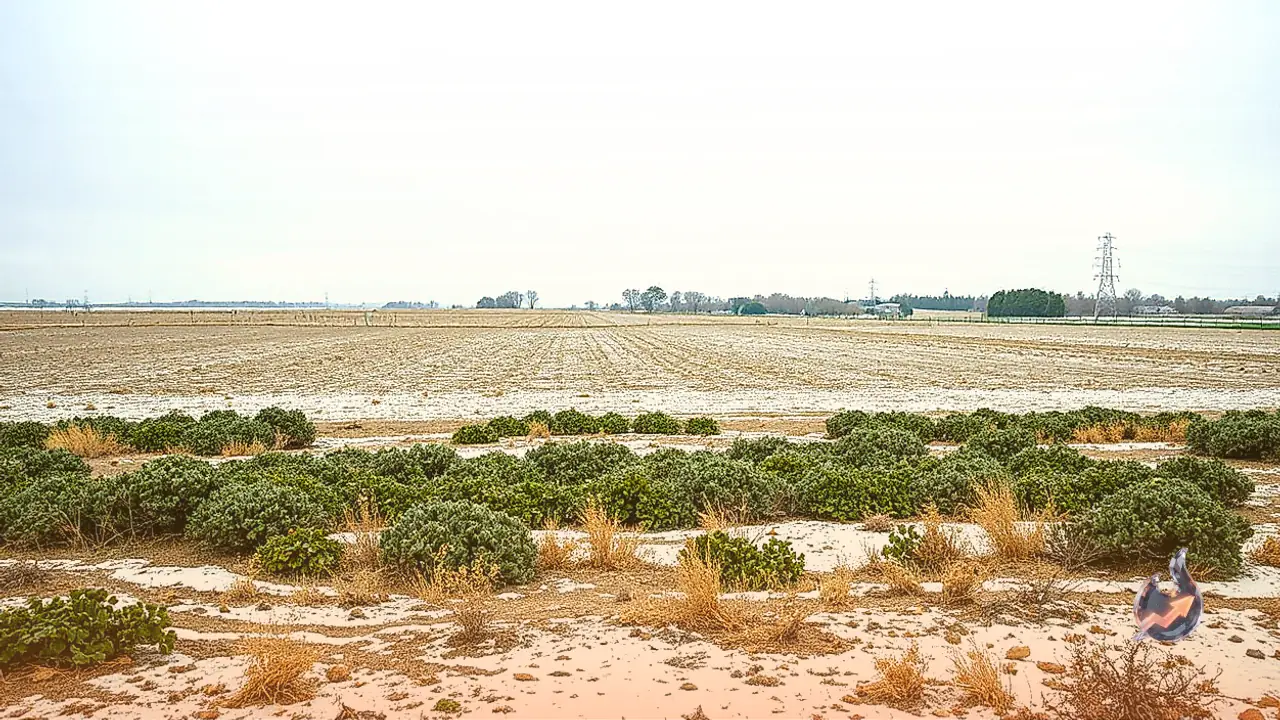


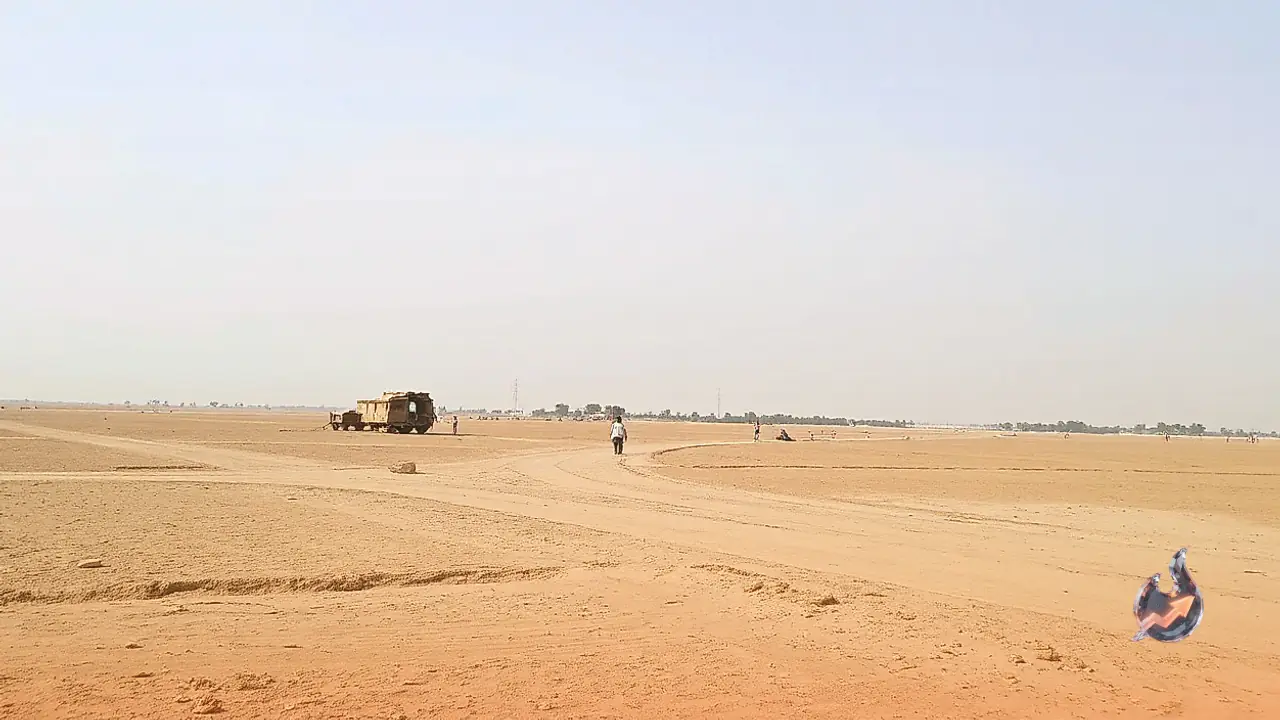

















A dedicated freight corridor passing through multiple rural settlements in the Faridabad district of Haryana, including Dayalpur, Ladhauli, and Fatehpur Billoch, has turned into a perilous corridor for local livestock and residents alike. The tracks primarily accommodate freight trains moving between Dadri and Mumbai, which operate at speeds touching 100 kilometers per hour. Despite the high-speed movement of these heavy rakes, substantial safety infrastructure and continuous barricading remain conspicuously missing along the line, turning the open track area into a recurring accident site for cattle and pedestrians.
Farmland Fencing and Track Slopes Create a Fatal Trap
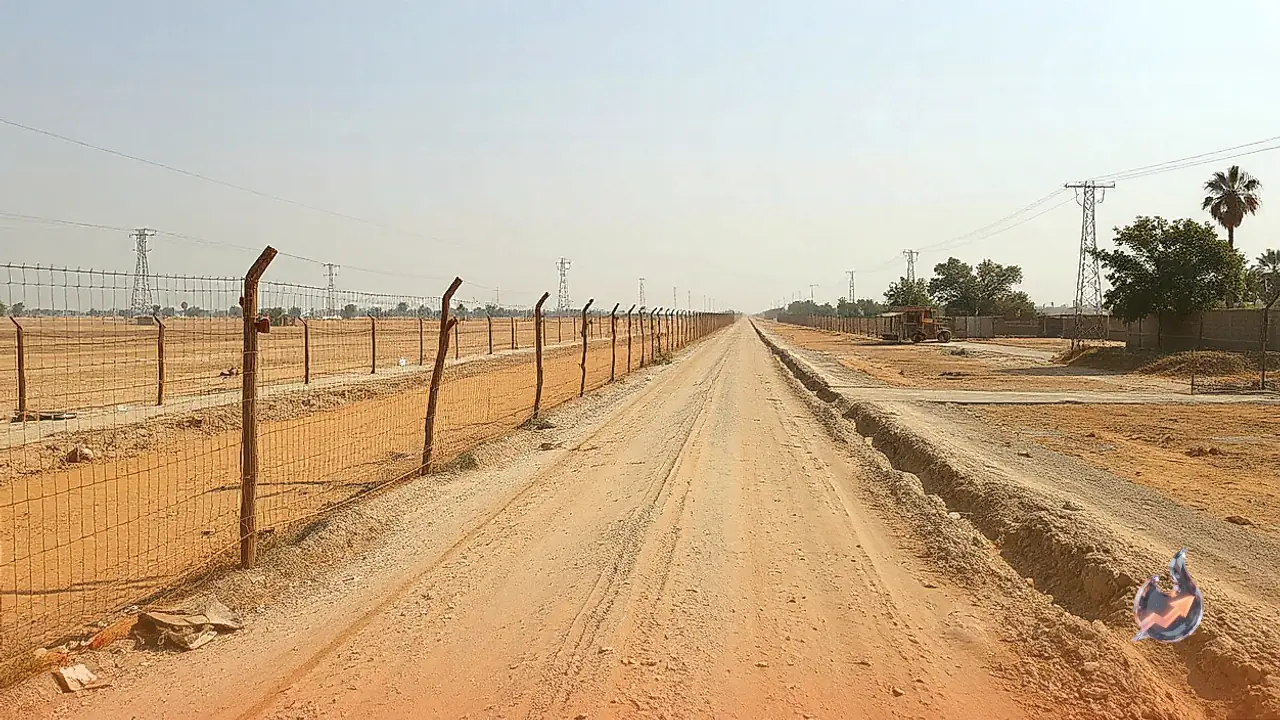
Describing the terrain difficulties faced by animals in the vicinity, local resident Bablu Hooda notes that the railway line runs adjacent to agricultural fields where farmers have installed barbed wire fencing to protect standing crops. When stray herds enter the farmlands in search of pasture, farmers routinely drive them away. With their escape routes blocked by farm fencing, the disoriented cattle have nowhere to head except toward the raised railway embankment. While cows find it relatively easy to climb up the constructed access stairs or slope gradients leading to the track bed, navigating back down poses a severe physical challenge. In this panic, cattle end up stranded right on the tracks, directly in the path of incoming goods trains operating at roughly 100 km/h. Multiple cattle have been struck and killed during the past 15 to 20 days alone under similar circumstances.
Stalled Construction Work and Memories of Past Collisions
Recalling recurring incidents on this stretch, Jagat Singh from Ladhauli village explains that the hazard has persisted for over a year without permanent resolution. About a year ago, two major collision events unfolded on the line within a brief span of ten days, resulting in five to six cows and two bulls being run over by passing freight trains. Several cattle sustained catastrophic injuries. Locals managed to transport one severely injured bull to a government veterinary hospital in their private vehicle, but the animal could not survive its extensive trauma. Police and local authorities eventually had to deploy a JCB excavator to dig a large pit and bury the deceased animals. Singh pointed out that governmental authorities had initiated the construction of a boundary wall at certain spots, but the project was subsequently abandoned midway, leaving extensive stretches completely exposed.
Derailment Risks and the Growing Threat to Human Life
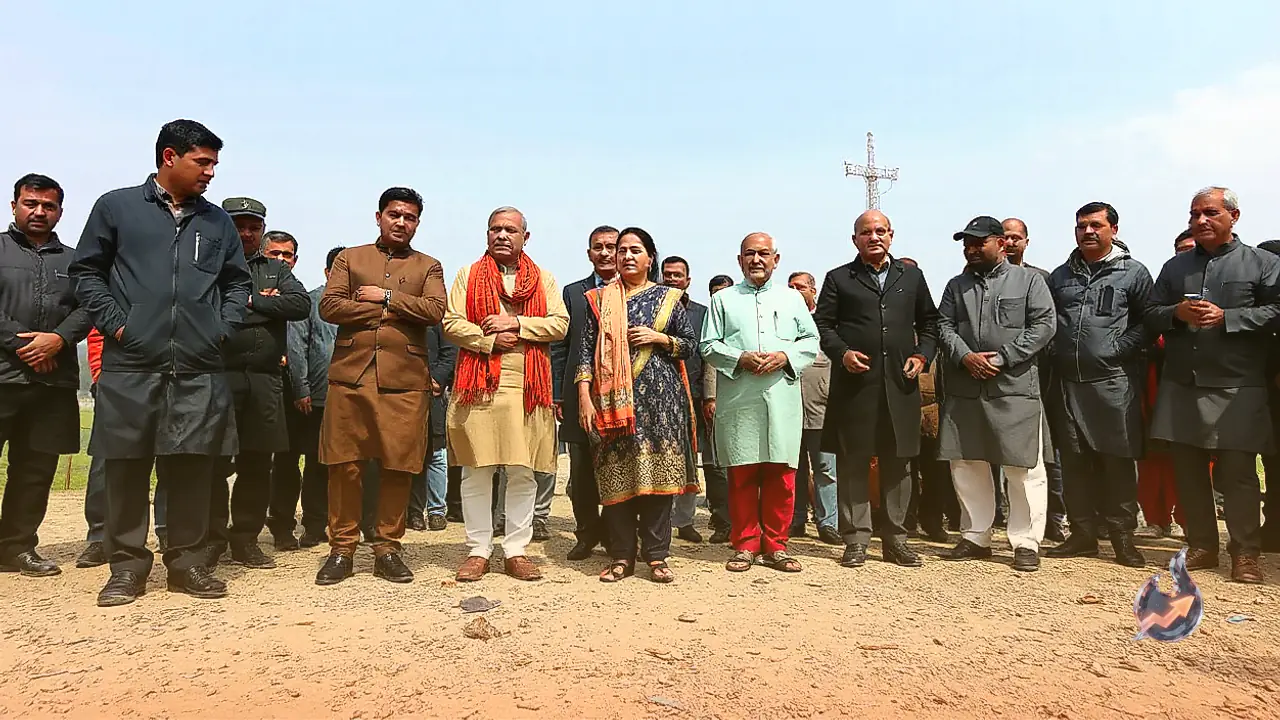
Highlighting the broader operational risks of this corridor, Dayalpur resident Deepak emphasizes that animals lack the awareness to stay clear of railway lines and often wander onto elevated sections directly into the path of speeding locomotives. A collision between a fast-moving goods train and a large animal poses a tangible threat of locomotive derailment, which could trigger catastrophic infrastructural loss for the railways. Deepak also underscored that human lives are equally vulnerable along this unsecured corridor. Recently, an unidentified individual ventured onto the railway line and was found run over and killed by a train the following morning. While patchwork wire fencing exists on certain railway land parcels, there is no unbroken barrier across the villages. Villagers collectively demand an exhaustive, unbroken boundary wall or robust barbed-wire enclosure along the entire rural route to eliminate track intrusions, preserve livestock, and protect freight traffic.