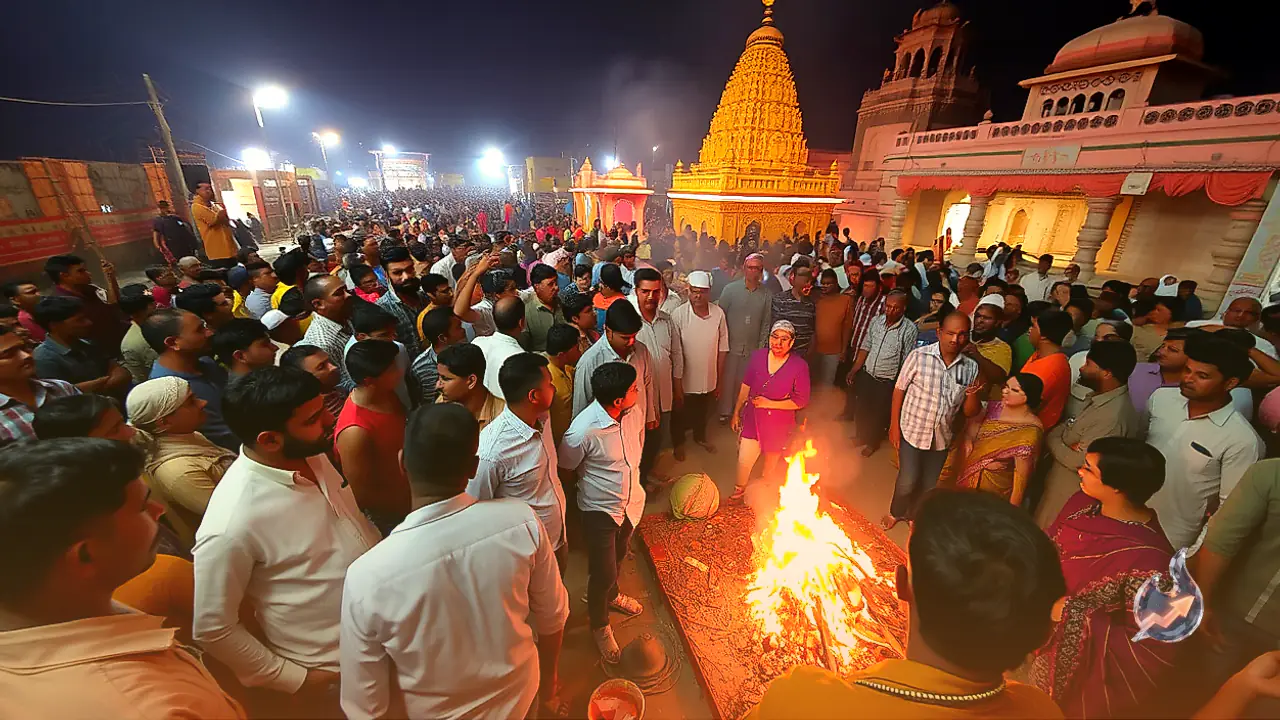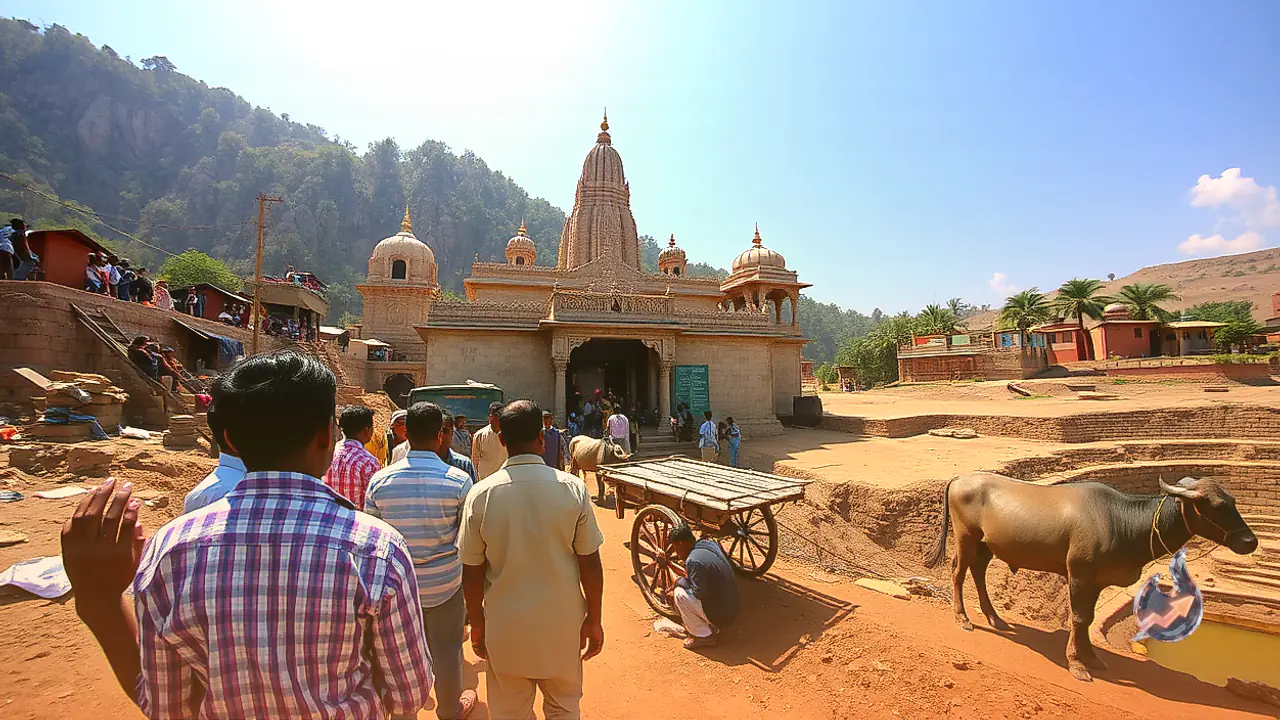



















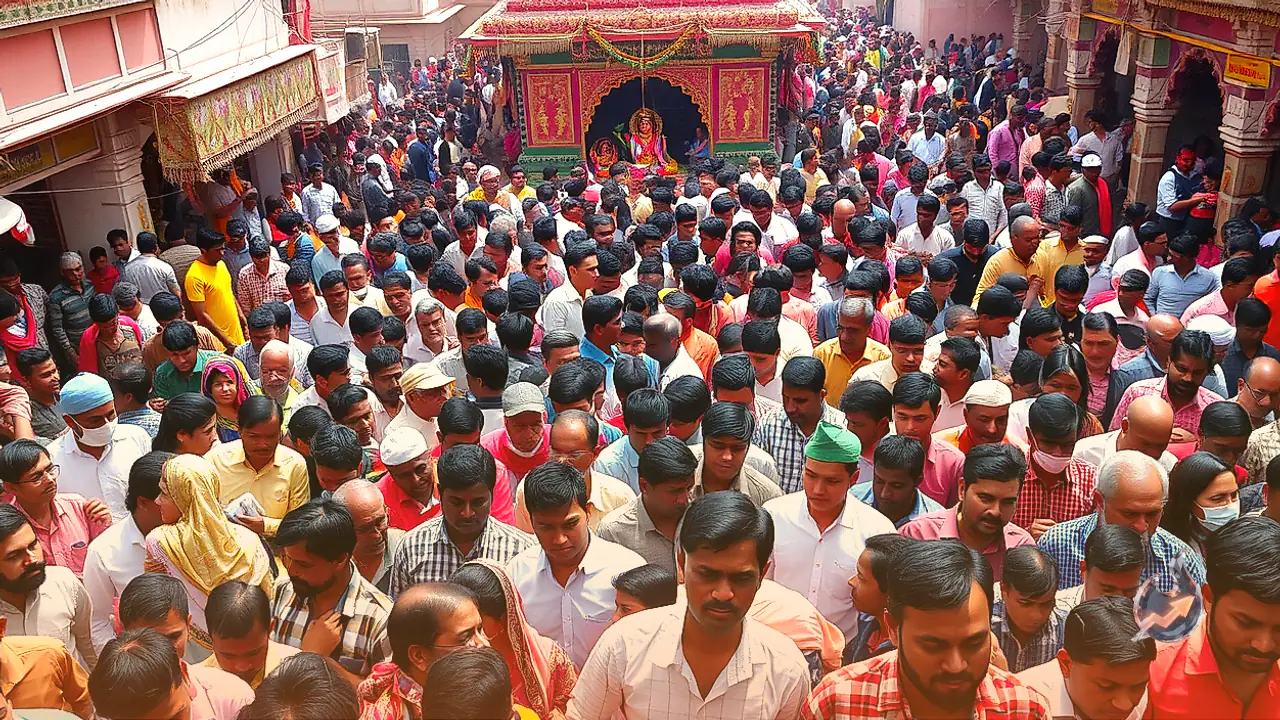

Devotees gathered in large numbers across prominent Shaktipeeths and sacred shrines in the historic district of Chittorgarh, Rajasthan, marking the auspicious period of Shardiya Navratri. The influx of worshippers commenced at dawn as temple gates opened, with resonant chants echoing through the premises well into the late evening. The convergence of the holy festival with a public holiday drew substantially higher crowds than routine days, immersing the entire region in an atmosphere of intense religious devotion.
Devotees Walk Miles to Reach Kalika Mata Temple on Chittorgarh Fort
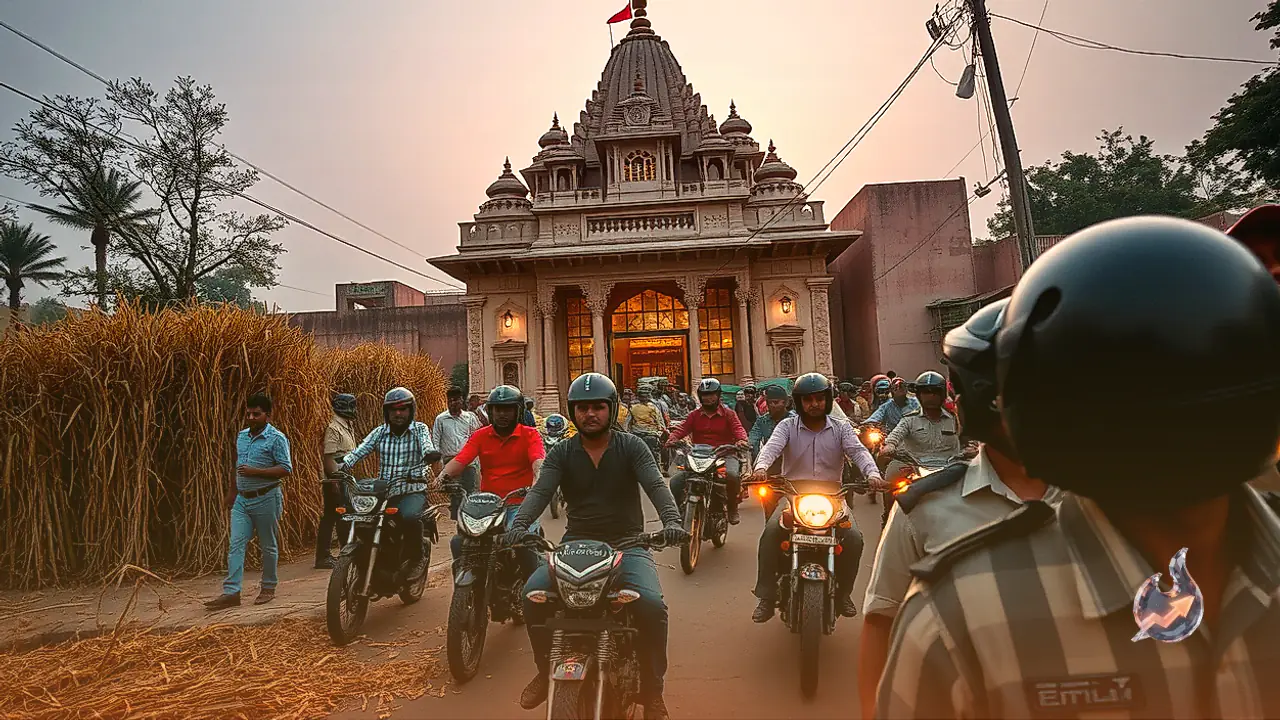
At the historic Kalika Mata Temple perched atop Chittorgarh Fort, religious enthusiasm was on full display throughout the day. A significant number of devotees undertook journeys on foot spanning several kilometers to pay homage at the sanctum. Winding queues stretched from the main entrance gates deep into the inner sanctum, where visitors waited patiently for hours while raising invocations to the goddess. To ensure that the massive congregation could complete their visits safely and smoothly, the temple management and local police deployed coordinated crowd control measures.
Joganiya Mata, Aavari Mata, and Jhatla Mata Witness High Footfall
The spiritual festivities resonated equally across other major Shaktipeeths located across the district. Shrines including Joganiya Mata, Aavari Mata, Jhatla Mata, Bayan Mata, and Sagara Mata witnessed thousands of visitors arriving since the early hours. Devotees performed ceremonial prayers, lit traditional oil lamps, offered sacred scarves, and prayed for the prosperity, health, and peace of their households, keeping the temple courtyards continuously vibrant throughout the day.
Special Amenities and Tight Security Measures Deployed
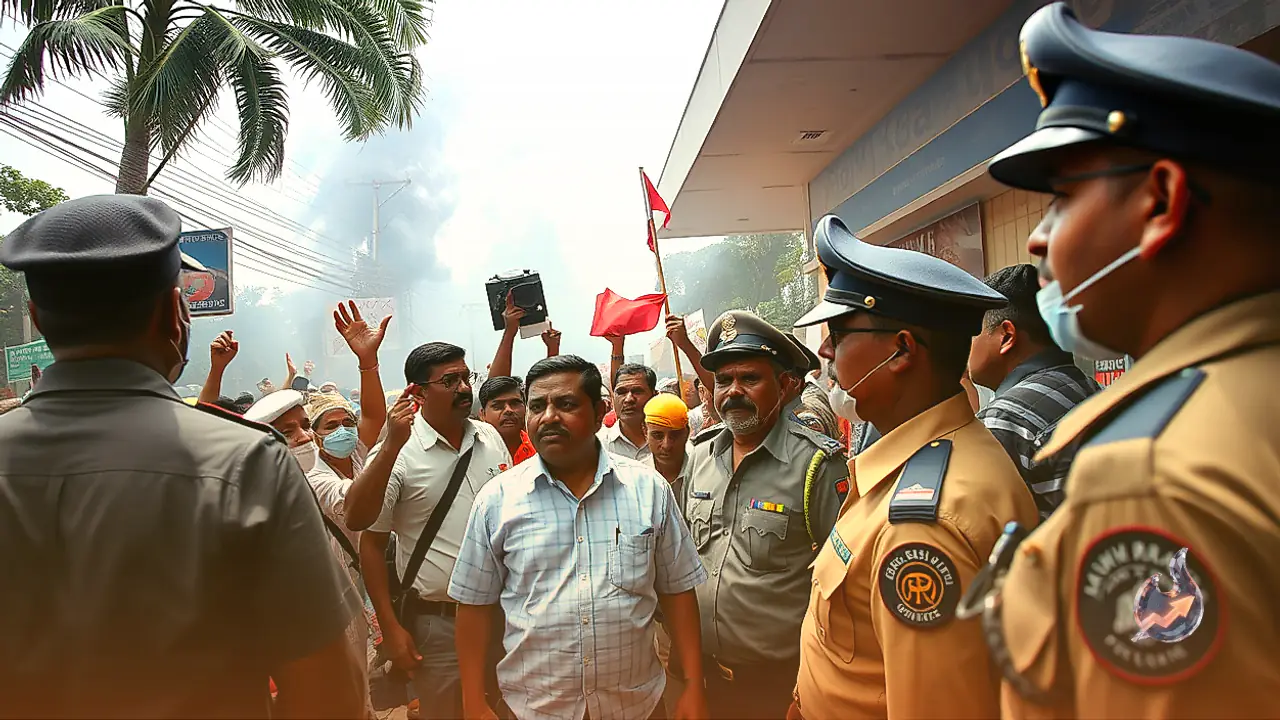
Because the festive day coincided with a holiday, visitors from surrounding districts joined local residents in traveling to Chittorgarh's temples. Recognizing the surge in visitor numbers, administrative authorities and temple committees enforced strict surveillance and security protocols at all primary locations. Dedicated volunteers managed line movements, while provisions such as clean drinking water stations and shaded walkways were set up to protect devotees from sun exposure. The continuous stream of visits proceeded without disruption into the evening, reflecting deep cultural and religious engagement across urban and rural parts of the district.