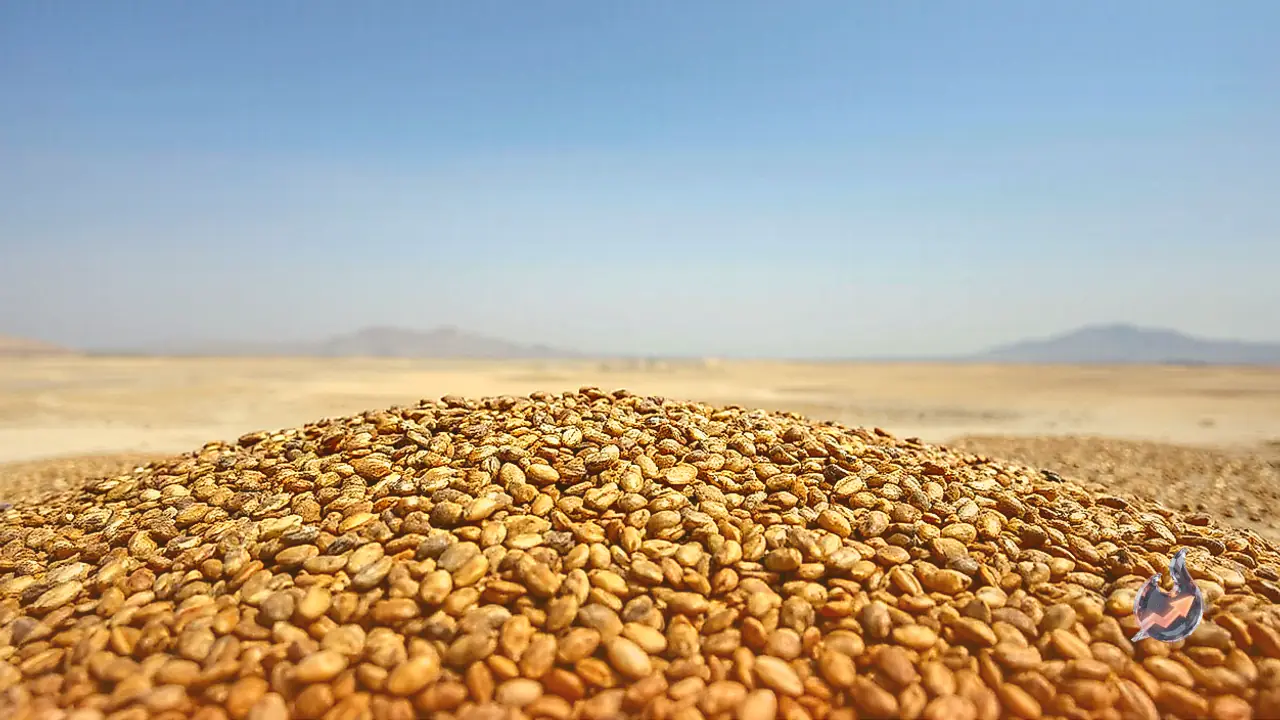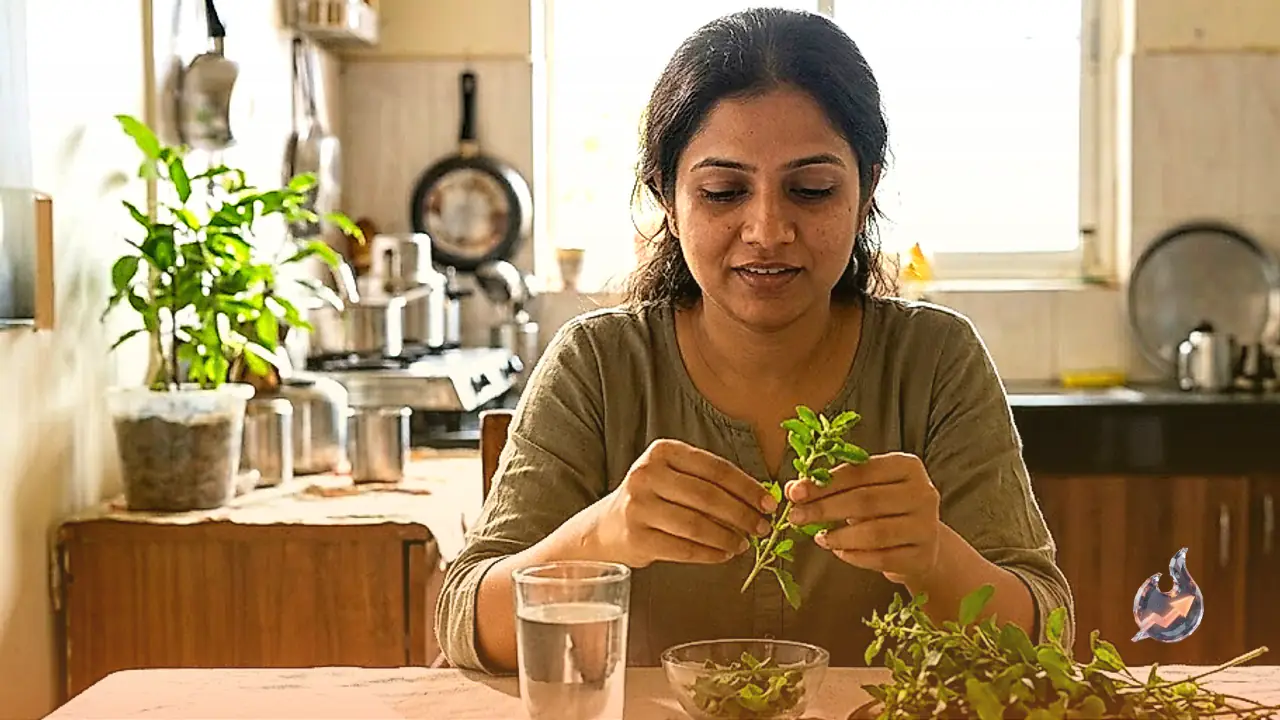

























Wheat and rice dominate most Indian plates, but doctors say gluten-free millets like jowar deserve a much bigger place in everyday meals. Dr. Bimal Chhajer, founder of the SAAOL Heart Center and an MBBS, MD, explained in a YouTube video how jowar (sorghum) flour benefits the body and the right way to work it into a regular diet.
What 100 grams of jowar actually contains
Dr. Chhajer says 100 grams of jowar carries around 330 calories. It packs roughly 72 grams of carbohydrates, 10 to 11 grams of protein and close to 3 grams of fat. Alongside that, the grain holds about 6 to 7 grams of fibre and nearly 350 milligrams of potassium. That varied nutrient profile is what makes jowar a fairly complete grain, one that does more than just fill the plate.
Why it is considered good for the heart
That high potassium content is what makes jowar particularly useful for heart health, according to Dr. Chhajer. Potassium helps the body flush out excess sodium and keeps blood pressure in check. This sodium-potassium balance is one of the simplest dietary levers available for controlling blood pressure, which is exactly why jowar gets recommended to people watching their heart health.
Keeping blood sugar spikes in check
Jowar also carries a notably low glycemic index, which is why it is often recommended to people managing high blood sugar. The complex carbohydrates and fibre in the grain slow down how quickly glucose gets absorbed into the bloodstream, preventing the sharp sugar spikes that tend to follow a meal. For someone managing diabetes, that slower glucose release can make a real difference to how stable sugar levels stay through the day.
Better digestion, easier weight control, and fewer allergy worries
Being both gluten-free and fibre-rich, jowar supports smoother digestion and can ease constipation. Its fibre content keeps the stomach feeling full for longer, which makes it a useful grain for anyone trying to lose weight. People who are sensitive to gluten or wheat can consume jowar without the usual discomfort. On top of that, its antioxidant content helps the body fight oxidative stress.
How to actually eat it
Jowar flour can be worked into daily meals simply by making rotis or bhakris out of it. Dr. Chhajer suggests that rather than eating it on its own, mixing jowar with other grains into a multigrain flour multiplies the nutritional benefit several times over.
Disclaimer: The information in this article is for general awareness only. Consult a doctor before making any changes to your diet or starting any new health routine.