























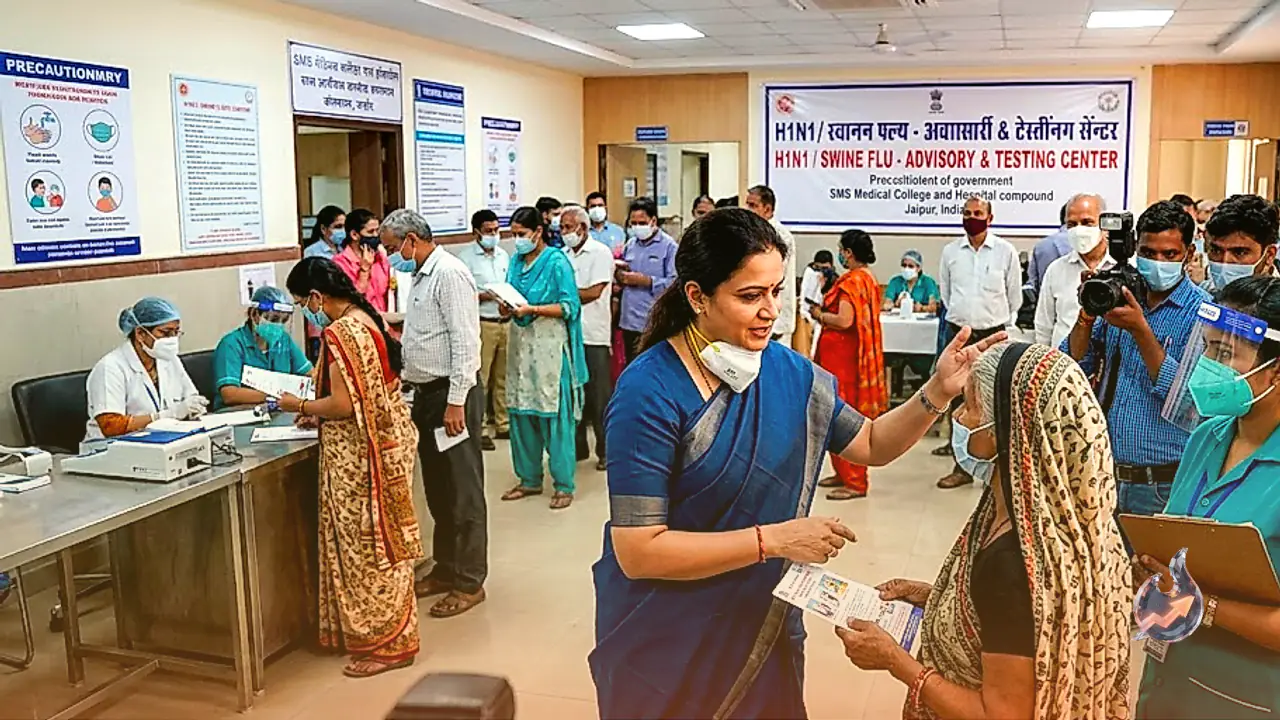

Following a noticeable surge in swine flu cases across Jaipur, the Rajasthan Medical and Health Department has placed the state machinery on high alert and issued a comprehensive health advisory. The guidelines urge citizens to exercise strict caution and adopt preventive measures to curb the transmission of the respiratory infection. Authorities have specifically advised individuals exhibiting symptoms such as fever, persistent cough, or a sore throat to avoid visiting crowded public places and to wear face masks whenever necessary. The health department clarified that swine flu, an influenza variant affecting the respiratory system, is manageable and that most affected individuals make a complete recovery with appropriate medical guidance and timely care.
Key Symptoms of Swine Flu and Seasonal Respiratory Infection
Seasonal shifts often trigger a rise in viral respiratory illnesses across the region. Principal Secretary of the Medical and Health Department, Gayatri Rathore, highlighted the essential precautions that the public should observe to safeguard themselves against seasonal flu and related infections. Health officials stressed that recognizing the early warning signs is vital for prompt management. The primary symptoms associated with swine flu include sudden fever, continuous coughing, throat irritation or pain, a runny or blocked nose, headaches, generalized body aches, and severe fatigue. While these manifestations closely resemble those of a common cold or routine viral fever, timely evaluation by medical professionals remains crucial to prevent potential health complications.
Special Precautions Required for High-Risk Populations
The health department’s advisory emphasizes heightened protection for vulnerable segments of society who face an elevated risk of severe illness. According to Principal Secretary Gayatri Rathore, young children, the elderly, pregnant women, and individuals coping with chronic or long-term pre-existing health conditions are particularly susceptible to severe complications if infected. Due to potentially compromised or developing immune systems, viral infections can progress rapidly in these high-risk groups. Consequently, families are advised to maintain strict vigilance if any household member demonstrates flu-like symptoms. Isolating symptomatic persons from high-risk family members and closely monitoring their health status is essential to avert health emergencies.
Respiratory Hygiene Practices and Personal Distancing Norms
To effectively disrupt the chain of viral transmission, the health department has laid down explicit personal hygiene protocols for daily adherence. Individuals are instructed to cover their mouth and nose with a handkerchief, tissue, or the crook of their elbow whenever coughing or sneezing. Used tissues and materials must be disposed of responsibly to prevent contamination. Frequent hand hygiene using soap and clean water is strongly recommended, while hand sanitizers should be utilized when water is unavailable. Furthermore, persons displaying flu symptoms must maintain adequate physical distance from others, refrain from close interpersonal contact, and wear protective masks in public spaces.
Hydration, Rest, and the Dangers of Self-Medication
Adequate rest and fluid intake form the cornerstone of recovery from influenza infections. Health guidelines urge patients to ensure sufficient physical rest and maintain continuous hydration by consuming water and other healthy fluids. Crucially, the health department has issued a strong warning against self-medication. Taking antibiotics or antiviral drugs without a qualified doctor’s prescription can lead to adverse health outcomes and drug resistance. Adjusting medication dosages independently or continuing unprescribed drug regimens over extended periods poses serious health risks. Patients are advised to consult a certified medical practitioner immediately upon noticing symptoms rather than initiating self-directed treatments.
Emergency Warning Signs and Isolation Protocol
Recognizing severe symptoms that demand urgent medical intervention is critical to preventing fatal outcomes. Health authorities advise patients and caregivers to seek immediate emergency medical care at the nearest hospital or health center if warning signs appear. These emergency indicators include acute shortness of breath or difficulty breathing, unyielding high fever, severe physical weakness, or a drop in blood oxygen saturation levels. Additionally, infected or symptomatic individuals must refrain from attending schools, offices, social gatherings, or crowded venues to stop the community spread of the virus. The health department assured the public that panic is unnecessary, urging citizens to rely on official medical advice rather than unverified rumors.