
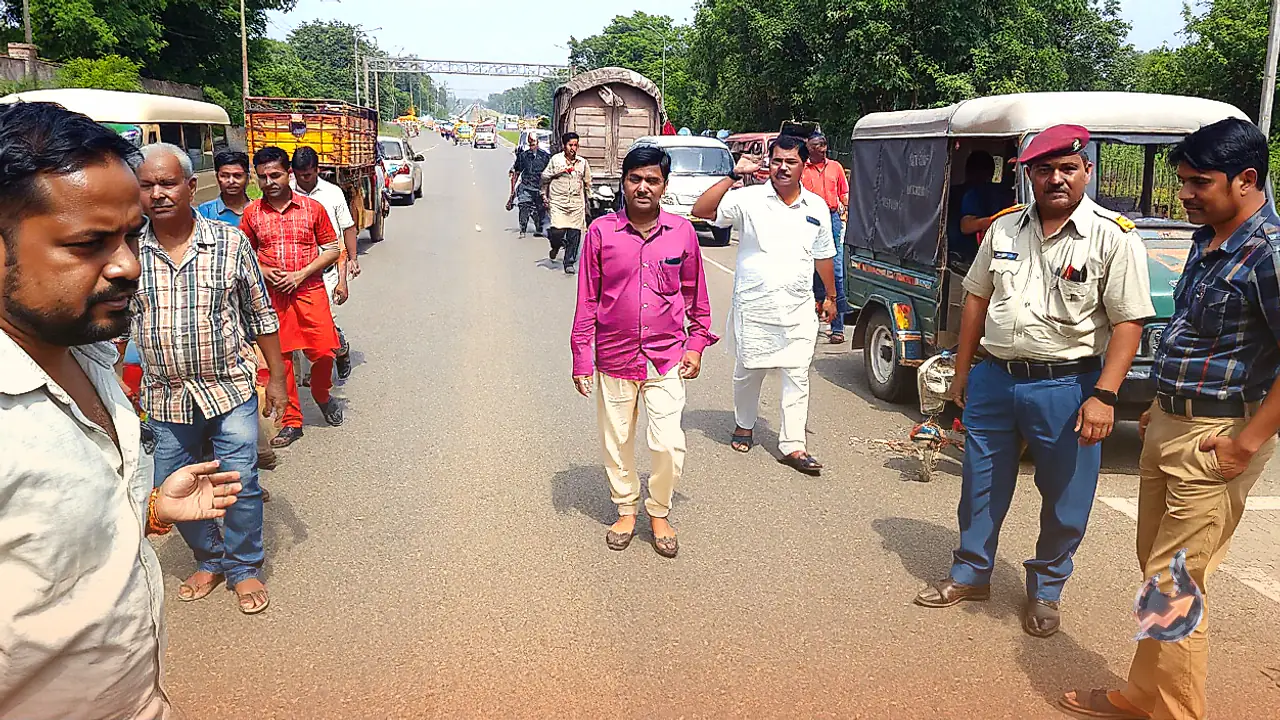
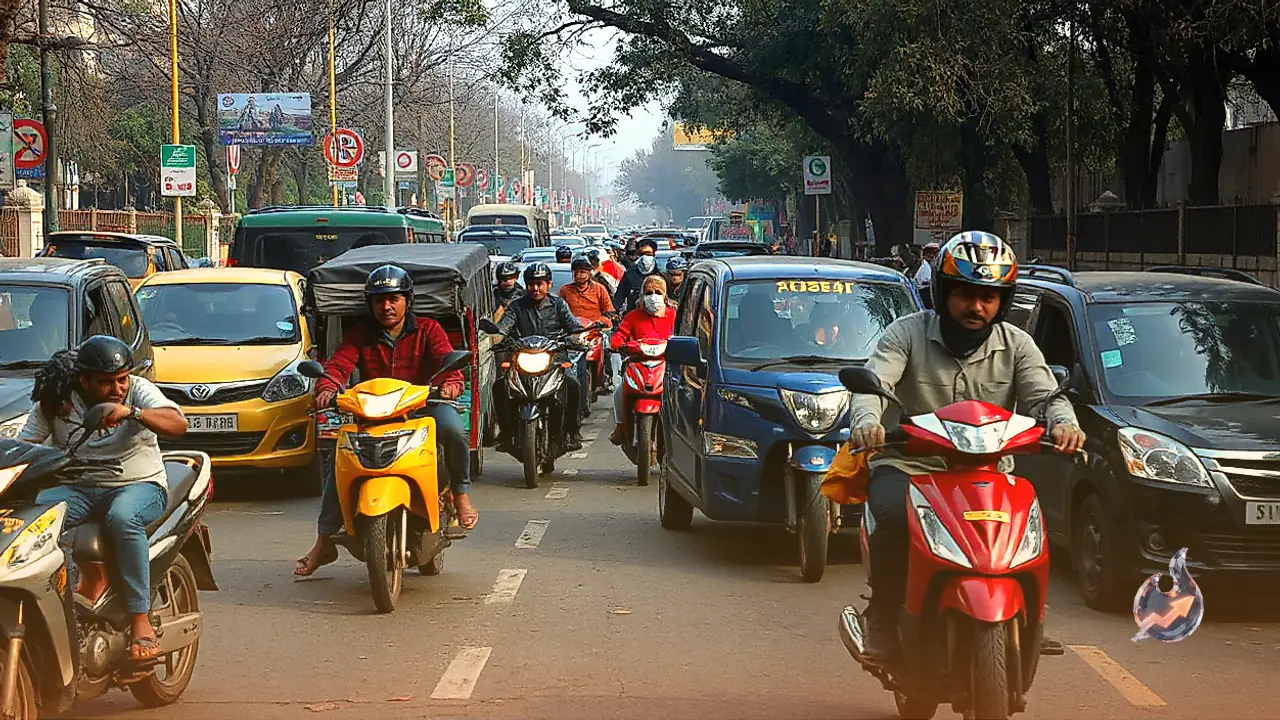















To tackle the alarming rise in winter pollution and improve the air quality across the national capital, authorities have enforced stringent measures. The Delhi government has officially announced through its winter action plan that the entry of non-BS6 vehicles will be completely restricted starting November 1, 2026. This strict ban applies directly to all petrol and diesel vehicles registered outside Delhi that fail to comply with the Bharat Stage-6 emission standards. This regulatory arrangement will remain firmly in place until January 31, 2027, while the broader winter action plan will continue its operations through February 28, 2027.
Targeting Vehicular Emissions to Clean Capital Air
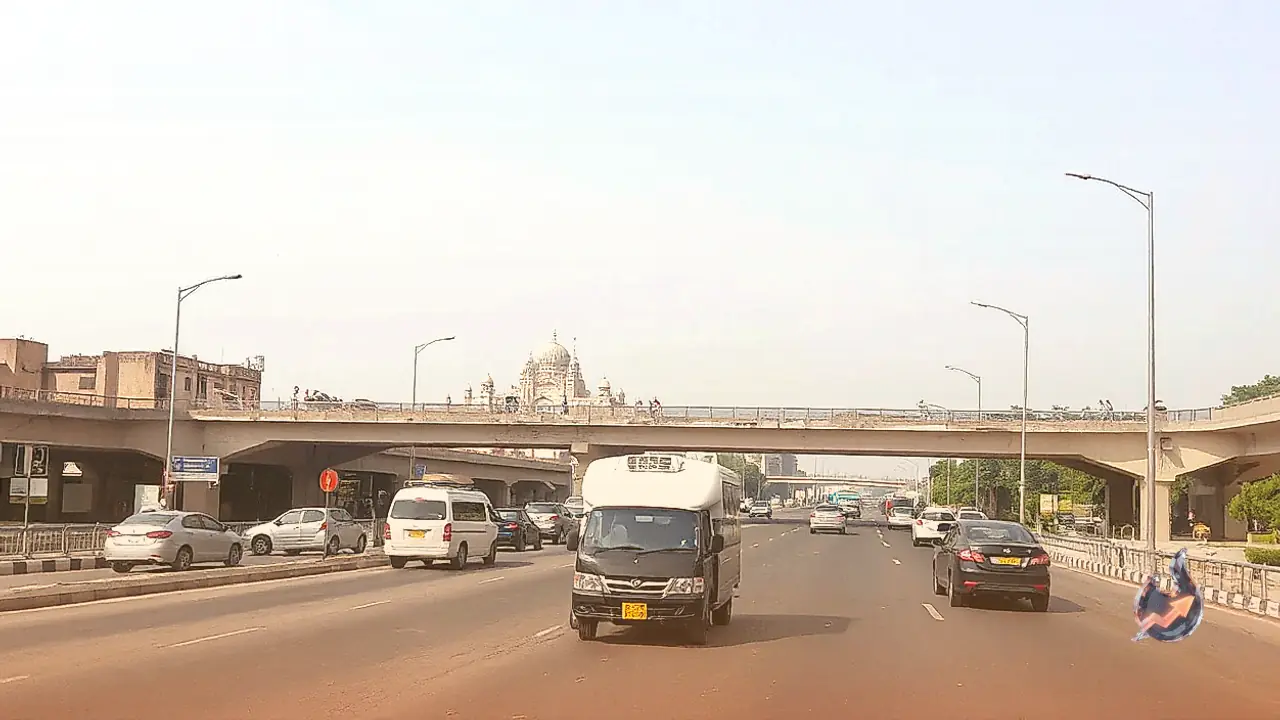
The decisive step has been taken specifically to uplift the capital's deteriorating air quality index and minimize heavy vehicular emissions. As a direct consequence, millions of commuters traveling daily from neighboring NCR cities such as Gurugram, Faridabad, Noida, Greater Noida, and Ghaziabad will face substantial disruptions. However, electric vehicles and CNG-powered transport engaged in essential operations have been granted exemptions from these restrictions. Furthermore, the stringent no PUC, no fuel directive will be rigorously enforced at all retail fuel stations across the region to penalize non-compliant motorists.
Scope of the Ban on Outstation Vehicles
Non-BS6 petrol and diesel vehicles holding registrations outside the borders of Delhi will no longer be permitted entry into the capital territory. According to preliminary administrative estimates, more than 10 million vehicles across the National Capital Region could potentially face the impact of this ruling. Specifically, Gurugram and Faridabad account for roughly two million such older vehicles, while Noida and Ghaziabad host approximately four million each. It is worth noting that vehicles officially registered within the geographical boundaries of Delhi itself are entirely exempt from this specific entry prohibition.
Exemptions and Enforcement Mechanisms
Authorities have outlined clear exemptions for electric vehicles, CNG transport units, and critical emergency services including ambulances, fire tenders, and active police vehicles. External vehicles that fully meet the prescribed BS6 standards will also retain the freedom to enter the city without facing hindrances. Starting November 1, fuel stations across Delhi will refuse to dispense petrol, diesel, CNG, or LPG to any vehicle failing to present a valid Pollution Under Control certificate, with automated ANPR cameras deployed extensively at checkpoints to monitor violations.
Stricter Parking Fees and Workplace Guidelines
Alongside vehicle entry curbs, municipal parking facilities have doubled their standard parking fees to discourage private vehicle usage. Office timings across establishments will be standardized, and a 50 percent work from home mandate will be activated to lower daily traffic congestion. Construction and demolition activities will face heightened surveillance to keep airborne dust under strict control. Residents owning vehicles rated below the BS6 threshold are advised to make alternative travel arrangements well in advance to avoid penalties and inconveniences.