






















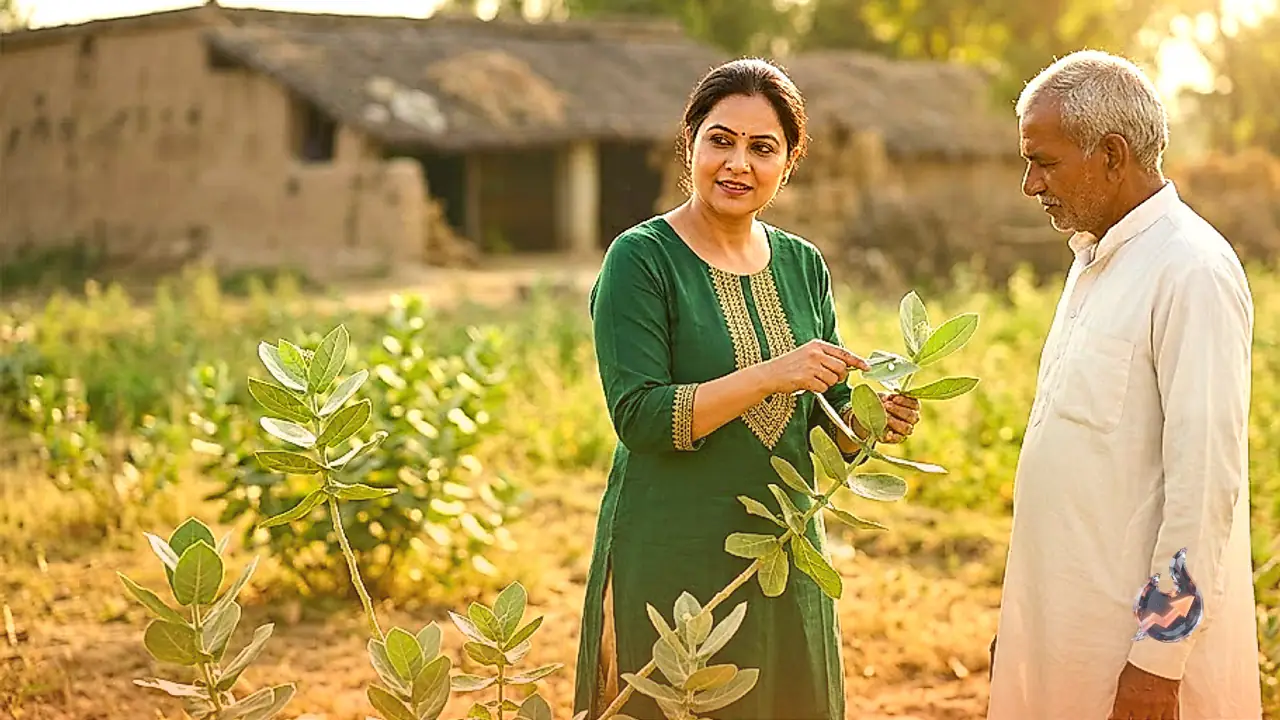

Easily found across rural landscapes, the madar or aak plant is widely recognized for its medicinal properties. Thriving effortlessly on farm boundaries, barren plots, and roadside edges, this resilient plant plays a significant role in traditional practices. In Ayurveda, its leaves, flowers, roots, and bark are utilized for various traditional remedies. However, because its milky sap is toxic, using any part of the plant should always be done under professional guidance.
A common wild growth across villages
Madar is a hardy wild shrub known by different regional names such as aak or akoua. It grows naturally without requiring special maintenance and can survive for years. Beyond its cultural and religious significance, it holds a distinct position in traditional herbal systems.
Its special significance in traditional medicine
Various parts of the madar plant are incorporated into traditional herbal preparations. According to experts, its leaves are valued for managing pain and swelling, while its flowers and roots are integrated into multiple herbal formulations.
Applications for joint pain and inflammation
Traditional practices often suggest warming madar leaves slightly and tying them onto affected areas to alleviate joint pain and swelling. While this method is believed to offer relief, practitioners emphasize that it should only be attempted under expert supervision.
Use in dermatological care and associated risks
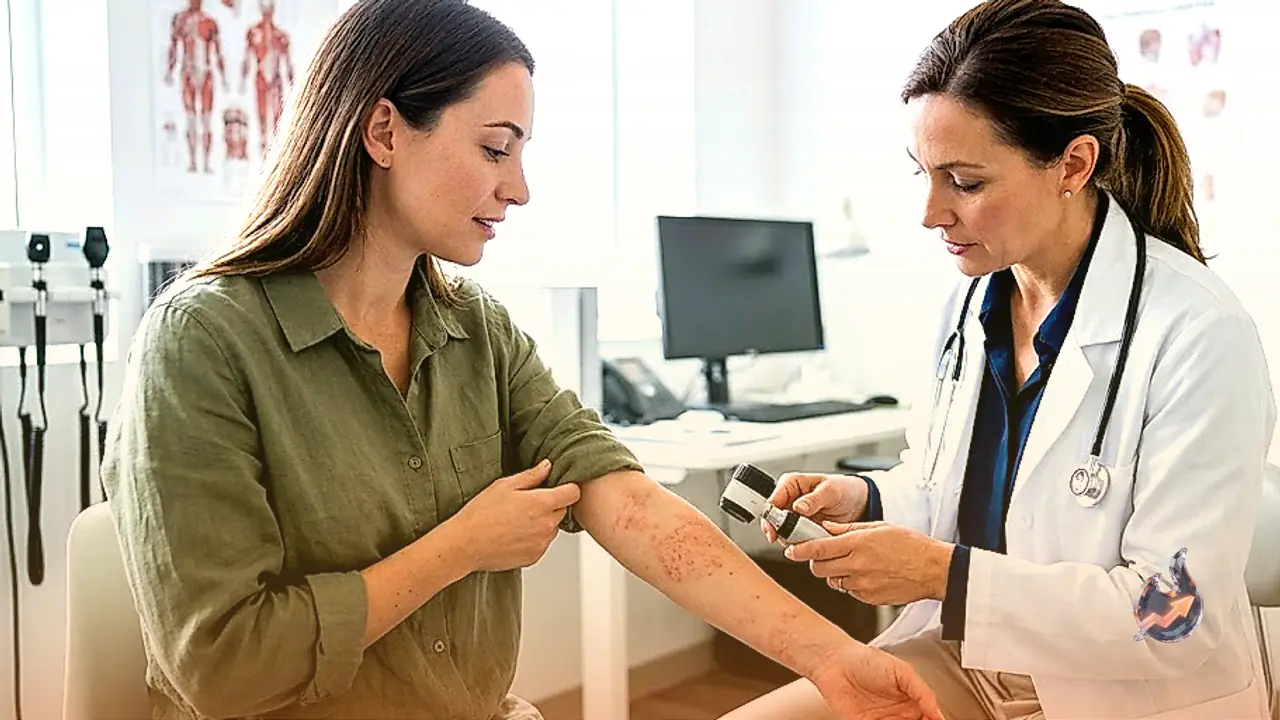
Ayurvedic traditions also utilize the bark, leaves, and other components of madar for certain skin conditions. Experts caution that these treatments require precise methods and professional advice. The plant secretes a toxic milky fluid that can trigger severe burning, itching, or allergic reactions if it comes into direct contact with the skin, making medical consultation mandatory before application.
Role in digestive and respiratory formulations
The roots and flowers of madar form part of several traditional formulations aimed at balancing digestive functions and addressing respiratory issues. Despite these benefits, self-medication is strongly discouraged. Incorrect dosages or improper preparation can cause adverse health effects, making consultation with a qualified practitioner essential.
The hazards of the toxic milky sap
The most sensitive component of the madar plant is its white milky latex. Contact with the eyes or sensitive skin can cause irritation and injury, meaning the plant should never be handled without adequate knowledge.
Why expert consultation is indispensable
Although madar possesses notable therapeutic value, improper use can prove harmful. Anyone considering its use for managing health conditions must consult a qualified physician or herbalist beforehand to ensure safety.