























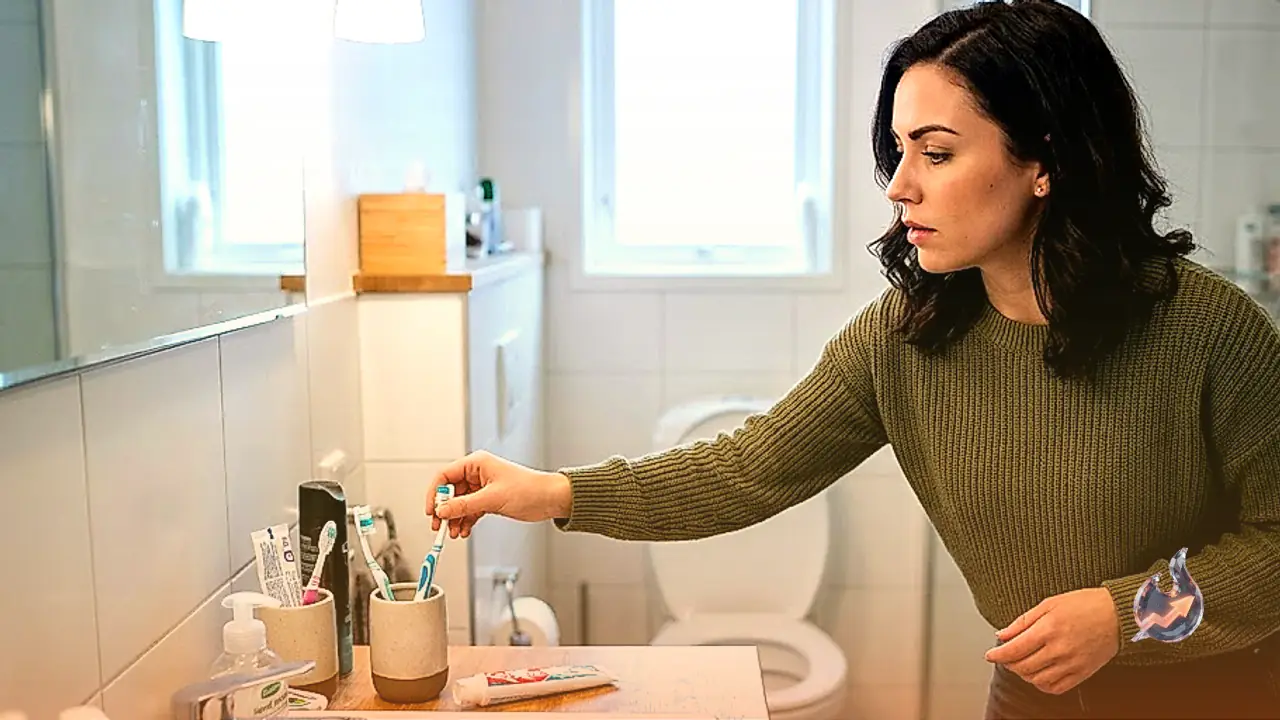

Starting the day with a clean oral hygiene routine is a standard daily habit, yet the placement of a toothbrush inside the bathroom is something very few people give serious thought to. After brushing in the morning, most individuals simply rest their toothbrush on the edge of the washbasin and move on with their day. However, the exact spot where a toothbrush is stored plays a decisive role in its overall cleanliness and microbial exposure. In modern homes, particularly those with compact bathroom layouts, the washbasin, shower enclosure, and toilet commode are situated in very close proximity to one another. Leaving a toothbrush exposed to the open air in such tight spaces can inadvertently compromise personal hygiene.
Microbial Risks Surrounding the Bathroom Sink
Placing a toothbrush right beside the washbasin appears convenient, but it is rarely the most hygienic choice. The immediate environment surrounding a bathroom sink is constantly subjected to water splashes, liquid soap residues, and elevated humidity levels. When a toothbrush rests directly on or near the sink rim, it remains in a damp microclimate that supports microbial accumulation. More critically, if the sink is located right next to or opposite the toilet commode, flushing the toilet creates invisible microscopic droplets and fine aerosol plumes. These airborne particles can easily drift across short distances and settle directly onto exposed toothbrush bristles.
Practical Steps to Shield Your Brush From Contamination
To safeguard your oral care tools, the first fundamental adjustment is to maximize the physical distance between your toothbrush and the toilet commode. In smaller bathrooms where structural space is restricted, storing the toothbrush directly on an open sink ledge should be strictly avoided. Instead, position the brush holder on a higher wall-mounted shelf or a clean, dry surface away from direct splash zones. Alongside physical separation, adopting one simple daily habit makes a massive difference: always close the toilet lid before pressing the flush button. Closing the lid acts as a physical barrier, significantly suppressing the escape of aerosolized moisture particles into the surrounding bathroom atmosphere.
Creating Ideal Storage Conditions for Toothbrush Bristles
An ideal storage arrangement is one that allows the toothbrush to dry rapidly through natural air circulation. Toothbrushes belonging to different family members should be placed in a holder that keeps them physically separated, preventing the bristles from touching and cross-contaminating one another. Immediately after brushing, rinse the toothbrush thoroughly under clean running water, tap off all excess water droplets, and store it vertically in an upright position. A frequent mistake is placing a wet brush inside a plastic protective cap or sealed container immediately after use. While protective caps are useful for travel to shield bristles inside luggage, using them daily on damp bristles traps moisture inside an airtight space, dramatically slowing down the drying process and creating an ideal environment for bacteria to multiply. At home, bristles must be allowed to air-dry completely in the open air.
Evaluating Bathroom Cabinets and Replacement Schedules
Enclosed bathroom medicine cabinets may look neat and organized, but they are not automatically a healthy choice for toothbrush storage. If a cabinet lacks proper ventilation and retains internal moisture, keeping a damp toothbrush inside it can foster stagnant, humid conditions. Cabinets should only be utilized for toothbrush storage if they are thoroughly clean, completely dry, and feature adequate airflow. Beyond selecting the right storage spot, paying attention to the physical condition of the toothbrush itself is equally essential. As a general rule, a toothbrush must be replaced as soon as its bristles begin to splay, bend, or show signs of mechanical wear. Maintaining a clean storage area, ensuring proper drying, and routinely updating your brush will significantly elevate your everyday oral health care.
Elevating Daily Oral Health Through Simple Storage Habits
Ultimately, oral hygiene extends far beyond choosing a good toothpaste or brushing technique. Because a toothbrush is an instrument that enters your mouth twice every day, its storage spot requires careful attention to remain dry, sanitary, and well-distanced from toilet facilities. Relocating your toothbrush to a dry, elevated, and well-ventilated spot is a minor lifestyle tweak that delivers substantial long-term health benefits.