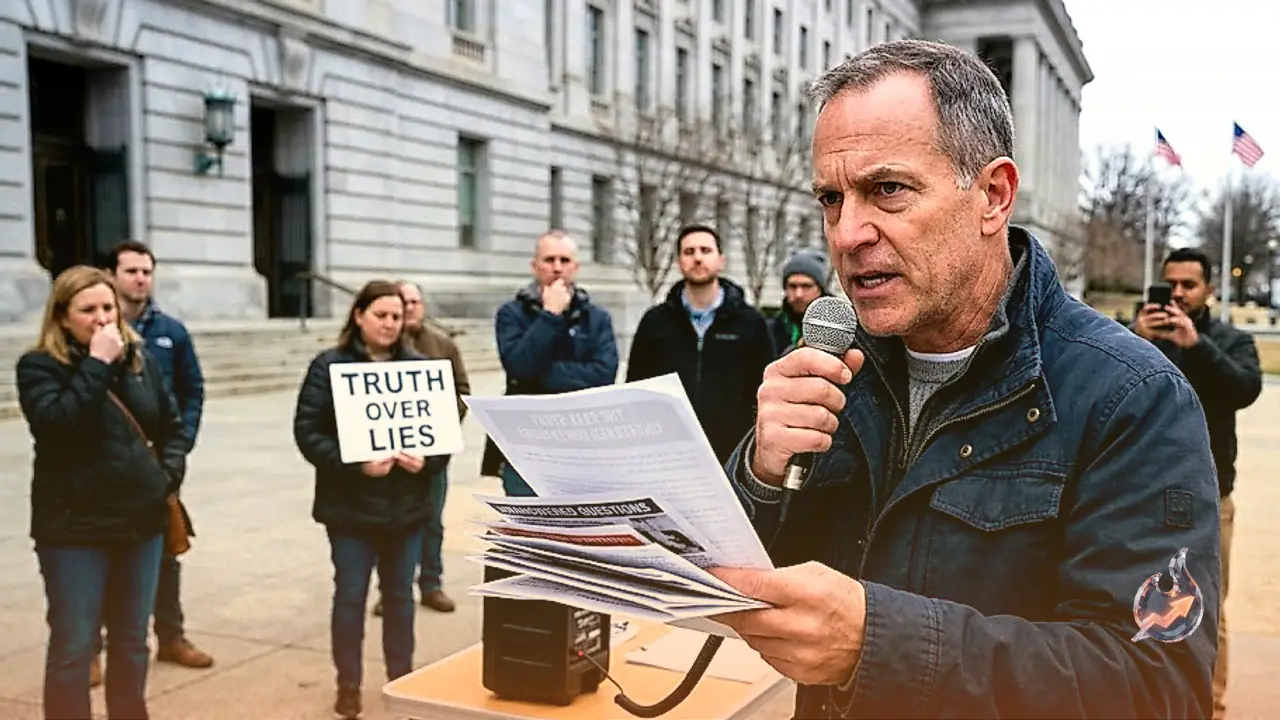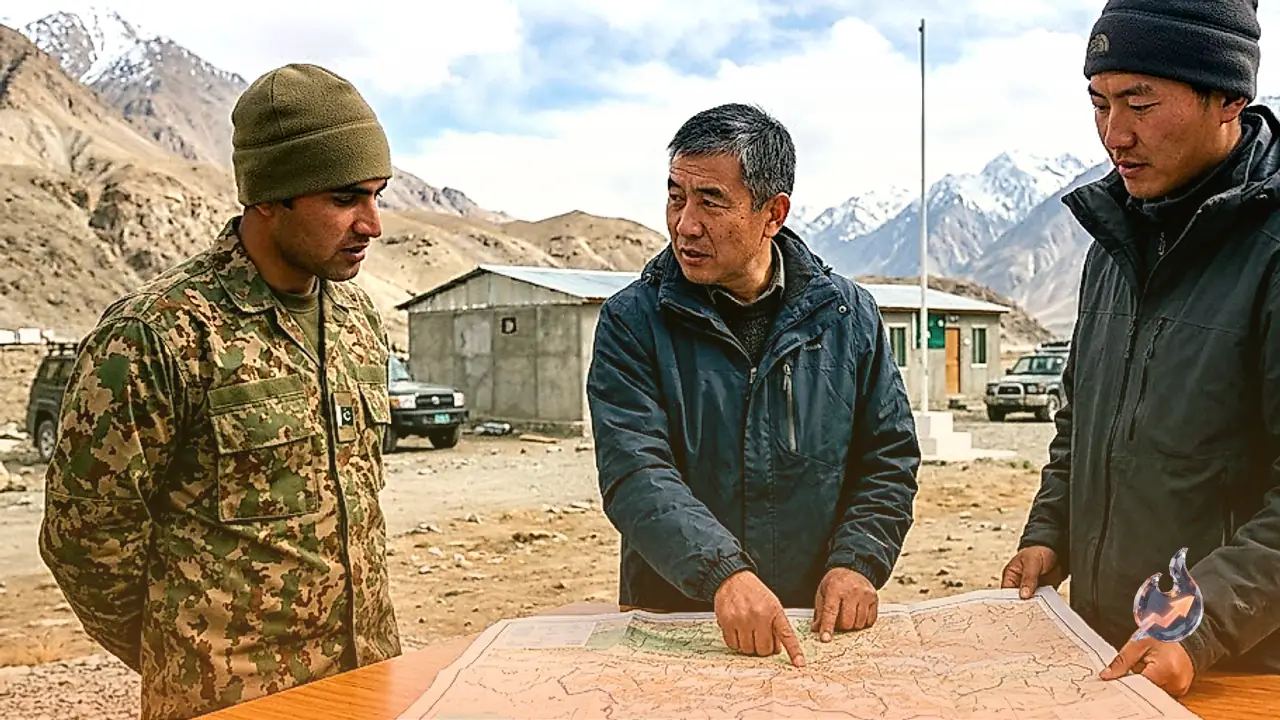





















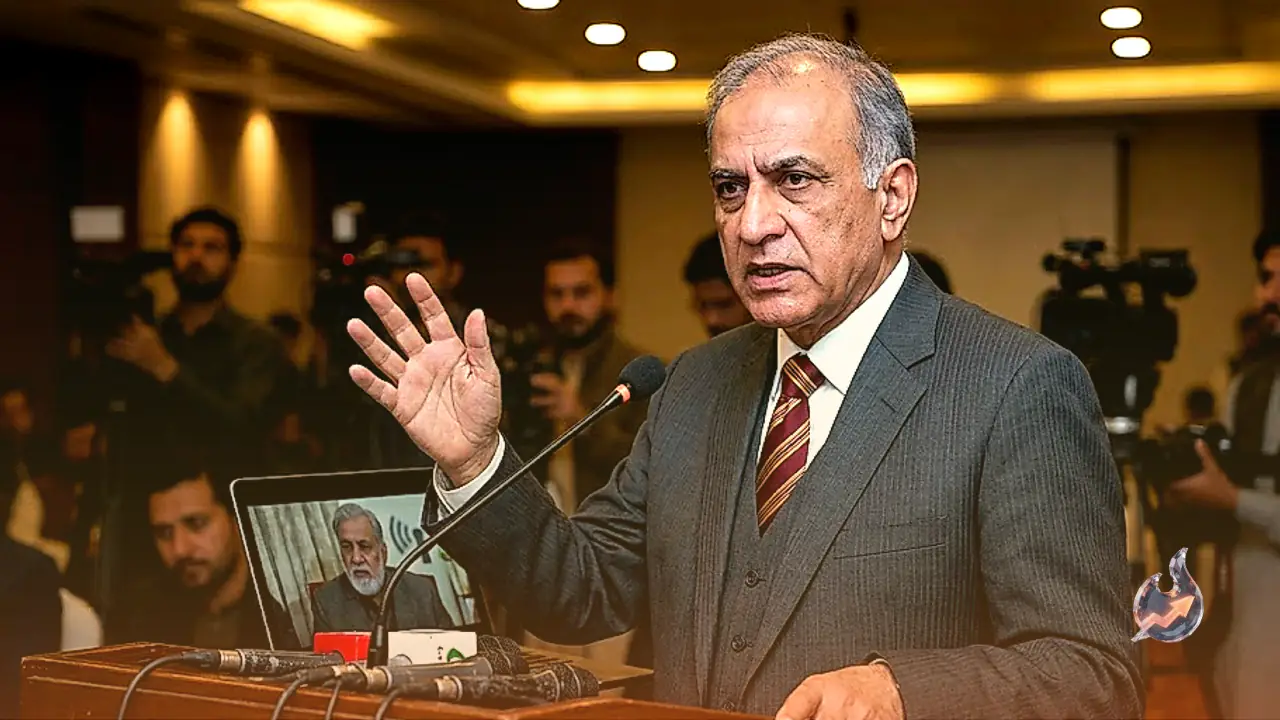

The unexpected release of a social media video featuring Lashkar-e-Taiba operative Rizwan Hanif addressing a gathering in Pakistan has ignited intense discussion over a series of mysterious assassinations inside Pakistani territory. In the recording, Hanif asserts that more than 30 members belonging to Lashkar-e-Taiba have been targeted and killed across multiple cities in Pakistan since the year 2020, attributing these eliminations to Indian intelligence operatives. Because militant formations operating out of Pakistan almost never acknowledge their internal casualties or security breaches in public forums, this open confession marks an extraordinary departure from their traditional posture of silence.
Mounting Anxiety, Internal Frustration, and Strategic Objectives
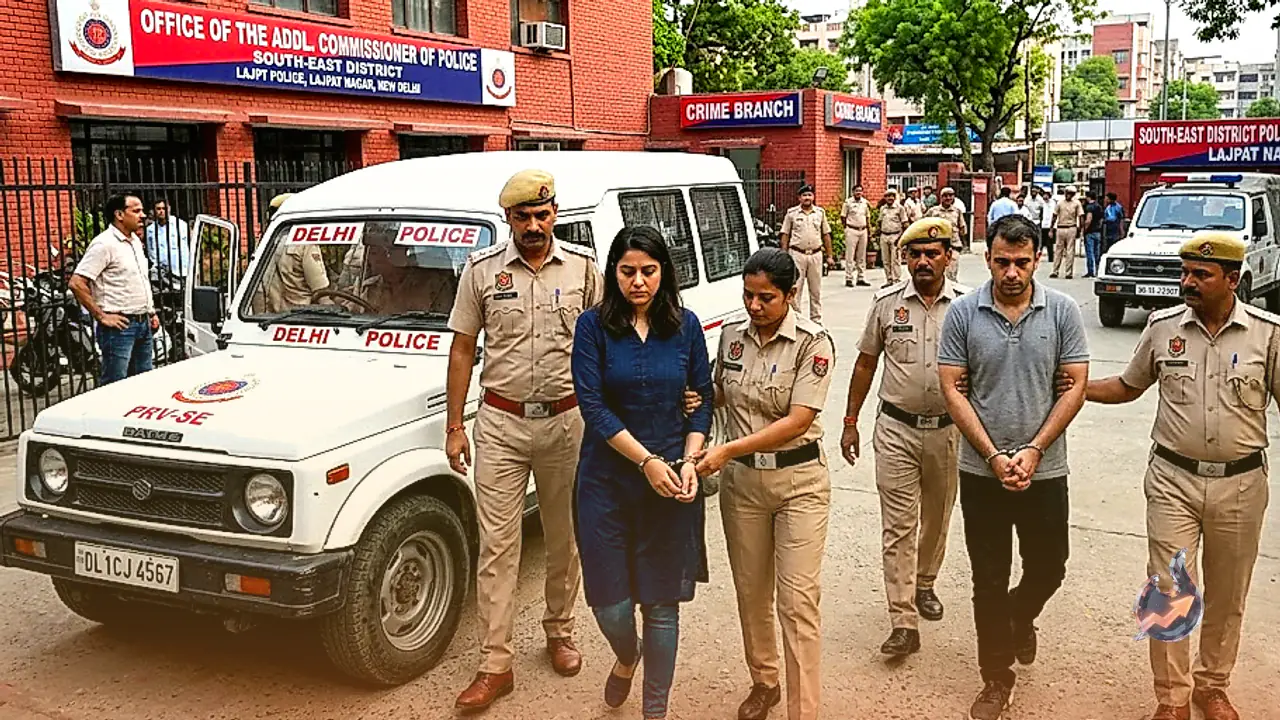
To evaluate why a senior operative would break protocol and broadcast such significant losses publicly, analytical perspectives offer crucial insights. Professor Mohsin Raza Khan from OP Jindal Global University indicates that the public statement likely stems from deep-seated anger, fear, and growing panic within the organizational framework. Despite the deaths of over 30 Lashkar-e-Taiba personnel over a four-year span starting in 2020, Pakistani law enforcement agencies have failed to publicly identify or apprehend any suspects involved in these attacks.
According to Professor Khan, broadcasting these losses serves two distinct internal purposes. First, the leadership may be attempting to rebuild morale among lower-level cadres who feel increasingly vulnerable. Second, the public disclosure acts as an explicit demand directed at Pakistani authorities, pushing them to step up security measures and initiate decisive protective actions for militant networks. Professor Khan also raised the secondary possibility that certain elements within the Pakistani security establishment might have permitted the video to circulate, although he emphasized that no concrete proof supports official backing. Consequently, rising frustration within the militant rank and file remains the most plausible explanation for the video.
Transitioning from Isolated Incidents to an Overarching Pattern
While individual reports of attacks against militant figures inside Pakistan have emerged intermittently since 2020, the recent viral video has fundamentally shifted public perception. Rather than viewing each event as an isolated crime, observers are now evaluating these incidents as part of a coordinated, sustained campaign. The phenomenon became increasingly prominent after 2021, spanning multiple provinces and involving several distinct armed networks, which demonstrates that the occurrences extend far beyond a single city or region.
Two specific, widely reported assassinations have drawn significant attention within this broader context. The first involved Shahid Latif, a high-profile figure who was gunned down near a mosque in Sialkot. The second case centered on Hanzla Adnan, who was shot and killed in Karachi shortly after being publicly highlighted as a prominent militant figure. By directly linking these killings and claiming a common origin, Rizwan Hanif's video has brought a long-simmering quiet debate back to the forefront of national and international security discussions.
Analyzing Internal Factional Feuds Versus External Action
When assessing the causes behind these mysterious eliminations, experts emphasize that internal rivalries within militant networks cannot be ruled out. Professor Mohsin Raza Khan notes that when militant organizations experience extended periods of operational inactivity, internal cohesion often degrades. This prolonged dormancy frequently leads to severe ideological disputes, leadership squabbles, and intense conflict over shrinking financial resources.
Such friction can escalate dramatically when funding channels dry up or when rival commanders clash over authority. Under these high-pressure conditions, different factions inside Lashkar-e-Taiba or neighboring militant groups might turn against one another to secure dominance or settle old scores. However, Professor Khan cautions that because no comprehensive, independent investigations have been conducted into these specific killings, the internal feud hypothesis remains an unverified analytical theory rather than a confirmed fact.
Diplomatic Standoff Between Islamabad and New Delhi
The political and diplomatic fallout surrounding these killings has generated sharp friction between neighboring governments. The Pakistani government has consistently claimed that foreign intelligence services are orchestrating targeted killings against individuals on its soil. This official campaign reached its highest point in early 2024, when Pakistan's Foreign Ministry held a formal press briefing in January 2024, explicitly accusing India of carrying out targeted assassinations inside Pakistani territory.
During that announcement, Islamabad claimed to possess evidence establishing a sophisticated foreign-led assassination campaign and stated its intention to raise the matter across international diplomatic platforms. In response, India firmly rejected all allegations, stating that Pakistan had failed to provide any credible or verifiable evidence to support its claims. The dispute remains completely unresolved, with no joint investigative body formed to examine the incidents.
Why Unconfirmed Assassinations Continue to Recur in Security Debates
Even in the absence of official confirmation or solved police investigations, these killings continue to dominate national security discussions. Analysts note that intelligence debates frequently begin long before official state inquiries yield definitive conclusions. The consistency in execution, precision in timing, selection of high-value targets, and geographical breadth across Pakistani provinces continue to fuel widespread speculation regarding the mechanics of the unknown gunman model.