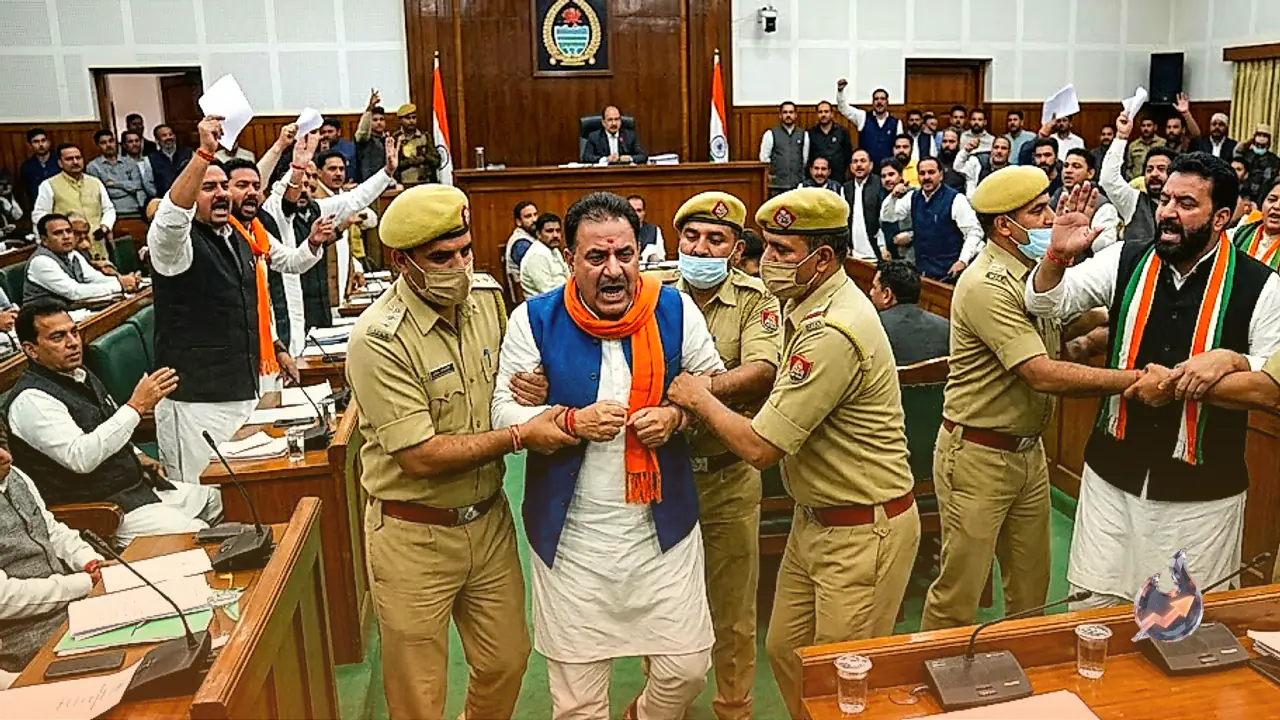
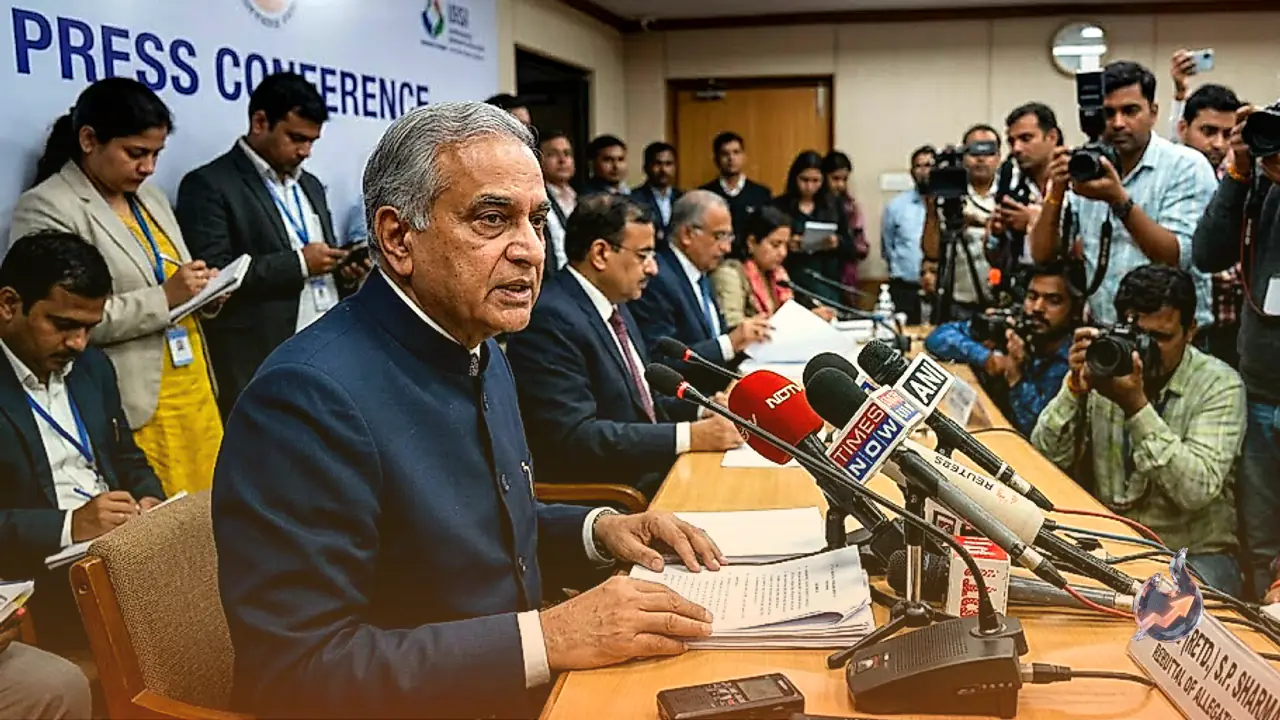



















Jammu and Kashmir Chief Minister Omar Abdullah took a sharp swipe at the Bharatiya Janata Party on Tuesday over talks suggesting a Padma honour for Chief Election Commissioner Gyanesh Kumar. Speaking to reporters on the sidelines of a buyer-seller meet in Srinagar, Abdullah remarked that offering a third-tier civilian award to an official who delivered political gains in West Bengal was an injustice, suggesting instead that the highest national recognition would be more fitting for the service rendered.
Sarcastic Remark Over Civilian Honours
Targeting the ruling dispensation with biting irony, Abdullah questioned why the discussions were halting at a Padma Bhushan when the official could directly receive the Bharat Ratna. Pointing to the upcoming presidential election due in a couple of years, he suggested elevating Kumar to the presidency instead. Abdullah stated that Kumar had effectively gifted West Bengal to the party, making any lesser recognition appear severely inadequate in light of what transpired politically.
Calls for Election Commission Introspection
Moving beyond political barbs, the Chief Minister urged the Election Commission of India to engage in deep introspection regarding its credibility and procedural integrity. He stressed that the opposition's collective distrust does not stem from thin air or partisan rivalry. Abdullah highlighted that the evidence underpinning these serious questions was not fabricated by opposition leaders, but rather uncovered through an investigative journalistic inquiry conducted by a newspaper. He asserted that institutional leadership should focus on rectifying systematic lapses rather than sweeping mounting concerns under the carpet, ensuring that such damaging controversies do not arise again.
Future Elections and Foreign Policy Stance
When questioned about the potential political landscape of the Union Territory for the 2029 assembly elections, Abdullah dismissed the speculation as premature. He observed that 2029 remains far off on the horizon, noting that governance and politics must first navigate the calendar years of 2026, 2027, and 2028 before anyone begins strategising about distant electoral cycles.
Addressing diplomatic matters, Abdullah backed External Affairs Minister S. Jaishankar regarding the recent thaw and engagement between India and China. Reflecting on the aftermath of the Galwan clashes, Abdullah recalled how bilateral ties had hit rock bottom, marked by public boycotts where citizens were urged to discard Chinese television sets from their balconies. He noted that moving from total estrangement to direct dialogues and productive high-level meetings represents a welcome step forward. Reiterating his party's long-standing position, he affirmed that maintaining healthy ties with neighbouring countries directly benefits India's national interest, cautioning that deteriorating regional relations, as seen with Bangladesh and other unnamed regional states, highlight the urgent need for sound diplomacy.