























Escalating fuel prices and the steep purchase costs of standard motorbikes are steering budget-conscious daily commuters toward electric two-wheelers. Demand is visibly picking up across rural belts and small towns where household electrical supply has become steady and dependable. The broader market for these battery-operated scooters is currently segmented into two clear paths. On one side are high-end models from prominent national manufacturers featuring premium aesthetic designs, expensive chassis materials, and sophisticated digital suites. On the other side sits the practical and budget-friendly utilitarian segment, where upfront buying prices remain low and future maintenance costs stay exceptionally modest. For riders needing a reliable daily runabout without straining their finances, new outlets are opening across Jharkhand, including a dedicated retail facility in Palamu.
New Retail Outlet on Ranchi Road Expands Commuter Options
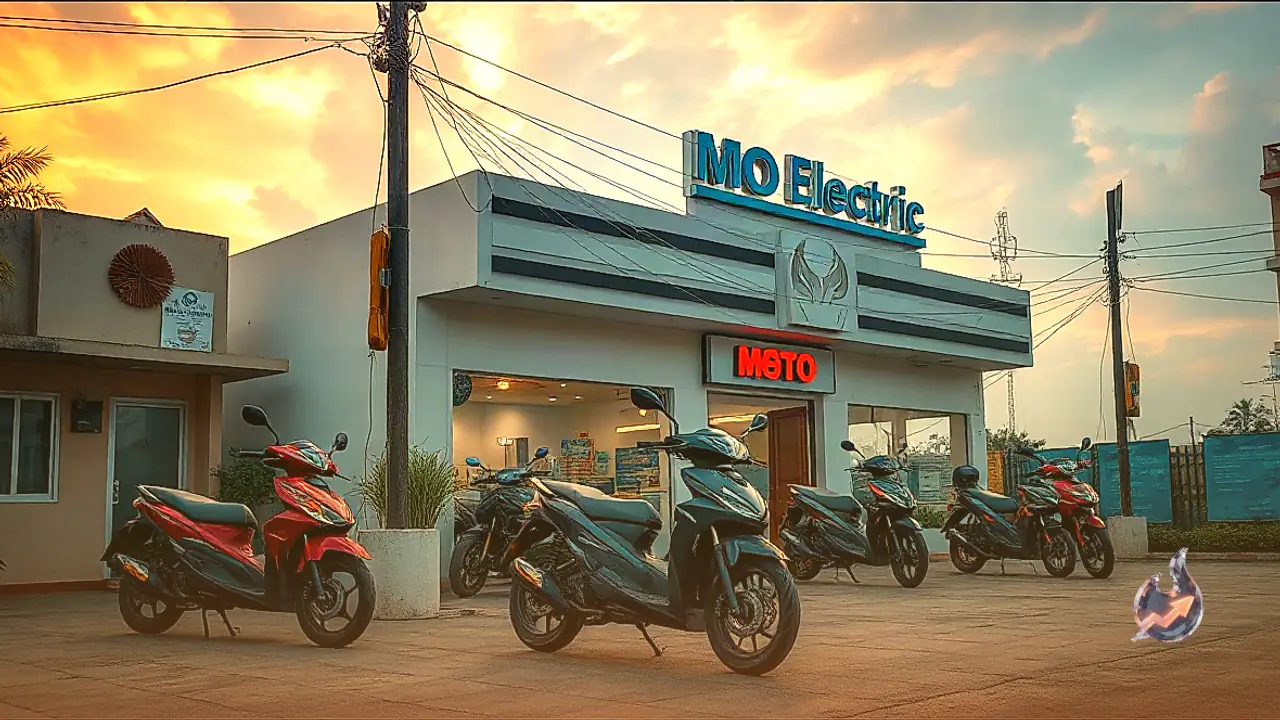
Located along Ranchi Road in Palamu district, a newly opened retail outlet under the MO Electric banner has introduced multiple scooter variants for local customers. According to showroom operator Abhishek Tiwari, the price range at this sales point commences at approximately 45 thousand rupees for the introductory model. The brand operates out of Delhi and handles its own localized manufacturing processes. Building parts directly under proprietary production enables the brand to keep pricing strictly controlled. Tiwari pointed out that companies relying on sourcing pre-built components from third-party vendors merely to assemble and retail them inevitably pass on heavier overheads, resulting in significantly higher final price tags for consumers.
Core Performance Specifications and Braking Capabilities
Despite positioning itself squarely in the entry-level bracket, the baseline model provides practical road capability for urban commuting. Operational details shared by the management note that the 45-thousand-rupee variant delivers an estimated riding range of around 60 kilometers on a single battery charge. The vehicle can reach a top operating speed of approximately 45 kilometers per hour, which fits standard town conditions. The instrument cluster incorporates a clear digital meter to monitor vital statistics on the move. For dependable stopping capability, the design incorporates a responsive disc brake assembly on the front wheel, alongside a conventional drum brake setup fitted to the rear on select versions.
Lead-Acid Battery Architecture and Warranty Protection
Explaining the technical architecture of the budget lineup, Abhishek Tiwari detailed that the entry models rely on conventional lead-acid battery packs. The battery comes backed by a standard one-year warranty period. In the event of battery malfunction during this active warranty duration, the customer is eligible for a replacement unit subject to specified terms and conditions. Because these vehicles eliminate the complex internal combustion engine along with standard engine oil, spark plugs, and mechanical drive chains, routine servicing requirements remain relatively negligible over regular daily use.
Upper Variants Deliver Extended Range and Cruise Control
In addition to the entry-level commuter edition, the Palamu outlet also houses mid-tier and flagship variations tailored for diverse travel needs. As buyers climb up the price spectrum, both feature sets and overall performance metrics scale accordingly. Tiwari highlighted that select high-end editions even incorporate cruise control functionality to ease longer uninterrupted commutes. Across the entire showroom catalog, riding range begins at roughly 60 kilometers and reaches up to 120 kilometers in top configurations. Nevertheless, the final real-world mileage realized by riders will fluctuate based on local road surfaces, total vehicle load, personal driving habits, and prevailing battery health.