




















In Palamu, agricultural practices are undergoing a significant transformation as the increasing scarcity of water and limitations of traditional irrigation resources make drip and sprinkler systems an invaluable asset for farmers. By embracing these modern agricultural technologies, farmers are now able to achieve superior crop yields even while using considerably smaller amounts of water. One of the standout features of this modern irrigation setup is the built-in facility to deliver fertilizers directly alongside water, ensuring that plants receive both moisture and vital nutrients simultaneously, which drastically improves their overall growth and health.
Water and Nutrients Reaching Roots Directly
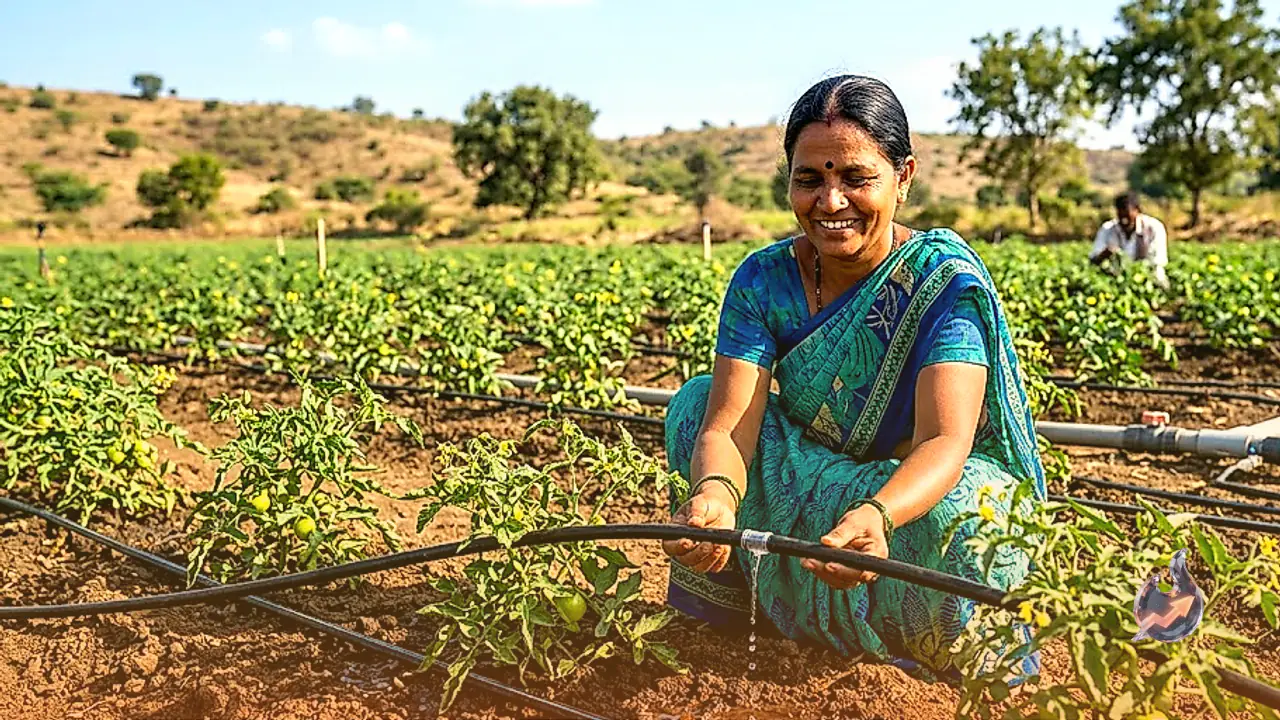
Agricultural scientist Vinod Pandey shared insights explaining that farmers can leverage these modern setups by acquiring government grants and subsidies. Under this initiative, cultivators can take advantage of both sprinkler and drip configurations. Drip irrigation utilizes a specialized setup through which water-soluble fertilizers can be mixed directly with water and transported straight to the crops. For farmers engaged in cultivating vegetables and horticultural crops, drip irrigation is considered particularly advantageous. Through this system, water reaches the immediate vicinity of the plant roots, which minimizes water wastage and maintains the necessary soil moisture levels consistently.
Optimizing Fertilizer Use Through Fertigation
This exact framework also allows for fertigation, which is the practice of supplying fertilizers alongside irrigation water. Through this scientific approach, fertilizers are utilized efficiently, ensuring that plants receive nutrients precisely according to their requirements. Many farmers still practice traditional flood irrigation, where excess water is pooled across entire fields. However, not every crop requires such massive volumes of water. Over-irrigation not only leads to severe water wastage but also poses risks such as damaging plant roots and increasing various crop cultivation problems. In contrast, modern techniques like drip and sprinkler systems deliver water in a measured and controlled manner directly to the crops.
Significant Reduction in Weed Complications
Another major advantage of drip irrigation is that the issue of weeds is relatively reduced. Because water is delivered primarily around the root zones of the plants rather than spreading across the entire field, unwanted weeds struggle to grow in dry areas. This ensures that the primary crops receive adequate moisture and nutrition, allowing them to grow much more effectively. Especially in vegetable and horticultural farming, this technology can prove exceptionally helpful for farmers looking to boost overall production and lower operational costs.
Substantial Government Support and Subsidies
To actively promote micro-irrigation, the government provides subsidy facilities to farmers under various schemes and programs. Eligible farmers can receive up to 90 percent subsidies on the procurement and installation of sprinkler and drip systems, subject to official rules and scheme conditions. Farmers can visit their local agriculture or horticulture department offices to gather complete information regarding the scheme and submit their applications. By adopting these modern irrigation technologies, farmers can practice advanced farming with minimal water and take a major step forward in increasing their overall income.