























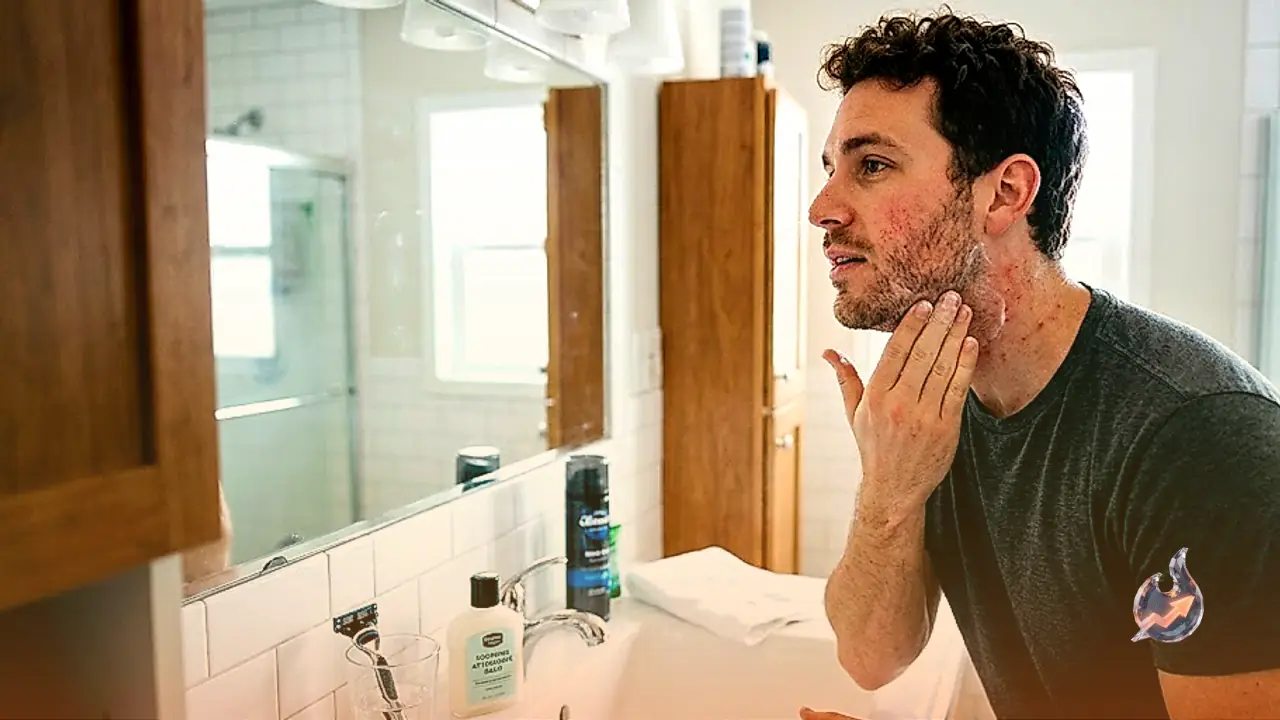

Experiencing stinging irritation, prominent redness, or sudden clusters of tiny pimples right after grooming facial hair is a frequent trouble for many. Individuals with sensitive complexions encounter these discomforts even more severely. Most of these grooming complications stem directly from three widespread missteps: running a razor across dry skin without adequate preparation, dragging blades over pre-existing blemishes or inflamed patches, and persistently relying on dull, worn-out, or oxidized blades.
Proper Facial Preparation Before Beginning the Shave
Laying the right groundwork before blade touches skin is an indispensable defense against irritation. Splashing and thoroughly wetting the entire facial area with room-temperature or gently lukewarm water for around 7 seconds softens coarse stubble effectively. This swift hydration eases the razor's glide across the surface. Immediately follow this step by working up a creamy lather using a gentle facial wash or quality shaving soap, coating the beard thoroughly to maintain continuous moisture and pliability.
Map Grain Direction and Manage Razor Motion
Before launching into strokes, determine the exact pattern in which facial hair sprouts. Gently brush the palm of your hand across the bearded contours in upward and downward sweeps. Whichever direction offers noticeable resistance and coarseness represents shaving against the grain, while the smooth-flowing path indicates the natural direction of hair growth.
Always initiate trimming along this natural downward growth path. Guide the razor employing very light downward pressure through short, controlled passes rather than lengthy drags. Rinse the blade head under running water after every single stroke to wash away clogged lather and debris. Above all, steer clear of passing the razor over the exact same spot 3 to 4 times consecutively, as that repeated abrasive friction strips epidermal layers, provoking fierce burning sensations and stubborn redness.
Never Compromise on Fresh, Sharp Blades
Each grooming session demands a thoroughly clean, sharp, and damage-free cutting edge. Blunt or aged blades tug aggressively at hair follicles rather than slicing cleanly through them, directly causing microscopic cuts, pulled hairs, and painful ingrown flare-ups. Maintaining proper hygiene across the entire razor mechanism between uses is equally vital for keeping harmful surface pathogens at bay.
Navigating Sensitive Areas and Active Blemishes
Whenever active acne, razor rash, or broken skin already exists, glide the tool with delicate precision over those zones. In many circumstances, skipping the irritated patch entirely for a brief period proves far wiser, allowing the barrier time to mend. Forcing razor pressure onto already distressed skin guarantees worsened inflammation and spreads potential contamination across surrounding pores.
Leave the Neck Region for the Very Final Step
Hair around the neck and lower throat frequently grows in shifting, unpredictable angles. Because of these irregular patterns, the neck zone remains highly susceptible to painful nicks and persistent razor burn. Addressing this sensitive section at the very end of your routine allows steam and lather maximum time to soften the hairs, ensuring you apply only feather-light pressure across the throat.
Essential Skin Care Steps Following the Shave
Once trimming concludes, splash the face clean using ordinary cool water to clear away residual lather. Apply a soothing post-shave balm or hydrating moisturizer formulated specifically for your skin profile. When drying the face, never aggressively scrub with a coarse towel; gently pat the skin dry with a soft fabric to preserve delicate surface barriers.
The Core Reason Bumps Emerge After Shaving
Shaving with excessive pressure or pushing blades aggressively against the grain often slices hair below the surface at awkward angles. As these shortened shafts attempt to grow back, they occasionally curl inward beneath the epidermal layer rather than emerging outwardly. This phenomenon triggers localized swelling, yielding noticeable red bumps, rash-like clusters, and lingering irritation.