





















A massive and startling case of manipulation regarding subsidized rations meant for the underprivileged has come to light in the Barmer district of Rajasthan. Severe irregularities were uncovered within the distribution framework operating under the National Food Security Scheme. The authorities identified a total of 438 households that allegedly bypassed regulations by altering their eligibility categories to secure benefits under the Antyodaya scheme. While this specific program is primarily designed for the poorest sections of society, these households unlawfully cornered resources meant for those in extreme need.
Extensive Investigation Uncovers Large-Scale Discrepancies
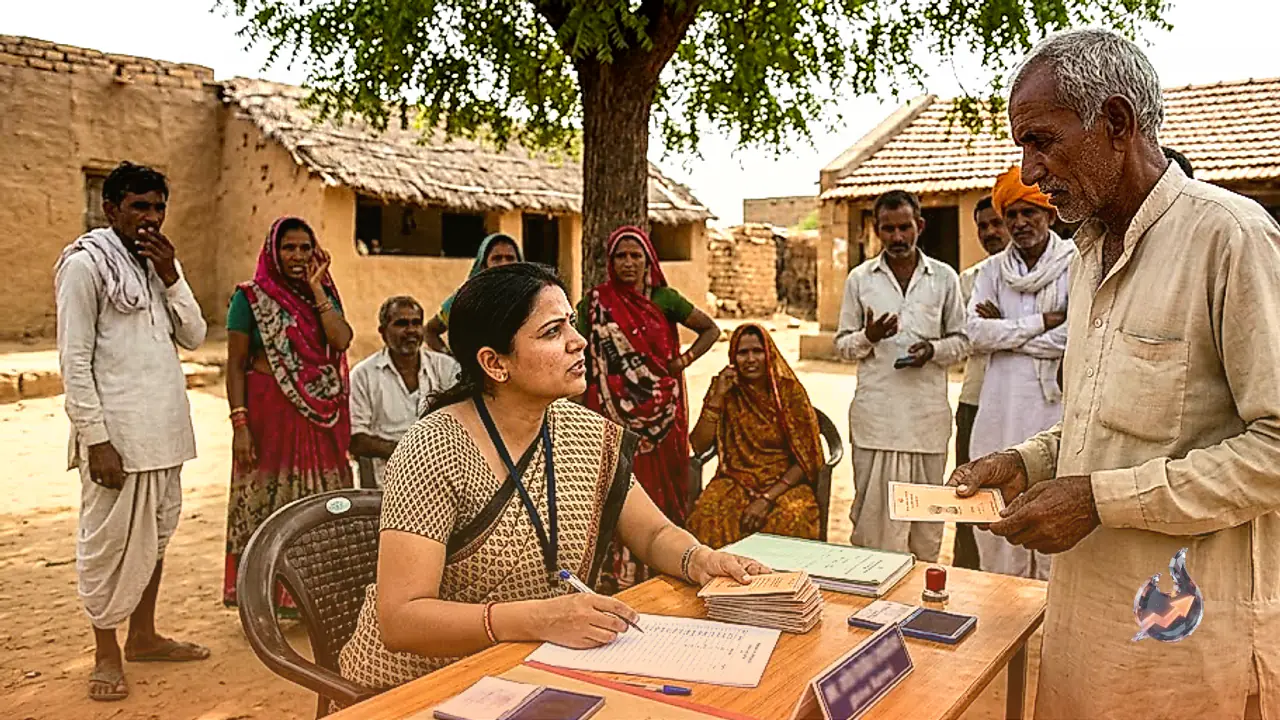
The District Food and Civil Supplies Department recently initiated a detailed verification drive targeting Antyodaya card holders. The primary objective of this audit was to single out individuals availing themselves of government assistance despite being ineligible. The figures compiled in the final report startled department officials. Across the entire district, 438 households were found to have manipulated their category status to wrongfully obtain wheat through the Antyodaya initiative. Acknowledging the gravity of the situation, the department initiated strict proceedings immediately.
Fagaliya and Sedwa Emerge as Hubs of Irregularities
According to the comprehensive report compiled by the supply department, Fagaliya block emerged as the primary epicenter of this scam, with a staggering 113 families illegally drawing rations meant for the destitute. Furthermore, 77 families in Sedwa and 72 in Chohtan came under scrutiny. Looking at other administrative blocks, 52 families in Adel, 22 in Barmer urban, 12 in Barmer rural, 15 in Baytu, 6 in Dhorimanna, 15 in Gadraroad, 18 in Ramsar, and 17 families in Shiv block were found to have received wheat through unauthorized category changes.
Seven-Day Ultimatum and Threat of Criminal Charges
Following the exposure of this widespread manipulation, the district administration and the supply department have shifted into active gear. Barmer District Supply Officer Ashwani Gujjar stated that formal notices have been dispatched to all 438 identified households. Every single one of these recipients has been strictly instructed to furnish valid documents within a span of seven days. If these families fail to present correct credentials within the stipulated timeframe or if subsequent checks reveal persistent discrepancies, formal first information reports will be filed against them.
Recovery at Thirty-Two Rupees Per Kilogram
The punitive actions against ineligible beneficiaries will extend beyond mere legal proceedings, as the administration will also reclaim the monetary value of all the wheat wrongfully consumed. District Supply Officer Ashwani Gujjar confirmed that the families who fraudulently procured grain will face recovery proceedings calculated at the rate of 32 rupees per kilogram. This aggressive stance taken by the supply department against those who usurp the rights of the poor has created widespread panic throughout the region. The administration has made it unequivocally clear that individuals misusing public welfare schemes will receive no leniency under any circumstances.
Depriving the Vulnerable Constitutes a Grave Offense
Government welfare initiatives are instituted specifically to support individuals belonging to economically disadvantaged segments of society. The core objective of the Antyodaya program is to protect destitute households from starvation when they struggle to arrange even two square meals a day. Consequently, affluent or ineligible persons exploiting such safety nets constitutes not only a legal violation but also a severe moral transgression. This ongoing administrative crackdown serves as a strong warning that exploiting resources meant for the impoverished will no longer be tolerated.