






















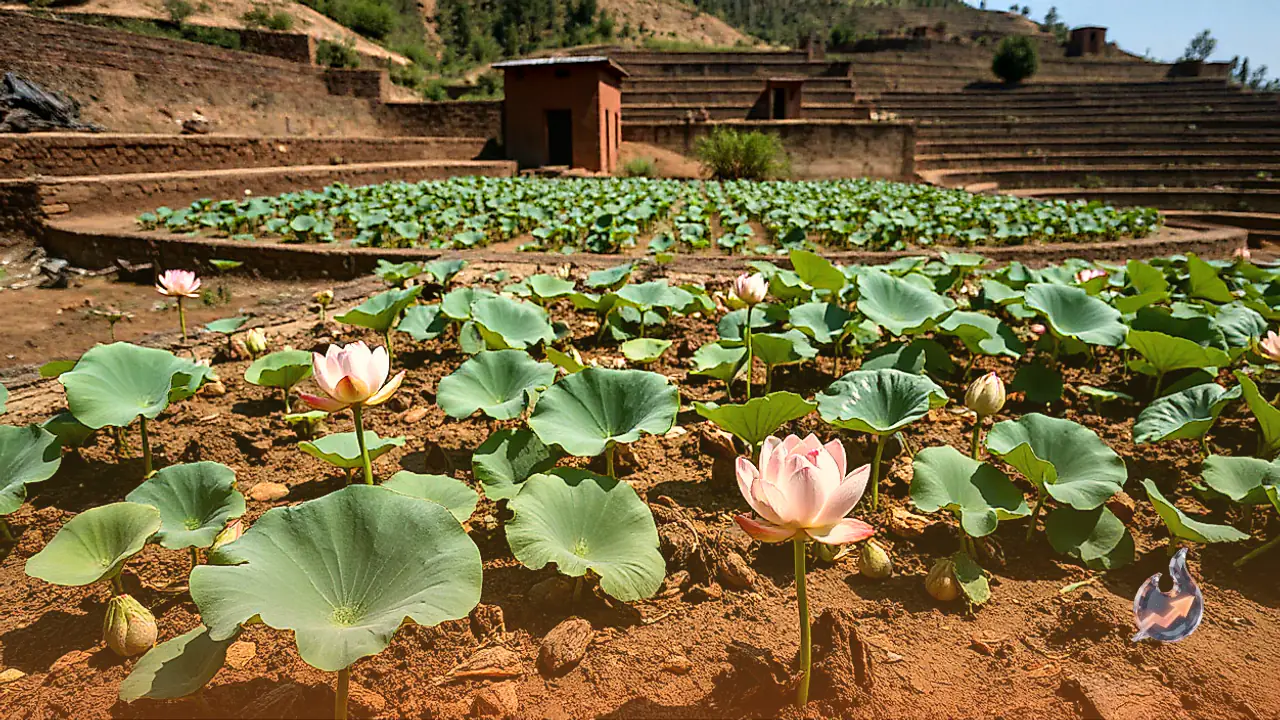

Growing a lotus plant on your terrace or balcony has become a popular gardening pursuit. According to nursery expert Abhishek, a lotus can be cultivated using both seeds and tubers, but starting with a tuber is often a much better option for beginner gardeners. The outer shell of a lotus seed is exceptionally hard, which means germination can take a considerable amount of time. Without proper knowledge of the procedure, developing a plant from a seed can become quite challenging. On the other hand, planting a healthy tuber lets you bypass the initial germination phase altogether, allowing the plant to develop at a much faster pace.
Selecting the Right Container and Sunlight
Instead of using standard flower pots, lotus cultivation requires deep and wide tubs or large containers. These vessels must have enough space to hold standing water, and crucially, there should be no drainage holes at the bottom so that water remains pooled around the roots at all times. Furthermore, the lotus container must be placed in a spot where it receives at least 6 hours of direct sunlight every day. Adequate sunlight is vital for driving the overall growth of the plant and encouraging vibrant flowers to bloom successfully.
Preparing the Mud and Fertilizer
Heavy soil that mimics natural marshy mud is ideal for planting a lotus. When preparing the growing medium, a balanced mixture of 50 percent soil and 50 percent vermicompost works best. While fertilizer is necessary to support plant growth and flower development, it must be applied with great care. Rather than mixing it loosely into the mud, wrap the fertilizer inside a piece of cloth and bury it one to two inches beneath the soil surface. This ensures that the nutrients dissolve into the water gradually and do not cause any direct chemical harm to the lotus.
Winter Care and Precautions
During the winter season, the growth rate of a lotus plant naturally slows down due to lower temperatures, so you should avoid over-fertilizing during this period. When the metabolic activity of the plant drops in cold weather, excess fertilizer can degrade water quality and significantly increase the risk of damaging the delicate tuber. Therefore, you should always adjust fertilizer usage based on the prevailing weather conditions and the health status of the plant itself.
If you notice any spots, decay, or fungal issues appearing on the leaves of your lotus, it is crucial to address them promptly. Manually remove damaged leaves and ensure that decaying foliage or other organic debris does not accumulate in the water. Periodically change the water after extended periods, because stagnant water left unchanged for too long tends to attract a heavy infestation of mosquitoes.