

















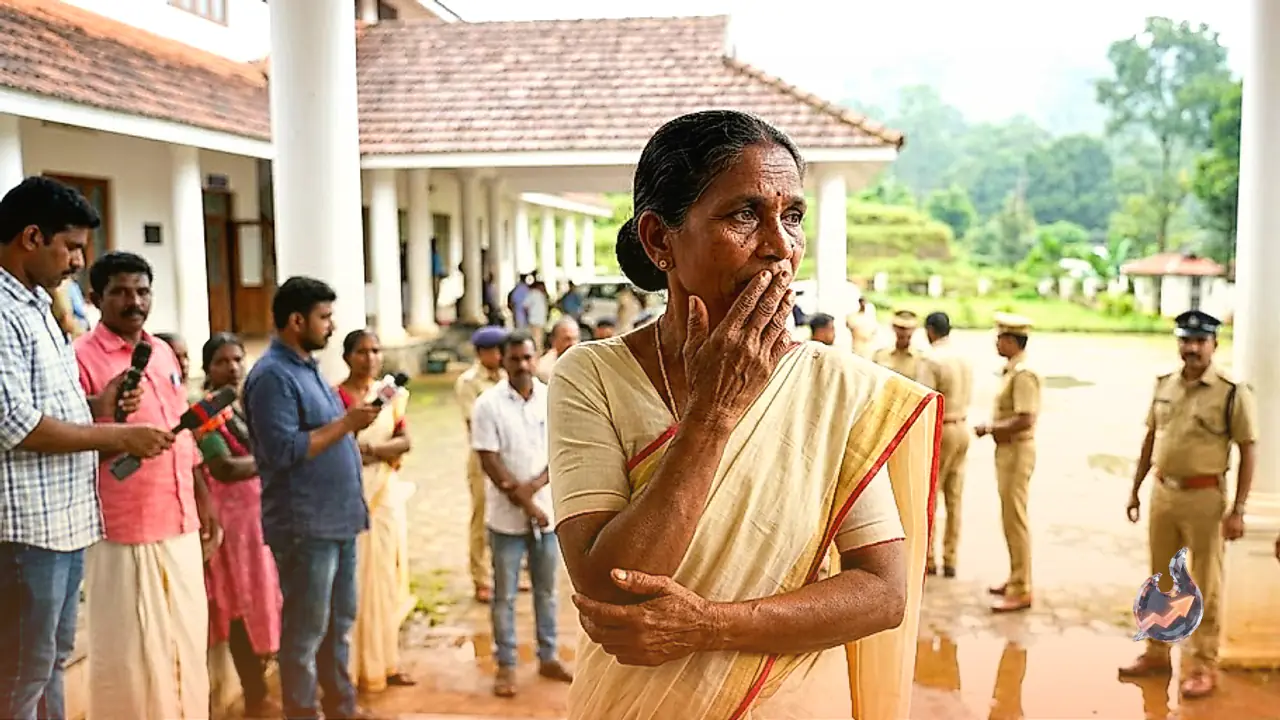

More than two decades after the tragic Muthanga forest confrontation in Wayanad shook Kerala, a special court has delivered its final verdict on the violent clash that claimed two lives during a landmark tribal land rights protest. The decision by the Wayanad Principal District and Special Court marks the culmination of a complex 23-year judicial process stemming from an agitation that sparked intense debates over indigenous land claims, state police action, and political accountability in the region. While providing legal relief to dozens of individuals who stood trial for years, the court also held four key participants accountable for attacking and abducting police personnel during the standoff.
Background of the 2003 Muthanga Land Rights Movement
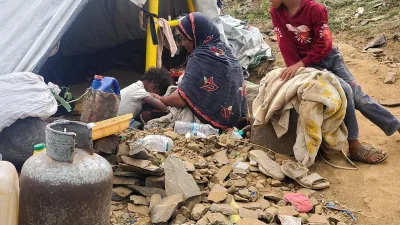
The origins of the crisis trace back to 5 January 2003, when a massive protest organized under the banner of the Tribal Gotra Sabha commenced in the forested terrain of Wayanad. Seeking long-overdue legal titles and land rights for indigenous families, hundreds of tribal protesters entered the protected Muthanga forest area and erected temporary huts to establish their encampment. The agitators demanded that the state government allocate fertile land to landless tribal households for their sustenance. As weeks passed, the peaceful encampment turned into a prolonged standoff, presenting a formidable administrative and environmental challenge for state authorities as the protesters refused to vacate without concrete land assurances.
The Escalation and Deadly Police Operation of 19 February
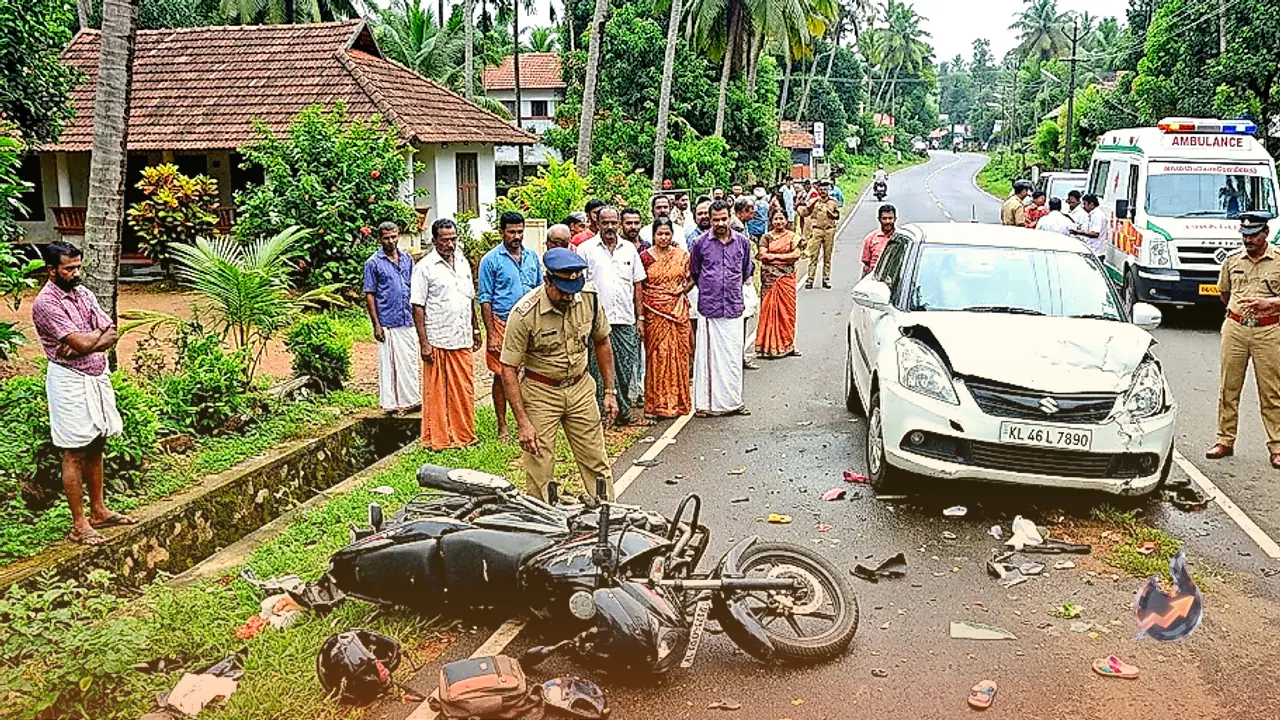
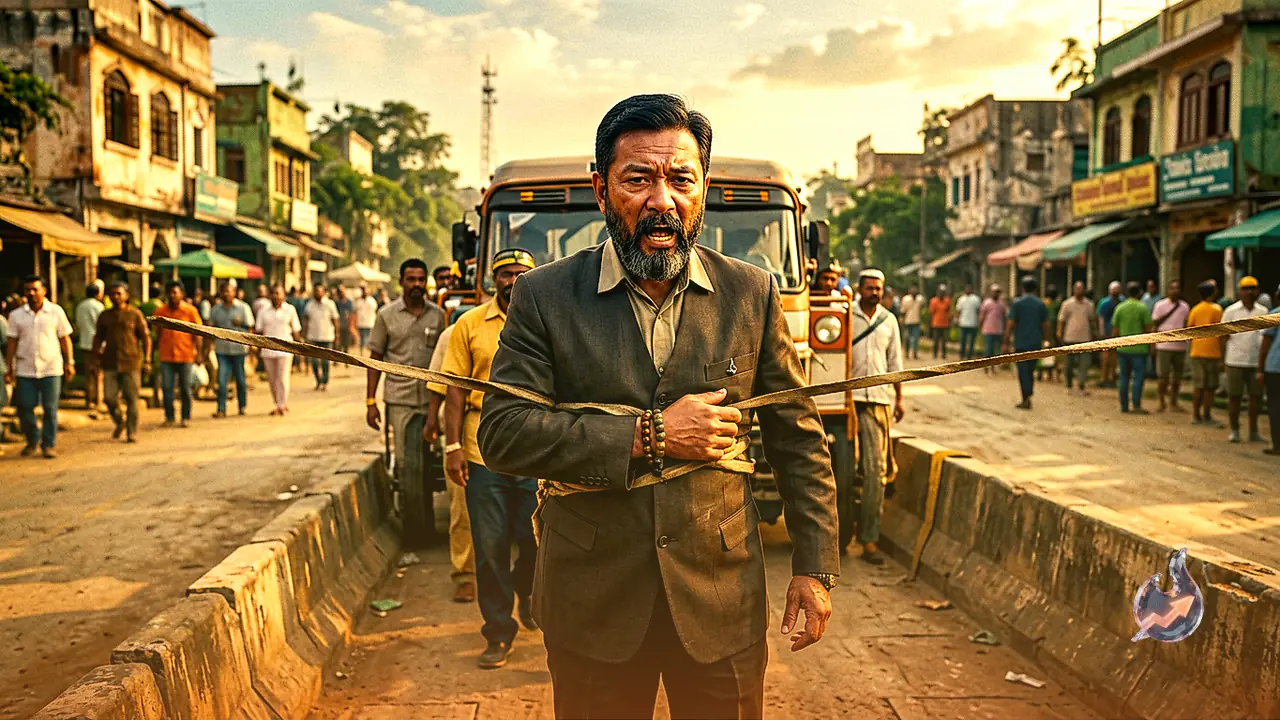
To clear the encroached forest land and end the prolonged occupation, law enforcement agencies initiated a major clearance drive on 19 February 2003. The intervention quickly escalated into severe violence as clashes erupted between security forces and the demonstrators. According to police records from the incident, agitated protesters assaulted surrounding police personnel and took several officers into custody. During the chaotic confrontation, Kerala Armed Police Constable KV Vinod sustained fatal injuries after being abducted and attacked, subsequently passing away while being rushed for medical treatment. Concurrently, police opened fire to disperse the crowd, resulting in the death of a young tribal protester named Jogi. The dual casualties ignited widespread outrage across the state.
Multi-Agency Investigation and Transfer of the Trial
Given the gravity and political sensitivity of the incident, the initial probe conducted by local police was swiftly reassigned to the state Crime Branch. Following persistent demands for a more comprehensive inquiry, the case was eventually handed over to the Central Bureau of Investigation. The central agency completed its detailed investigation and submitted a formal charge sheet against 57 individuals. Following directives from the Kerala High Court, the trial was later transferred from the CBI Special Court in Ernakulam to the Principal District and Special Court in Wayanad, setting the stage for two decades of continuous legal evaluation, witness testimonies, and evidence review.
Court Verdict: Convictions, Sentences, and Mass Acquittals
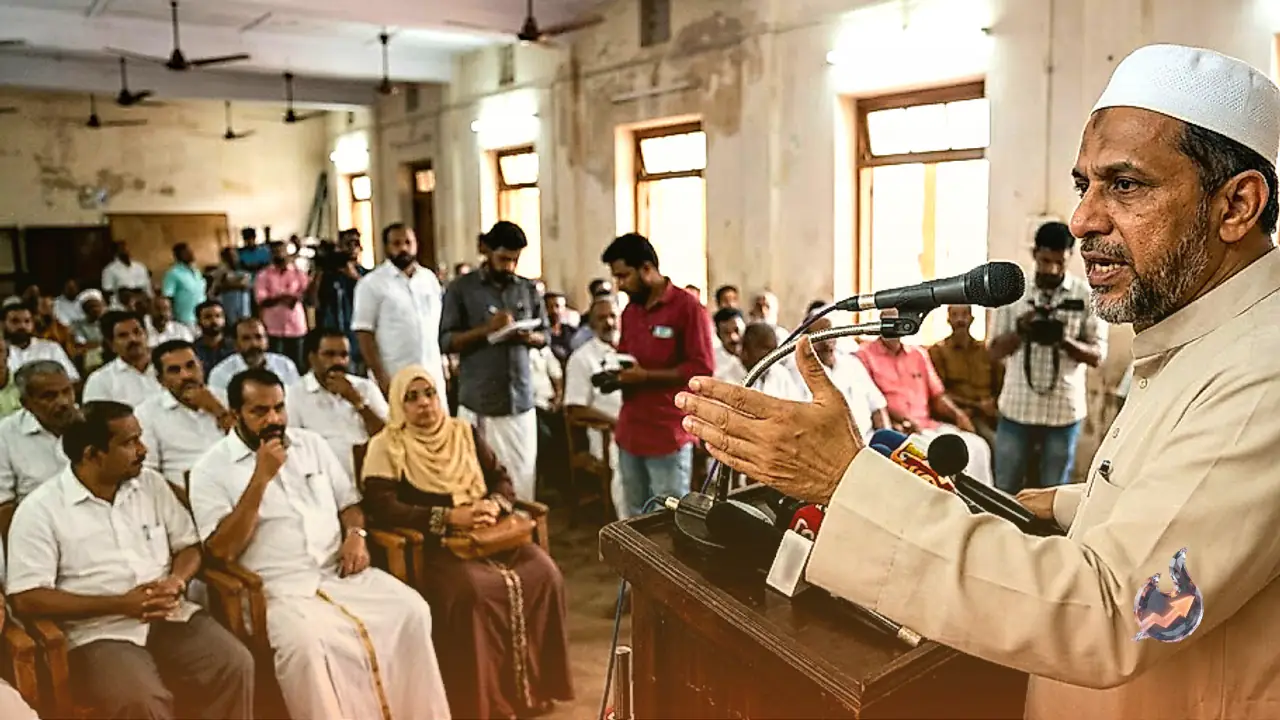
In its comprehensive ruling, the Wayanad court observed that the prosecution could not establish charges of murder and criminal conspiracy against the vast majority of the accused beyond reasonable doubt. Consequently, 56 out of the 57 trial participants were acquitted of murder charges. However, the court found Tribal Gotra Sabha leader M. Geethanandan alongside Binu, Rameshan Koyyalipura, and Anil Kumar guilty of offenses including attempt to murder, kidnapping of police personnel, and criminal conspiracy. The court handed down cumulative sentences across 16 penal provisions totaling 19 years and 7 months. Since all sentences are set to run concurrently, the convicted individuals will serve an effective prison term of approximately 5 years, along with paying monetary fines.
Findings on the Main Accused and Victim Compensation
The judicial findings identified accused number 2, Ashokan, as the individual who inflicted the fatal injury upon Constable KV Vinod. However, because Ashokan passed away during the prolonged trial process, formal sentencing against him was rendered moot. Addressing the plight of the victims and their families, the court recommended financial compensation through the District Legal Services Authority. Under this welfare recommendation, Rs 7 lakh has been designated for the family of deceased Constable KV Vinod, while injured police personnel Abdul Salam and Shashidharan are to receive Rs 3 lakh and Rs 2 lakh respectively to assist with their rehabilitation.
Political Legacy and Lasting Social Resonance
The Muthanga incident unfolded during the tenure of Chief Minister A.K. Antony, whose Congress led administration faced intense political scrutiny over the heavy-handed police operation and its fatal outcome. Arriving 23 years after the event, this verdict provides closure to many acquitted individuals and offers a degree of justice for injured law enforcement officers. Nevertheless, the Muthanga struggle remains a watershed moment in Kerala political history, serving as a solemn reference point in ongoing discussions regarding tribal rights, forest conservation laws, and proportional state action.