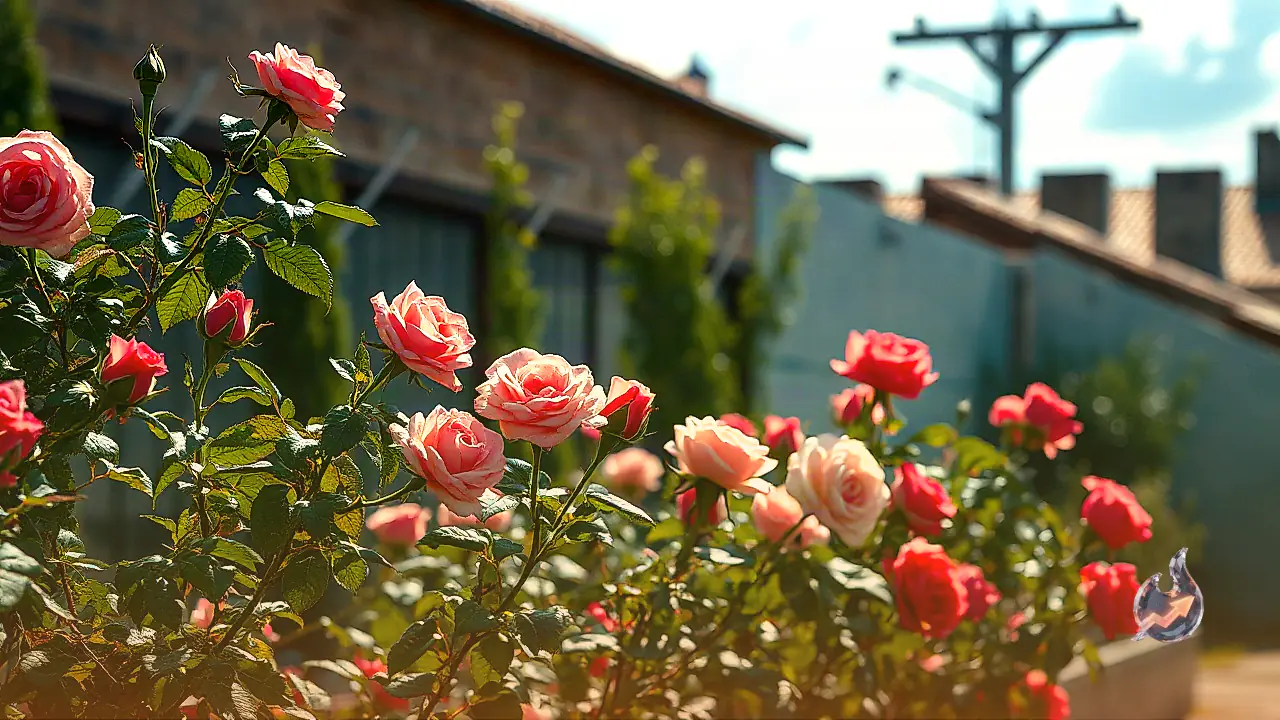

























It is a common scenario among home gardeners: marigold and rose plants flourish with lush green foliage, yet produce very few blossoms or no buds at all. This lack of flowering often leaves plant lovers puzzled. Achieving continuous, vibrant blooms requires far more than basic planting; it demands proper environmental conditions, timely pruning, and precise nutrient management. By fine-tuning your daily plant care routine, you can encourage your garden to stay filled with fragrant, healthy flowers throughout the year.
Sunlight Exposure and Optimal Placement
Both marigolds and roses require abundant natural light to trigger the flowering cycle. Gardening experts emphasize that these species need at least five to six hours of direct sunlight every day. Placing containers in shaded spots might keep the foliage green, but it significantly slows down bud formation. To resolve this, position your pots where they can receive unobstructed morning and early afternoon sun. Adequate light boosts photosynthesis, strengthens stems, and stimulates robust flowering.
Watering Discipline and Root Protection
Watering errors are among the primary reasons for poor bloom production. Pouring water on a rigid daily schedule can harm the plant system. The ideal approach is to add water only when the top layer of soil feels dry to the touch. Excess water leads to waterlogging, depriving roots of oxygen and causing root rot. Conversely, underwatering stresses the plant, leading to wilted leaves and dropped buds. Maintaining balanced soil moisture keeps the roots healthy and ready to support heavy blooms.
Organic Fertilizers and Essential Nutrients
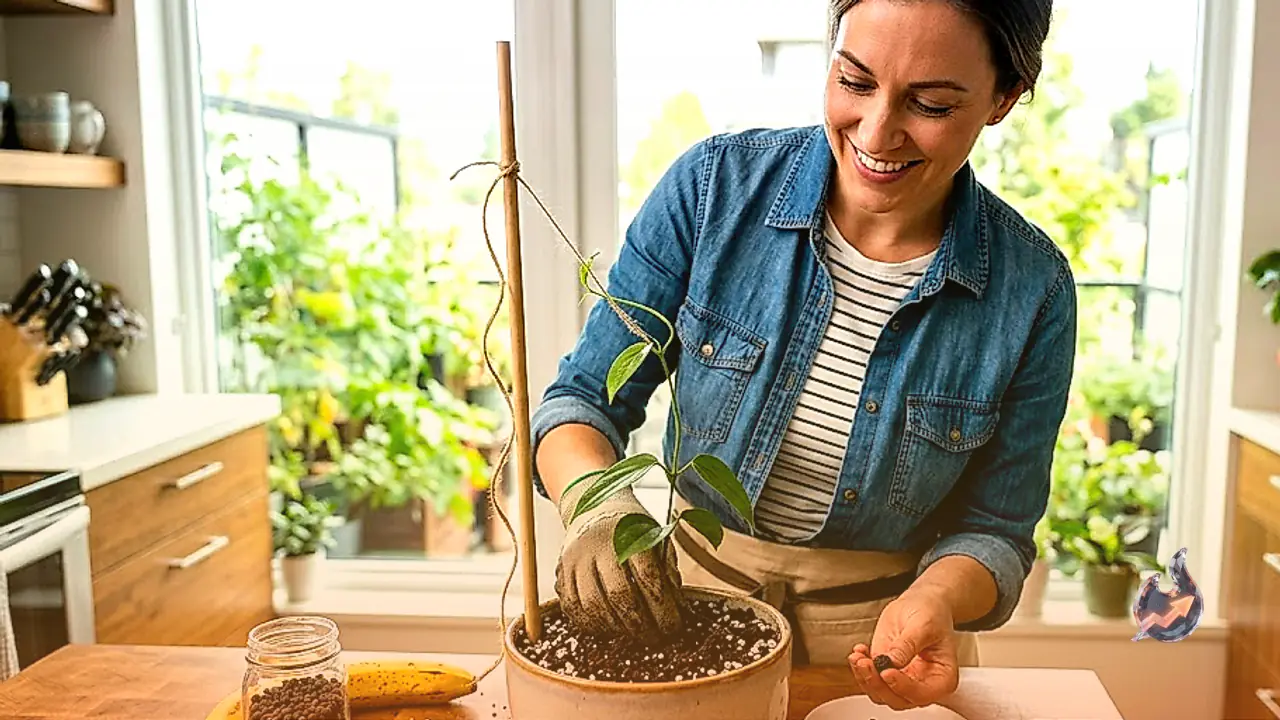
When plants stop setting buds, they usually require a replenishment of vital soil nutrients. Feeding the soil once a month with well-rotted cow dung manure or vermicompost provides a solid organic foundation. Additionally, applying a diluted mustard cake liquid fertilizer or banana peel organic mix offers an excellent natural boost. Nutrients rich in phosphorus and potassium are particularly crucial, as they directly encourage root strength and increase total flower count.
Pruning Techniques and Expert Guidance
Prof. Ashok Kumar Singh, a well-known agriculture expert from Ballia, explains that regular pruning is vital for rose bushes. Dead, weak, or inward-growing branches consume valuable energy without contributing to new growth. Trimming these unwanted shoots encourages the plant to put out fresh, vigorous stems that bear multiple buds. Similarly, for marigolds, deadheading faded flowers immediately is essential. Removing spent blooms prevents seed formation and channels the plant's energy into generating fresh blossoms.
Pest Management Using Natural Solutions
Plants that appear healthy on the surface can secretly suffer from hidden pest infestations. Common sap-sucking insects like aphids and whiteflies drain vital juices from soft stems and young buds, severely undermining flower development. Spraying a mild neem oil solution or neem-infused water once a week provides effective protection. This eco-friendly method repels harmful pests without introducing toxic chemicals into your home garden environment.
Soil Structure and Aeration
Soil quality plays a fundamental role in sustained plant growth. Over time, potting soil can become compacted, restricting air circulation and stopping nutrients from reaching the root zone. Periodically loosening the topsoil with a small trowel improves aeration. When necessary, mixing in fresh, fertile soil rejuvenates the medium. Ensuring proper drainage is equally critical, as well-draining soil prevents stagnant water from causing fungal infections.
Seasonal Adjustments for Year-Round Health
Gardening practices should naturally adjust with changing weather conditions. During hot summer months, water plants early in the morning or late in the evening to prevent rapid evaporation. During the monsoon season, inspect pots regularly to ensure excess rainwater drains out swiftly. In winter, place containers in the sunniest available spots. Adapting care routines to each season keeps marigolds and roses resilient and productive all year long.