






















In home kitchens, aluminum foil is widely utilized for keeping meals secure, maintaining warmth, and handling baking tasks. However, many people often wonder whether the shiny or the dull side of the foil should face toward the food. Along with this, understanding the correct application methods is vital to ensure that the quality and safety of the meals remain intact.
Which side of aluminum foil is correct
During the manufacturing process, aluminum foil is passed through heavy rollers, which results in one surface appearing bright and shiny while the other looks slightly dull. Generally speaking, both surfaces function similarly, and there is no major performance difference between them. When utilizing standard foil, either the shiny or the dull side can face the food, as heat transfer remains nearly identical from both directions.
The right way to apply aluminum foil
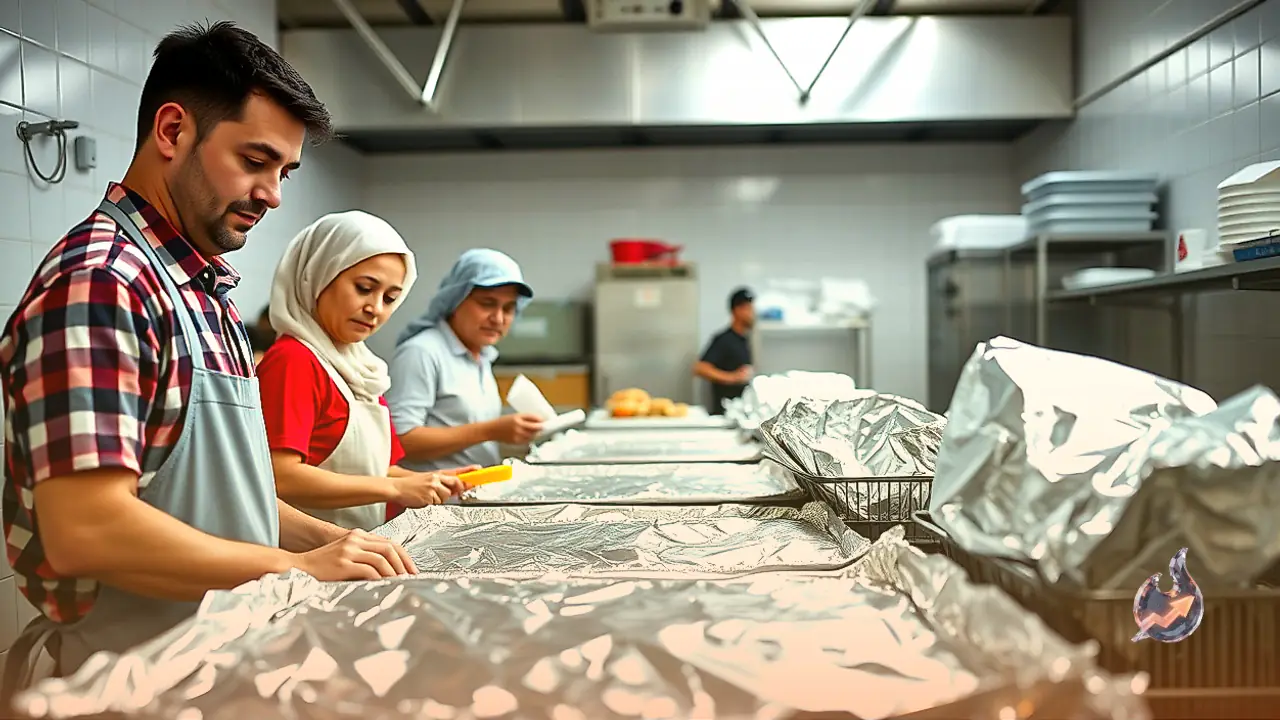
When utilizing the foil, cover the food thoroughly so that contact with air and moisture is minimized. This practice keeps the meal fresh for an extended period. Instead of just placing the foil loosely on top, gently press and fold its edges to secure the packaging firmly, preventing the food from spilling out during transit.
Whenever you pack food, avoid wrapping extremely hot meals immediately because trapped steam can accumulate inside. It is much better to let the meal cool down for a few minutes before wrapping it up. Furthermore, if you are heading out on a journey or preparing a lunchbox for work, utilizing a double layer of foil when necessary can keep the meal extra secure.
What items can be stored in aluminum foil
Certain food items stay warm and soft for a while when stored inside aluminum foil. Sandwiches and burgers can be packed effortlessly in foil for office lunches or road trips. Dry snacks like samosas, kachoris, namkeen, puffs, and similar items fit securely inside foil wraps. Bakery goods such as cakes, cookies, and garlic bread can also be wrapped without hassle. Grilled or roasted items like paneer tikka, kebabs, and roasted vegetables remain safe for a short duration when kept in foil.
What items should avoid aluminum foil contact
Certain food items should not be kept in direct contact with aluminum foil. Acidic items like vinegar and lemon can react when left touching the foil for too long, altering the taste. The acidity found in tomatoes can also interact with the foil, so they should not be stored inside it for extended periods. Food items containing high amounts of salt are likewise discouraged from long-term storage in foil. If meals need to be preserved for multiple days, airtight glass containers or food-grade storage boxes serve as a much better alternative than foil.