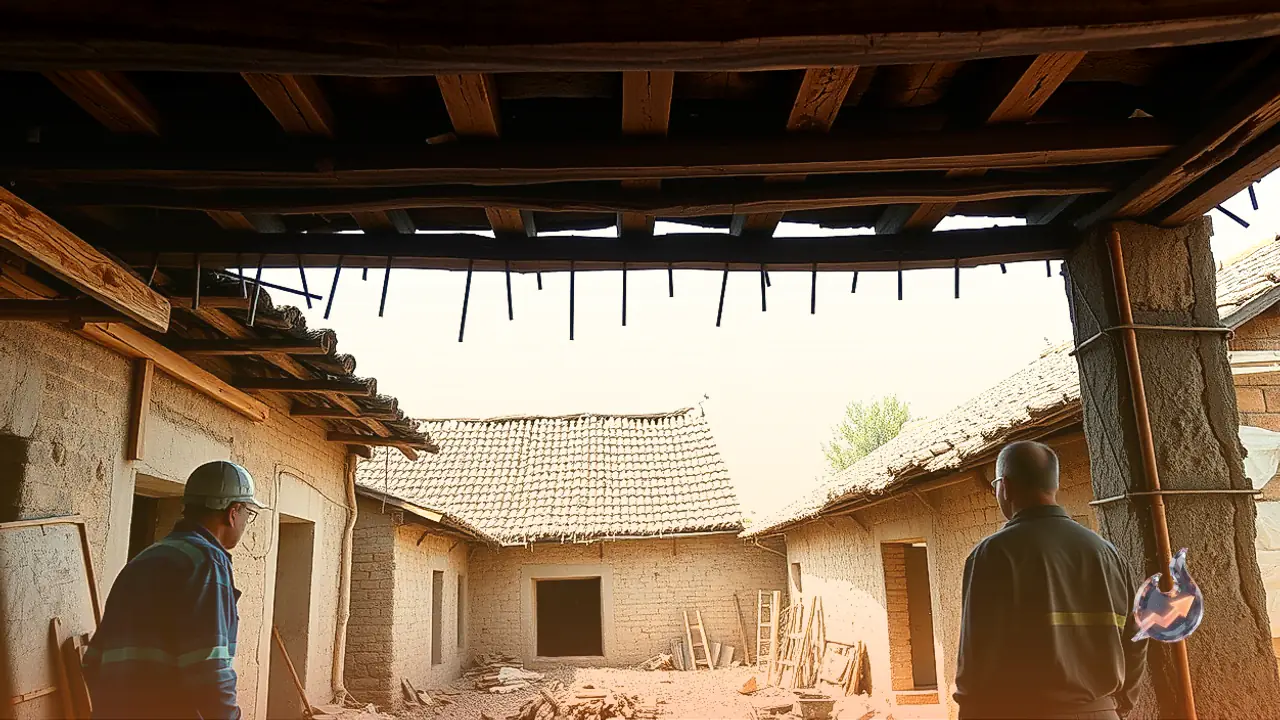























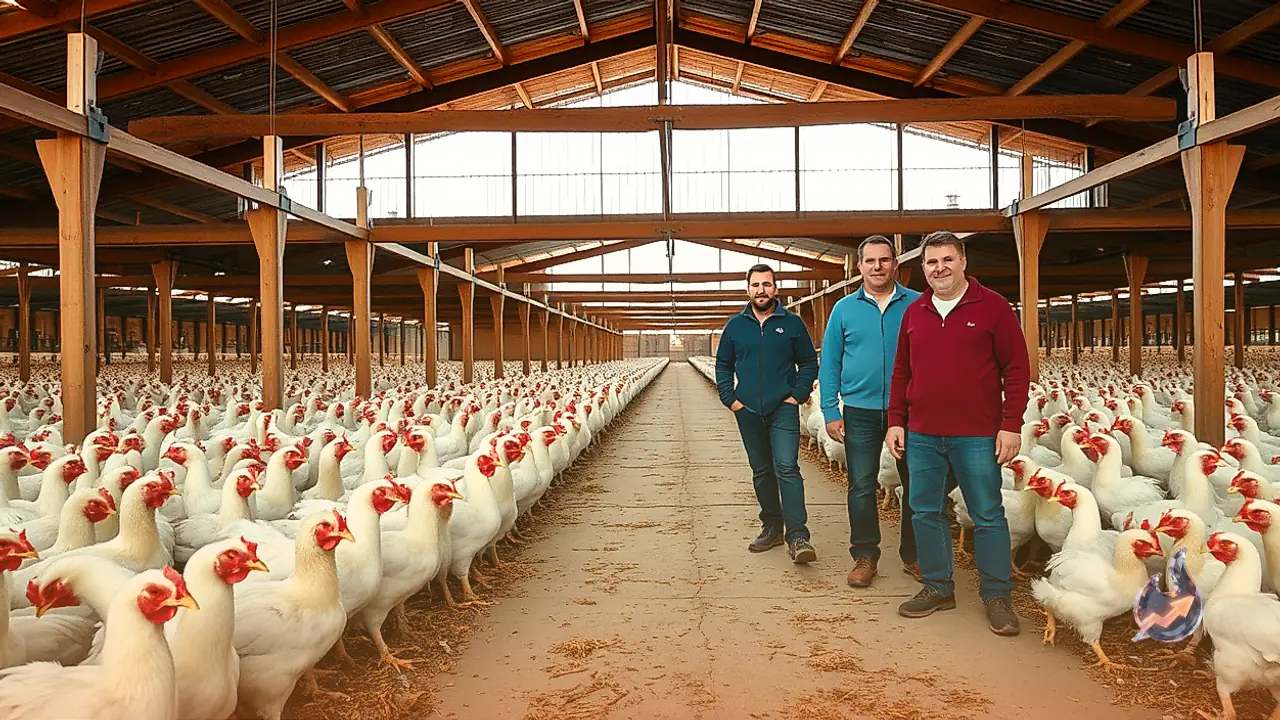

When venturing into commercial poultry production, farmers often direct their entire attention toward securing superior bird breeds and high-grade feed rations, underestimating the fundamental role that structural housing plays in flock vitality. A bird's physical environment directly dictates its feed conversion efficiency, stress levels, and resistance to disease. If a poultry house suffers from stagnant airflow, excessive floor dampness, or overstocking, the birds quickly develop health complications that stunt their growth curve. Stunted physical development and sudden mortality rapidly erode commercial profit margins, making scientific shelter planning an indispensable prerequisite for every poultry grower.
Shed Alignment and Structural Dimensions
According to Dr. Rakesh Kumar Tiwari, Deputy Chief Veterinary Officer in Gonda, farm infrastructure requires meticulous attention to structural orientation and spatial geometry right from the foundation phase. A poultry shed should invariably be aligned along an east-west axis. This specific orientation prevents harsh, direct morning and late afternoon solar radiation from penetrating the sidewalls, shielding the birds from intense heat stress. The recommended lateral width of the structure is approximately 35 feet, an ideal span that facilitates natural cross-ventilation across the entire floor area without creating dead air pockets. Meanwhile, the longitudinal length can be adjusted flexibly depending on the total flock target and the land footprint available.
The structural layout must guarantee a continuous change of air, preventing heavy concentrations of ambient moisture, metabolic heat, and toxic ammonia vapors inside the living zone. When an enclosure maintains a generous, natural breeze, birds experience far less respiratory strain and adapt comfortably to fluctuating exterior weather. Side curtains and mesh screens should be engineered so that heavy monsoon downpours or freezing drafts are kept out while clean atmospheric air circulates freely at all times.
Floor Space Distribution Across Growth Stages
The total floor area allotted to each bird cannot remain static; it must dynamically correspond to the flock's advancing age and body mass. Dr. Rakesh Kumar Tiwari notes that broiler chicks expand rapidly in both frame and weight, requiring progressive expansions in their territorial boundary. If young birds are crammed together, dominant chicks monopolize feeders and waterers, resulting in uneven flock uniformity and physical injuries. Space allocations per square foot should follow a structured decompression schedule
- First Week: During the initial seven days of brooding, up to four small chicks can be comfortably accommodated per single square foot of floor space.
- Second Week: As body mass expands, density should be eased by housing three chicks per square foot.
- Third Week: With skeletal growth accelerating rapidly, the density must be brought down to two chicks per square foot.
- Body Weight Reaching One to 1.5 Kilograms: Once the growing broilers attain a mass between one and 1.5 kilograms, management should strictly restrict placement to a single bird per square foot.
This systematic space allocation ensures that every bird has unrestrained access to feeding stations, water lines, and exercise paths. Farm operators must always integrate seasonal conditions, relative humidity, and prevailing ventilation rates when calculating final stocking densities, as hot and muggy weather demands even more open spacing per bird.
Hygiene Standards and Moisture Control
Maintaining stringent sanitary conditions within the shed is vital to preventing bacterial and viral outbreaks that can wipe out entire batches. Accumulated droppings combined with damp floor bedding form a hazardous breeding ground for harmful pathogens and fungal spores. Damp litter exposes birds to foot pad dermatitis, respiratory distress, and gut infections. To avert these issues, farmers must maintain constant vigilance, regularly inspecting the floor and swiftly replacing any wet or caked litter with dry, absorbent bedding material.
Particular vigilance is required around the perimeters of drinkers and water troughs, where accidental spillage often leads to localized puddling. If standing sludge and dampness persist around hydration zones, the entire microclimate inside the shed deteriorates rapidly. The housing unit must sustain an effective air exchange rate capable of wicking away routine moisture from the bedding. Harmonizing bird density with constant air movement safeguards the living quarters against toxic ammonia buildup, keeping the flock energetic and thriving.
Temperature Management and Nutritional Care for Brooding Chicks
In the opening phase of a chick's life, precise thermal regulation is paramount for survival. Dr. Rakesh Kumar Tiwari points out that day-old chicks lack fully functional internal thermoregulatory systems, making them exceptionally vulnerable to chilling. Consequently, during their first week, the brooding ambient temperature must be strictly maintained between 32 and 35 degrees Celsius. As the birds grow older and develop protective juvenile plumage, the artificial brooding heat should be systematically lowered in gradual increments.
Alongside precise thermal regulation, the enclosure requires uniform illumination to stimulate active feeding behavior. Chicks must enjoy continuous access to clean, potable drinking water alongside a scientifically balanced starter ration. When juvenile birds are provided with their exact developmental temperature threshold, unhindered floor space, fresh air currents, and balanced nutrition, early mortality drops significantly, paving the way for maximum weight gain within the planned production cycle.