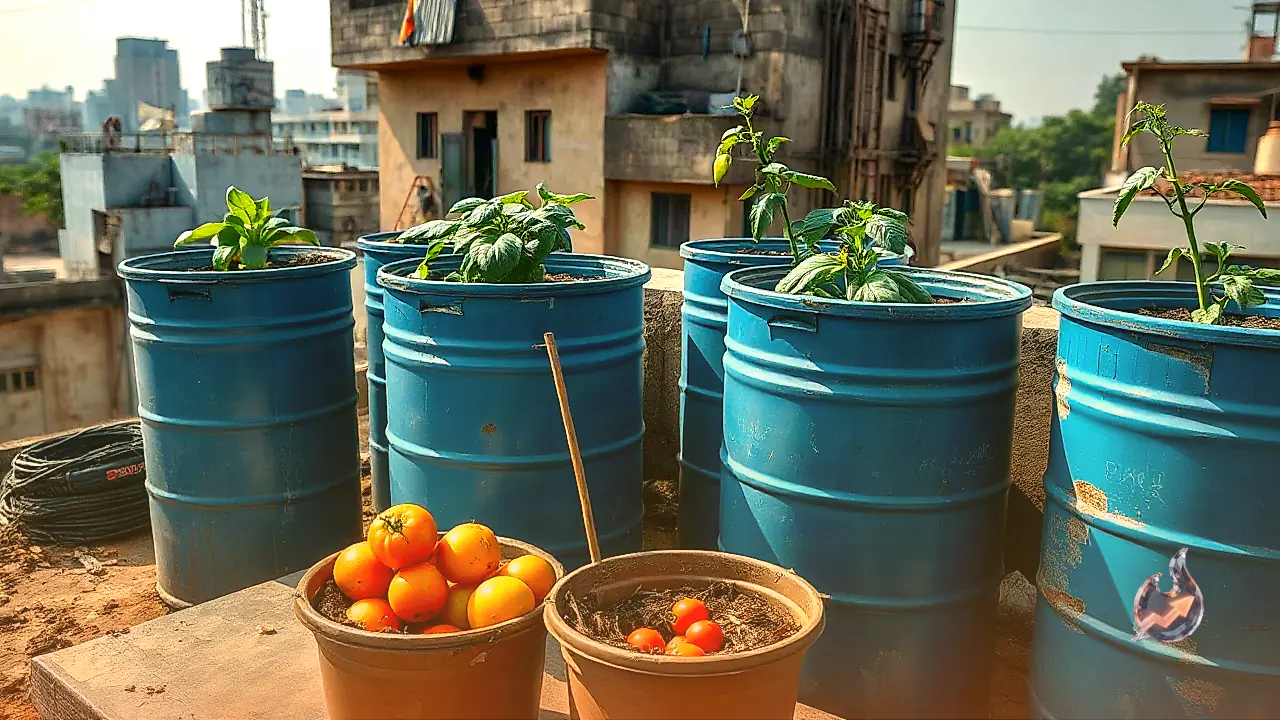




















Cultivating fresh vegetables in home balconies and terrace gardens provides a steady supply of nutritious produce right outside the kitchen. Capsicum, an indispensable ingredient that enhances daily recipes, stir-fries, noodles, pizzas, and sandwiches, remains in high demand throughout the year. Producing this crunchy vegetable does not demand expansive agricultural land or large backyards. By using ordinary household containers, pots, or grow bags, urban gardeners can harvest a generous crop right at home. With nutrient-rich soil, proper sunlight, controlled moisture, and well-timed organic fertilization, capsicum plants can remain productive and healthy across multiple seasons.
Optimal Planting Windows and Recommended Varieties
In India, capsicum cultivation is typically planned around three distinct sowing seasons during the calendar year. Gardeners can start seeds in November to December, take advantage of the spring window in February to March, or initiate planting during the monsoon phase between June and July or August to September. Moderate climate conditions are crucial for thriving plants, as neither extreme heat waves nor severe winter cold supports steady development. Selecting dependable seed cultivars forms the bedrock of a good crop. Varieties such as Indra, Asha, and Huntington are recognized as premier choices. High-quality seeds can easily be sourced from local neighborhood nurseries or ordered through online gardening suppliers.
Step-by-Step Seedling Preparation
Raising resilient seedlings begins in shallow containers measuring about 3 to 4 inches in depth. The germination medium must remain light, airy, and moisture-retentive. A balanced seedling mix can be formulated by blending 50 percent vermicompost with 50 percent cocopeat. After filling the seedling tray or container with this mixture, use a finger to make depressions approximately 1 inch deep and gently place the seeds inside. Cover the seeds with a light dusting of the seedling mix and moisten the top surface with water. Capsicum seeds generally take between 7 and 14 days to germinate. While starting in small trays is standard practice, seeds can also be sown directly into mature containers.
Transplanting into Pots and Preparing the Soil Blend
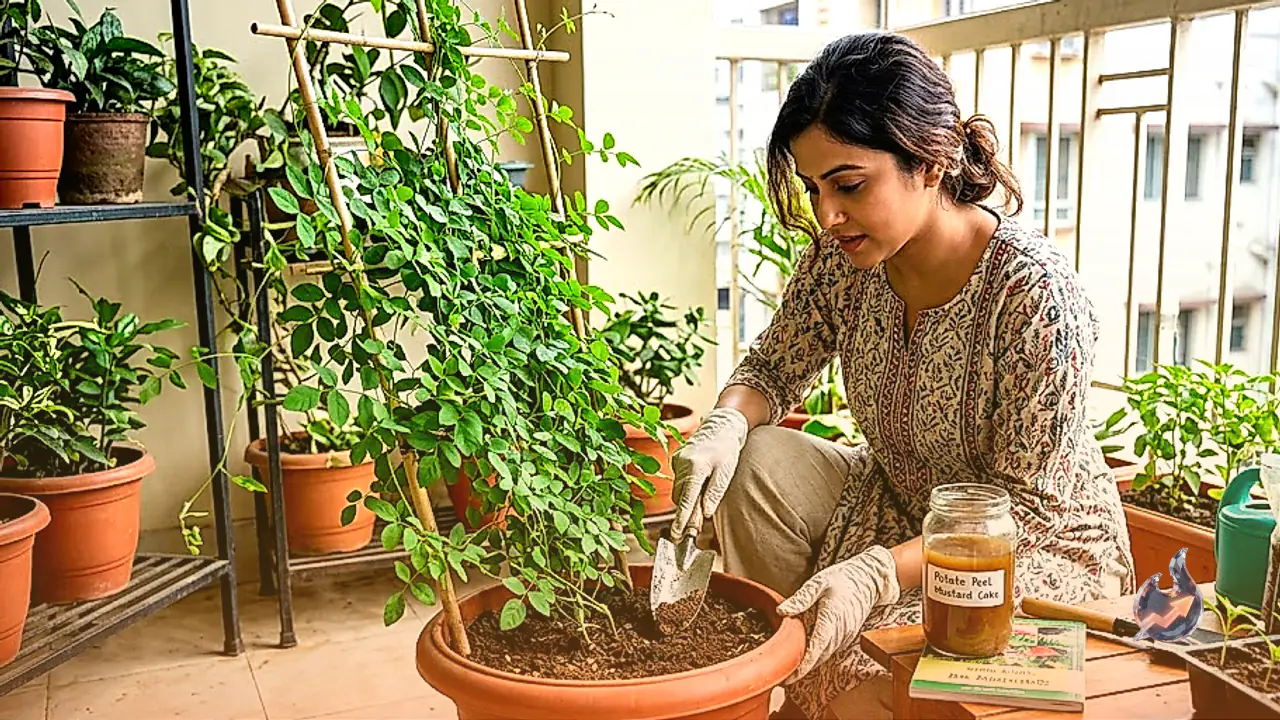
Seedlings mature and develop robust root systems within 20 to 25 days, signalling that they are ready for relocation into permanent quarters. The ideal container or grow bag should measure between 12 and 15 inches across. It is vital that the chosen planter includes drainage holes at the base to let surplus water escape freely. The potting soil must be well-draining to prevent waterlogging around tender roots. An effective growing medium consists of 30 percent garden soil, 30 percent vermicompost, and 30 percent cocopeat or coarse sand. To fortify this substrate with natural plant food, incorporate 200 grams of neem cake, 200 grams of mustard cake, and organic rock phosphate calcium powder. Blend the components thoroughly, fill the grow bag, plant the seedlings, and water thoroughly.
Pruning, Pinching, and Sunlight Demands
Once settled into their large containers, the plants benefit from light weeding and soil aeration every 10 to 15 days. To promote bushier lateral growth, practice pinching the top tips of the stems. This intervention stimulates side branches, creating a sturdier framework capable of supporting heavy bell peppers. For accelerated vegetative growth, ground chalk or lime can be introduced after loosening the soil, providing an abundant dose of natural calcium. Ground onion peel powder can also be applied to replenish essential potassium levels. While the plant remains young, trimming off lower leaves and suckers helps direct energy toward main stem thickness and early budding. Capsicum requires between 6 and 8 hours of direct sunshine daily, making an open, unshaded spot essential.
Flowering Stage, Moisture Control, and Pest Protection
Flowering commences around 40 to 45 days after transplanting. Managing water during this period is critical: irrigate only after verifying that the top layer of soil has become completely dry. Excess irrigation at this stage triggers blossom drop, diminishing overall yield. Apply diverse organic fertilizers around the base to nourish the blooms, which transform into developing peppers within 10 to 15 days. Shifts in weather patterns can invite leaf curl disease, a condition where foliage shrinks and curls inward, bringing fruit and flower expansion to an abrupt halt. Spraying a mixture of neem oil diluted with liquid detergent provides an effective defense against the infesting pests. Discard any infected foliage and damaged flowers immediately, and repeat the neem oil foliar spray weekly as a preventive routine.
Harvesting Timelines and Sustained Nutrition Cycles
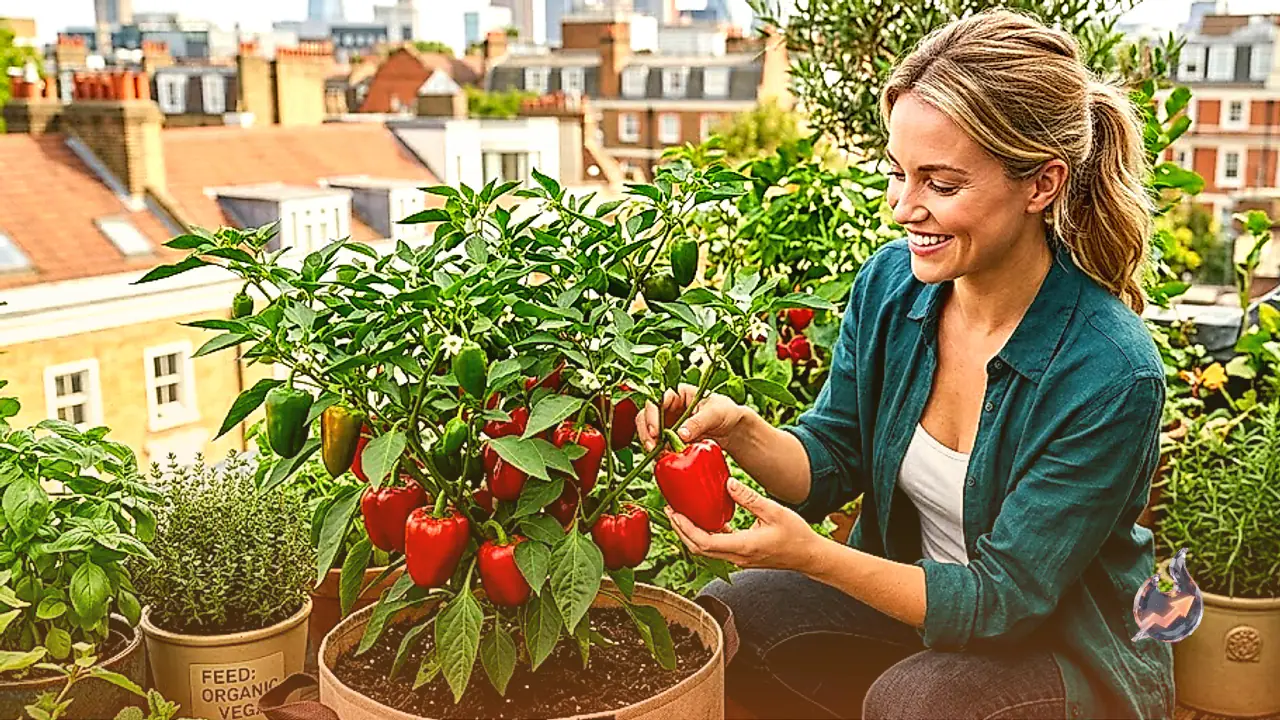
Roughly two and a half months after planting, the first flush of bell peppers reaches full maturity, signalling the start of harvest. Gardeners should pick fruits once they measure 4 to 5 inches in size and exhibit firm, mature skins. With regular nutritional support and attentive watering, a single plant continues yielding crisp capsicums for up to 6 months. Applying organic seaweed granules improves long-term fruiting and vitality. Mustard cake can also be introduced periodically into the container soil. Rotating diverse organic manures every 20 days ensures that container-grown capsicum plants stay vigorous, delivering fresh garden harvests straight to the domestic table.