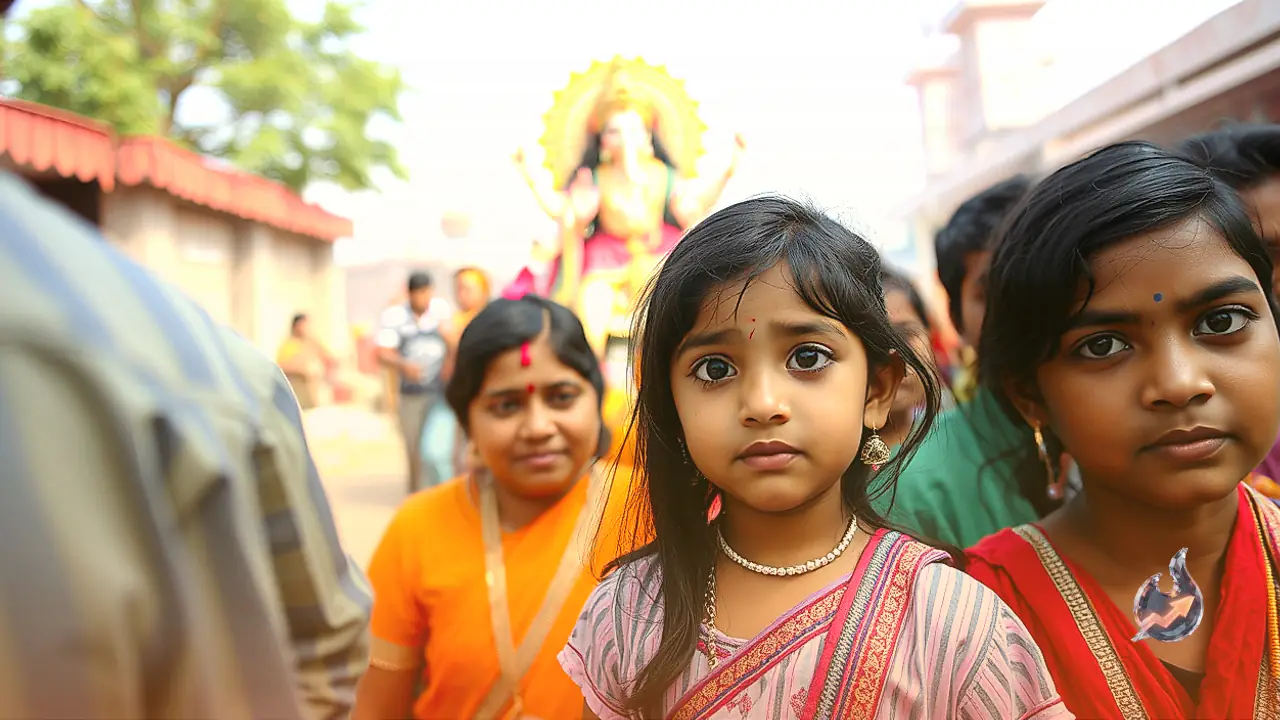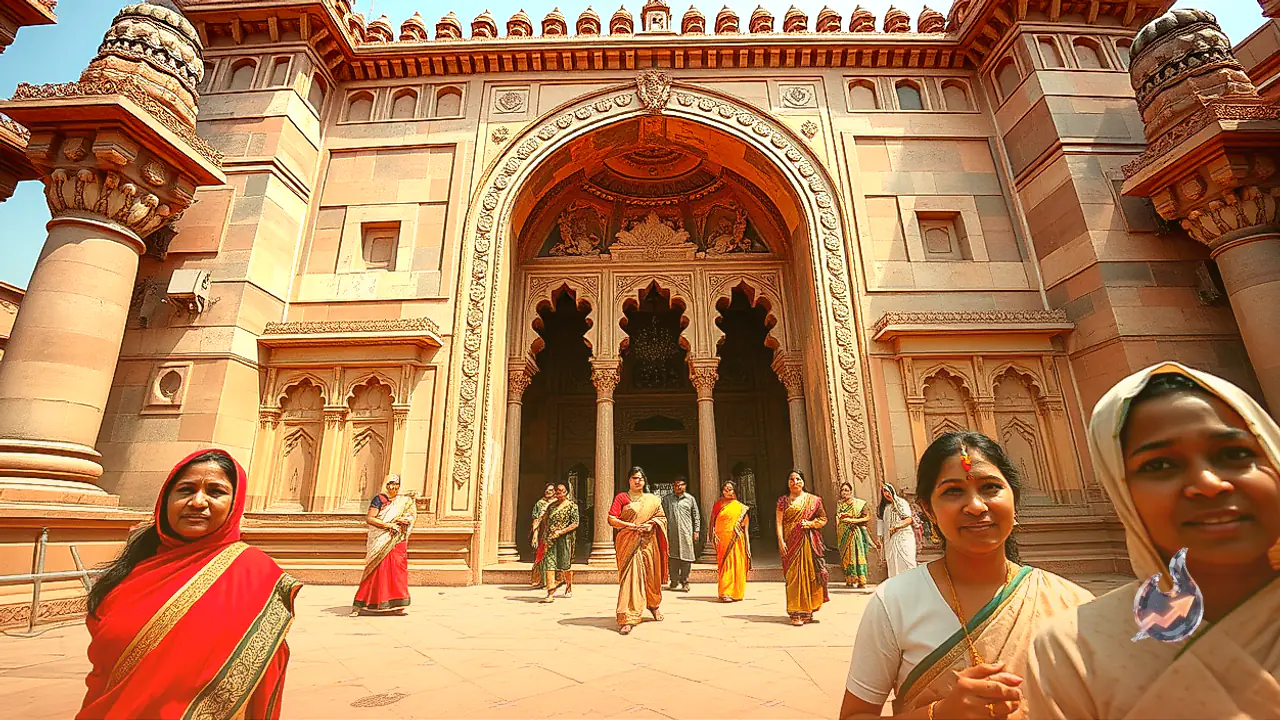
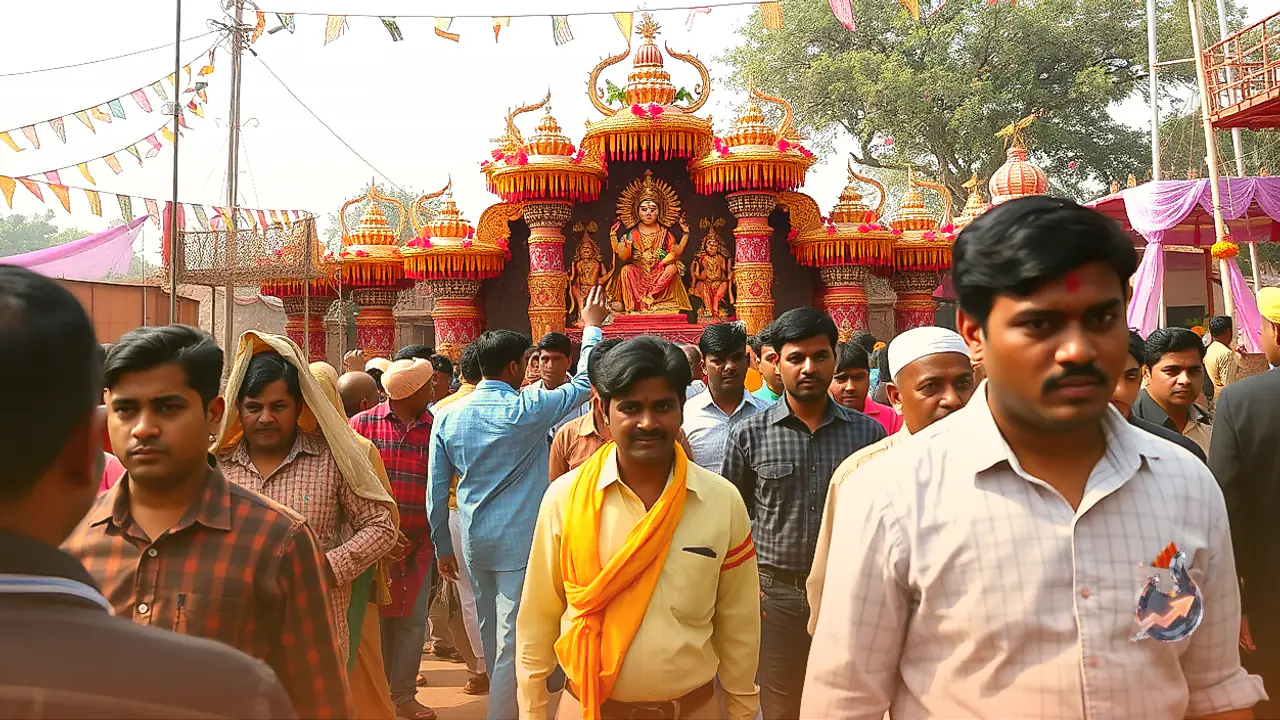















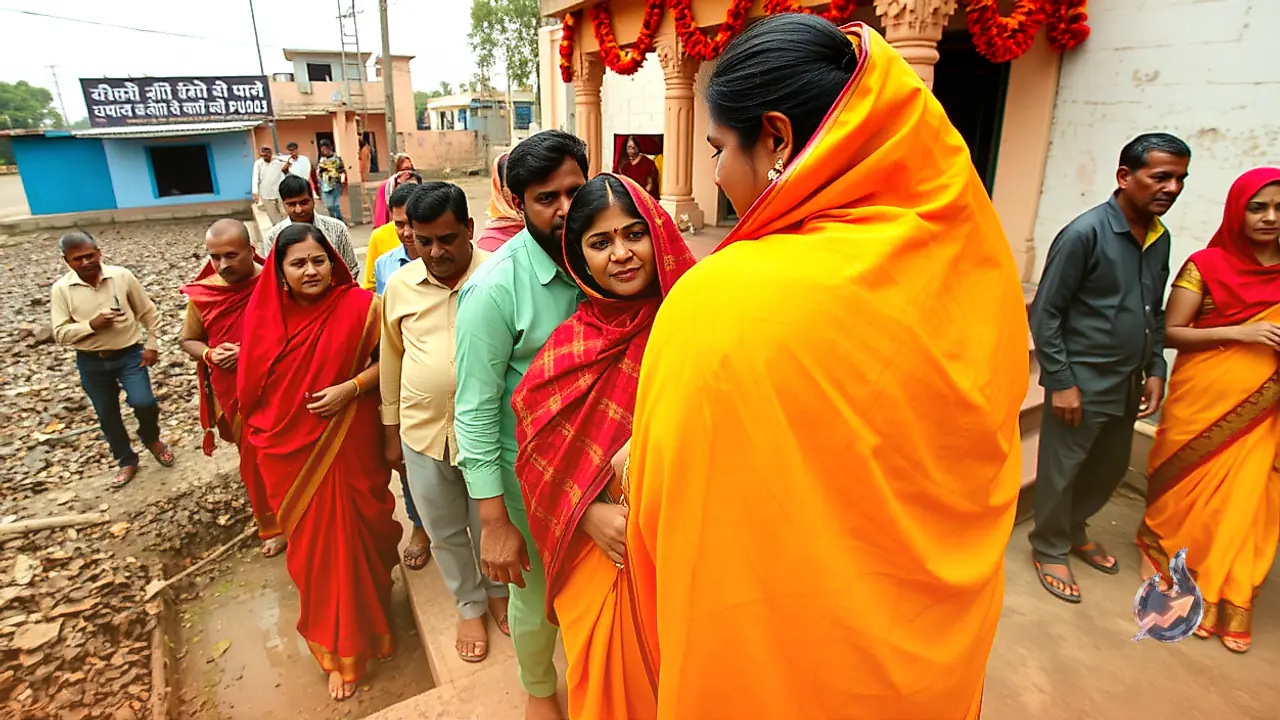

With the arrival of Durga Puja, neighborhoods come alive to the rhythmic beats of the dhak, illuminated pandals, and a joyful festive spirit. This cultural gathering is known for bringing Bengali heritage and celebration-ready style together. For years, the default wardrobe choice for pandal visits has been a traditional red silk or cotton saree. While red carries undeniable cultural resonance and significance, repeating the same hue every season can feel predictable. Exploring alternative shades offers a refreshing way to stand out during the festivities.
Mustard Yellow for Morning Prayers and Bhog
Yellow carries associations of warmth, positivity, and joyous beginnings. When attending the early morning anjali or gathering for afternoon bhog at the pandal, a mustard yellow saree crafted from silk or handloom cotton delivers an understated, ethnic presence. Pairing this warm tone with a contrasting red blouse and fresh white floral gajra in the hair creates a balanced look suited for daylight rituals.
Royal Blue for Evening Aarti and Pandal Visits
Planning to step out for evening aarti ceremonies or late-night walks between neighborhood pandals calls for a deep and sophisticated shade like royal blue. The color reacts exceptionally well under the intricate decorative lighting found across pandal grounds. A royal blue banarasi or kanjivaram drape matched with silver or oxidized metal accessories offers a composed yet striking evening ensemble.
Rich Emerald and Bottle Green for Grand Occasions
Green symbolizes flourishing beginnings and renewed vitality. Draping a bottle green or emerald silk saree adorned with delicate golden zari borders gives a majestic weight to the attire. When combined with classic gold ornaments, this palette creates a regal statement that feels deeply grounded in festive elegance.
Timeless Ivory and Off-White with Red Borders
Those who prefer stepping back from solid crimson without losing touch with Bengali aesthetic roots can look toward ivory and off-white. The classic white drape accented by a crimson edge, celebrated as the laal paar sada saree, remains an enduring standard. It stands out as an exceptional choice for the sacred pushpanjali on ashtami morning and the celebratory sindoor khela on dashami.
Bold Magenta and Deep Wine for Cultural Performances
For celebrations extending into the night, deep wine and saturated magenta serve as spirited substitutes for conventional red. These deep jewel tones perform brilliantly during evening stage gatherings and the energetic dhunuchi dance on navami night. The shade naturally infuses an air of refined glamour into celebratory evening hours.
Subtle Grey and Silver Drapes for Shashti and Saptami
Introducing muted tones earlier in the festival can help build a varied wardrobe across the puja week. During shashti or saptami, wearing a soft grey or shimmering silver drape in chiffon or light silk provides a distinct contemporary contrast. Combining this quiet foundation with smoky eye makeup and neutral lipstick tones keeps the visual appearance neat, relaxed, and polished.
Radiant Orange for Daytime Comfort
Orange brings an invigorating lift to the early schedule of the festival. On initial days such as panchami or shashti, lightweight textiles like chanderi, tissue silk, or woven orange handloom sarees keep movement easy while maintaining high visual warmth. Choosing manageable weaves makes transitioning between family functions and pandal trips seamless.
Rather than confining seasonal fashion to a single traditional tone, experimenting with these seven varied saree colors opens up versatile dressing possibilities. Coordinating each tone with gold pieces, cutwork silver items, or layered thread craft allows for an expressive festive appearance throughout Durga Puja 2026.