




















During the vibrant celebrations of Diwali, dressing up in new traditional attire brings unmatched joy and excitement. Many women pull out rich Banarasi silk sarees from their wardrobes, while others opt for elaborate heavy lehengas or stylish Anarkali suits. From exquisite jewelry pieces to intricate hairstyles and flawless makeup, every detail receives meticulous attention. However, in the middle of all this festive preparation, one crucial element is frequently overlooked until the very last moment, footwear. Wearing uncomfortable heels or ill-fitting shoes with a stunning ethnic outfit can turn even short walks into an ordeal.
Why Choosing the Right Footwear Matters for Diwali Celebrations
Diwali is not merely about looking good for photographs; it involves long hours of household rituals, receiving family guests, managing festive chores, and participating in late-night gatherings. Moving around constantly becomes unavoidable throughout the festive days. If your shoes cause discomfort or pinching, the joy of the celebrations can quickly vanish. Therefore, it is essential that festive footwear offers both visual appeal and long-lasting physical comfort. If you want to elevate your traditional sarees, lehengas, or modern Indo-Western ensembles this year, choosing between three key footwear styles will ensure you remain chic and completely comfortable.
1. Embroidered Juttis and Mojaris: The Timeless Classic for Traditional Wear
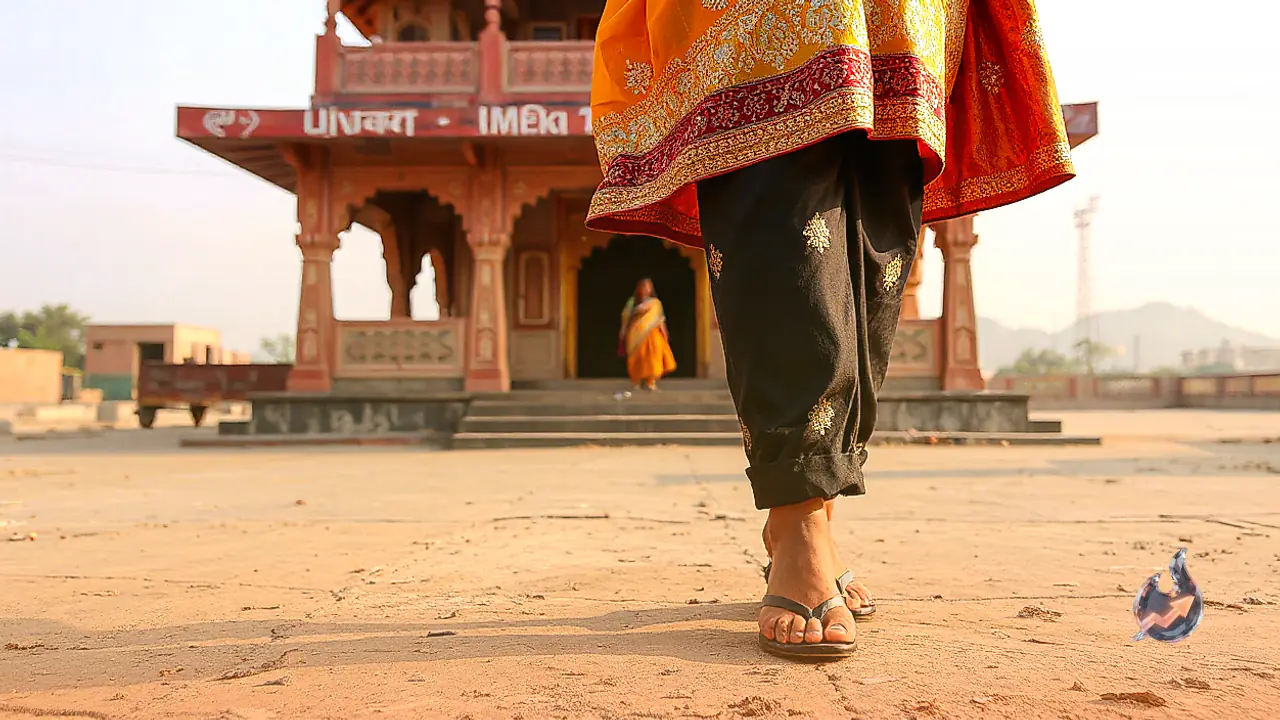
For those who prefer a rooted, traditional aesthetic, finely embroidered juttis and mojaris serve as the ideal choice. These flat footwear options effortlessly complement a wide range of Indian garments, including silk sarees, salwar suits, Anarkali dresses, and heavy sharara sets. Their greatest advantage is that they completely eliminate the fatigue associated with high heels, allowing your feet to rest flat on the ground.
Styling with Sarees: Vibrant embroidered juttis look exceptional when paired with cotton, Chanderi, silk, or lightweight georgette sarees. If your saree features heavy zari or sequence work, select a minimalist jutti design to maintain a clean, balanced aesthetic.
Styling with Suits and Shararas: Punjabi juttis and mojaris add a royal, polished touch to straight-cut suits, flowy Anarkalis, and ornate sharara sets.
Popular Design Varieties: Current market trends feature juttis decorated with silk thread embroidery, mirror work, seed pearls, and vibrant floral threadwork. Matching the shoe ornamentation with the border or embroidery of your outfit creates a cohesive ensemble.
2. Block Heels: Stability and Elevation for Heavy Lehengas and Sarees
If you plan to wear a heavily embellished lehenga or a floor-length saree this Diwali, block heels are a practical and stylish solution. Unlike thin pencil heels or stilettos, block heels feature a broad base that distributes body weight evenly across the foot. This structural stability prevents ankle strain during long hours of standing or walking between venues.
Styling with Lehengas: Extra-long lehengas can drag along the ground if worn flat. Wearing block heels lifts the hemline cleanly above the floor while preserving the flared volume of the outfit. Matching the heel shade to the lehenga fabric or picking classic metallic gold works best.
Styling with Sarees: Metallic block heels in gold or silver finishes pair naturally with Banarasi, Kanjeevaram, and heavy georgette sarees. They provide subtle height, allowing the saree pleats and pallu to drape gracefully.
Design Choices: Look for block heels with zardozi threadwork, metallic foil finishes, or embroidered straps. Square-toe block heels are particularly beneficial as they offer ample toe box room, preventing forefoot compression.
3. Wedge Sandals: Modern Elegance for Indo-Western and Fusion Outfits
For women choosing contemporary silhouettes such as dhoti pants, cape sets, fusion gowns, co-ord sets, or modern pre-draped sarees, wedge sandals offer the perfect pairing. Wedges feature a continuous sole running from the heel to the toe box, providing comprehensive arch support and balanced weight distribution that many find far more comfortable than stiletto heels.
Styling with Fusion Outfits: Wedges look sleek alongside asymmetrical kurtis, dhoti trousers, and layered cape ensembles. If your fusion outfit is relatively understated, choose heavily embellished or stone-adorned wedge sandals to serve as a focal point.
Color and Finish Options: Rose gold, polished yellow gold, and reflective silver wedge sandals complement festive color palettes seamlessly. Alternatively, selecting neutral or nude tones ensures the footwear can be repurposed easily for casual wear after the holiday season.
Essential Footwear Purchasing and Pre-Festive Preparation Tips
When shopping for new festive footwear, prioritize correct sizing and foot alignment over appearance alone. Take a brief walk around the store to verify that the straps or heel backs do not pinch or rub against your skin. Avoid buying shoes that are uncomfortably tight with the expectation that they will stretch significantly.
A helpful tip is to break in new footwear at home one or two days before the festival. Wearing them indoors for brief periods allows the materials to conform to your foot shape and reveals any potential pressure points. If a seam or strap rubs uncomfortably against your skin, apply protective blister pads before heading out to prevent skin irritation.