




















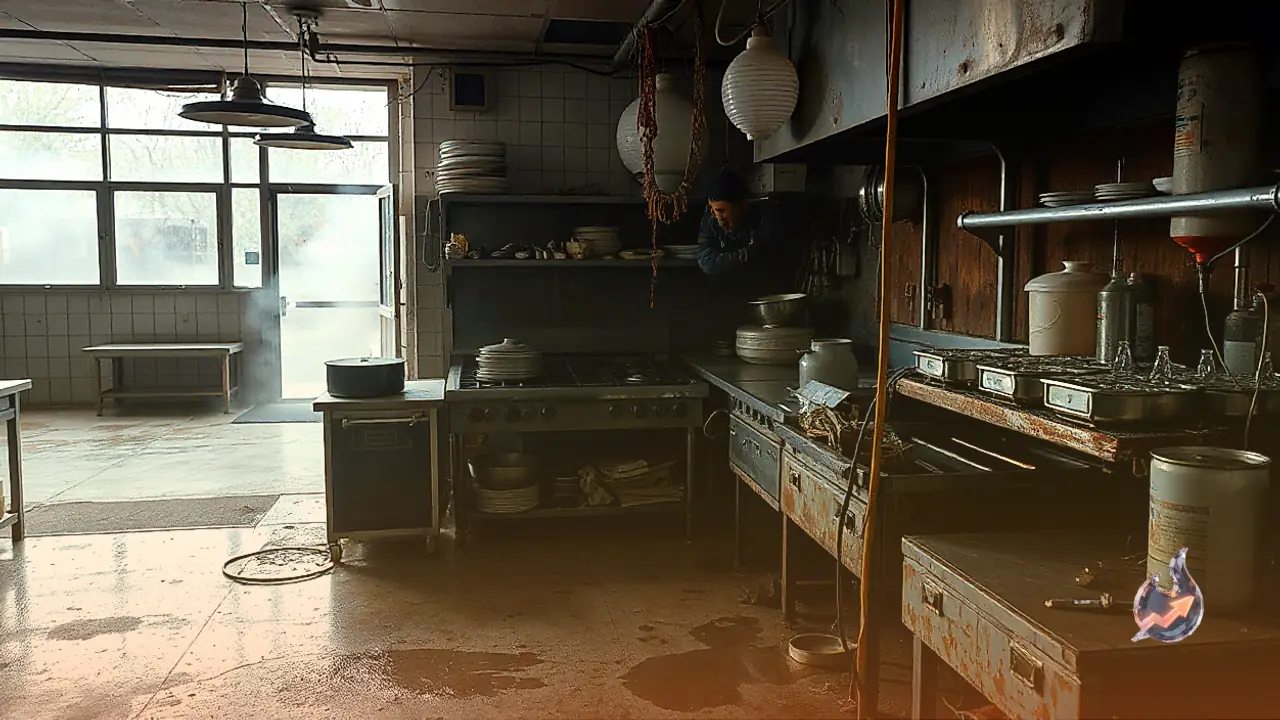

Daily cooking in the kitchen inevitably releases oil droplets, spice residue, and steam into the air. Over time, these airborne particles settle directly onto light bulbs and fixture covers, turning into a sticky film. Beyond making the fixtures look unsightly, this accumulated grime drastically cuts down the light output across the cooking area. Regular and proper cleaning of these fixtures is essential not only to preserve hygiene and brightness but also to maintain electrical safety inside the home.
Crucial Safety Steps Before You Begin
Working on any electrical fitting requires strict caution right from the start. Turn off the fixture switch completely, and if possible, shut down the main power supply as an added safety measure. Never attempt to wipe a bulb that has recently been on, as hot glass can easily crack upon contact with a cooler cloth. Allow the bulb to sit undisturbed for a few minutes until it cools down completely to room temperature before beginning any physical contact.
Clearing Loose Dust First
Before introducing any liquid solution, take a dry, soft cloth or a microfiber towel to wipe away the loose dust resting on the surface. Skipping this initial dry wipe can cause dry dirt to blend with the cleaning liquid, creating a messy paste that spreads over the glass and makes scrubbing unnecessarily difficult. Clearing away loose debris first keeps the subsequent deep cleaning steps smooth and quick.
The Water and White Vinegar Solution
White vinegar acts as an effective natural solvent capable of breaking down tough, hardened cooking oils. Combine equal parts of water and white vinegar in a small bowl. Dip a clean cloth lightly into this mixture and wring it out thoroughly until no drops drip from the fabric, ensuring the cloth remains only slightly damp. Gently wipe down the outer surface of the bulb and its surrounding fixture, focusing on areas where grease accumulation is thickest. If heavy oil marks persist, repeat the gentle wiping motion with the wrung-out cloth once more.
Tackling Stubborn Grease With Baking Soda
In cases where the outer shade or protective bulb cover has developed an exceptionally stubborn layer of grime, baking soda offers additional lifting power. Mix a small amount of baking soda with just enough water to create a thick paste. Spread this paste directly onto the heavily greased spots and let it sit for a few minutes to loosen the bond. Once the paste has had time to work, wipe the area thoroughly with a soft cloth to lift away the remaining residue.
Complete Drying and Routine Maintenance
Once the grease has been lifted, removing all residual moisture is critical before restoring current. Take a completely dry cloth and wipe down the bulb, shade, and adjacent fittings to ensure not a single trace of dampness remains. Only after the area is verified to be entirely dry should the electrical supply be turned back on. Repeating this light cleaning routine every two to three weeks prevents thick layers from forming again, ensuring optimal brightness and a fresh look in your kitchen.