

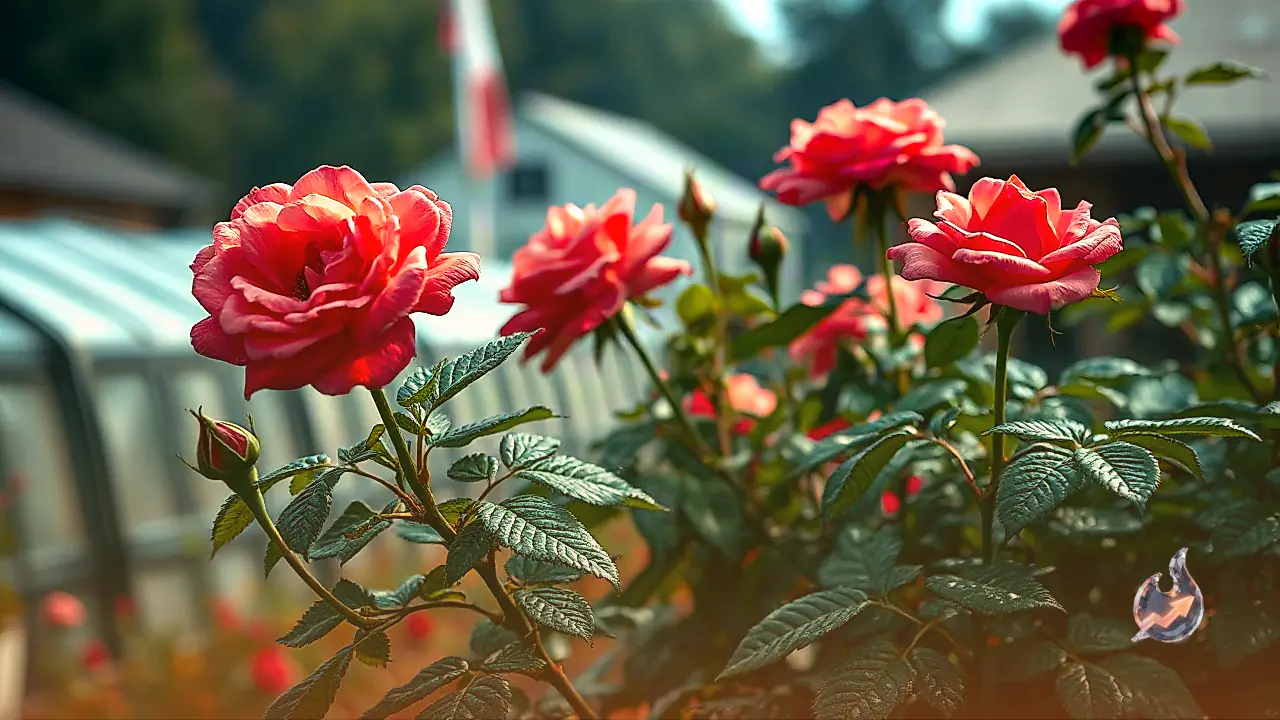



















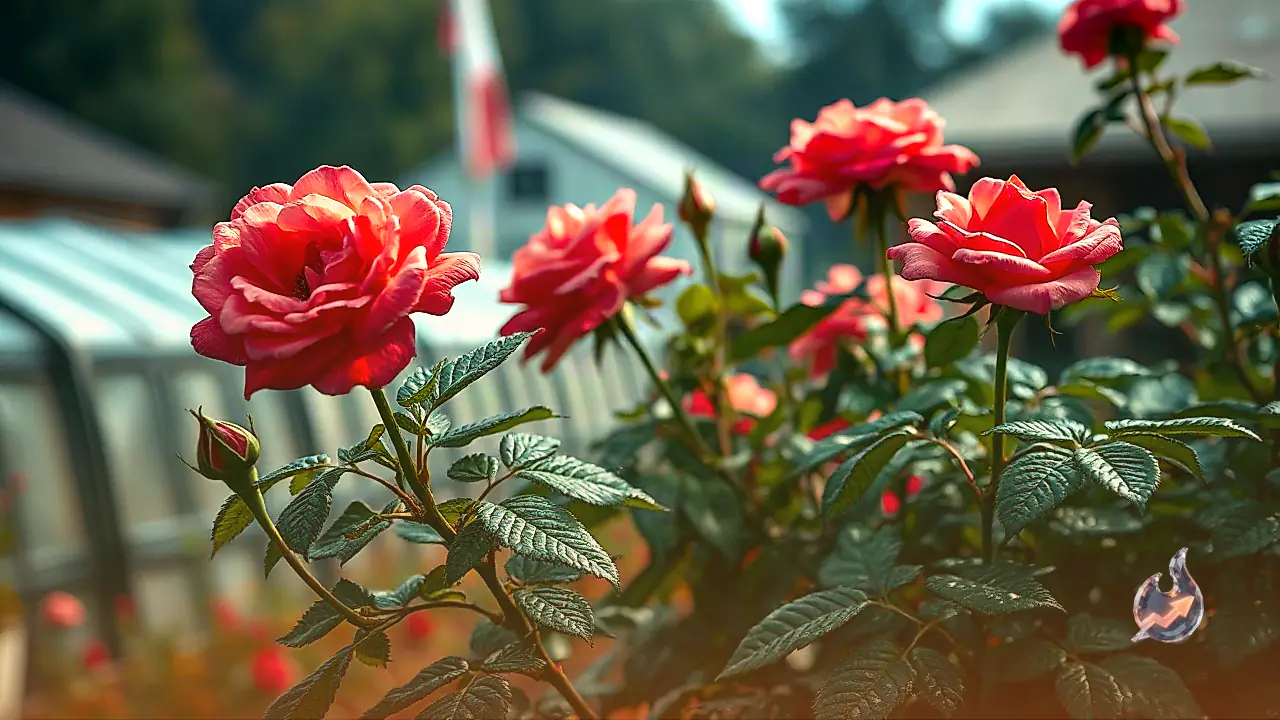

Rose plants demand focused attention the moment the monsoon season draws to a close. During this transitional weather period, failing to provide proper care allows fungal outbreaks and plant diseases to multiply swiftly due to lingering dampness. Whether growing roses in containers on home terraces or cultivating them commercially in open fields, carrying out a few crucial tasks right after the rains guarantees an abundance of large, radiant blossoms in the approaching flowering season. Clearing decayed foliage, executing gentle pruning, and enriching the soil with well-balanced organic fertilizers form the cornerstone of plant health at this stage.
Clearing Decayed Foliage and Gentle Branch Pruning
Progressive young farmer Ranjodh Singh explains that rose plants enter their most fragile state immediately following the monsoon. High moisture retained in the soil paired with atmospheric humidity sharply escalates the vulnerability to fungal spread. Gardeners and commercial growers must first thoroughly clear out all rotten, dropped, and decaying leaves from the container base or farm beds. These discarded leaves serve as the primary breeding ground for mildew and detrimental diseases. Alongside ground clearance, any dried, blackened, or infected stems should be lightly trimmed away. It is vital to avoid deep or severe pruning at this stage. Light trimming stimulates the emergence of robust new shoots, while maintaining clean surroundings allows sunlight and fresh air to penetrate the entire plant structure evenly.
Loosening Topsoil and Applying Nutrient-Rich Compost
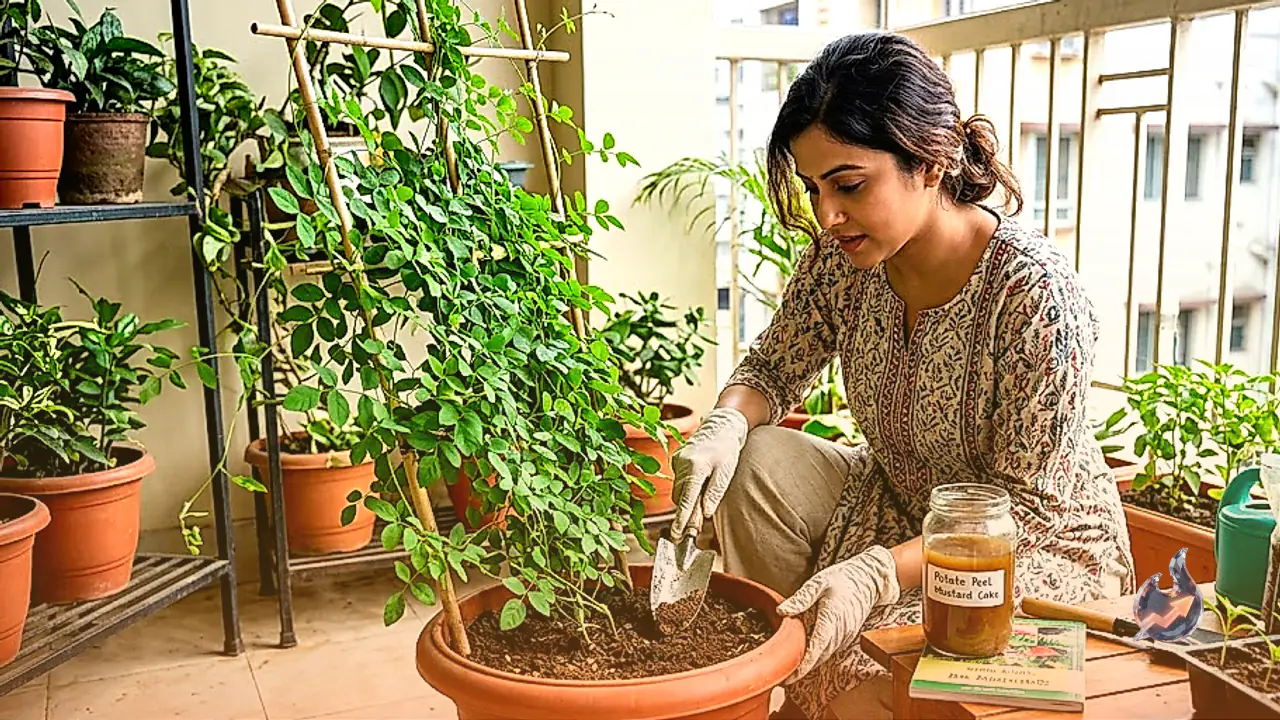
Once the bed is free of debris, gently hoeing the top layer of soil in pots or garden beds yields significant benefits. This loosening process breaks compacted crusts, enabling oxygen to circulate directly around the root zones while substantially lowering fungal moisture pockets. Immediately after aeration, apply fully decomposed cow dung manure or vermicompost around each plant. This rich organic feed delivers critical nutrients that prompt rapid new shoot formation. When roots absorb balanced nourishment during this window, the developing buds grow noticeably larger, exhibit richer color, and retain their freshness for longer periods on the stem.
Neem Oil Sprays and Vigilant Pest Defense
The weeks following the monsoon mark the peak window for attacks by fungal pathogens and microscopic garden pests. To keep these infestations at bay, spray an emulsion of neem oil mixed in water across the foliage once every week. If fungal patches appear more aggressive, an appropriate fungicide can be applied to curb the damage. Conducting these spray applications during the evening hours proves most effective, avoiding direct daytime heat. Routine visual inspections make it possible to identify and arrest plant ailments in their earliest phases, ensuring that upcoming flower clusters bloom in prime condition.
Maximizing Yields for Farms and Home Gardens
For growers engaged in commercial floriculture, adopting this post-monsoon management strategy directly enhances harvest volume and market profit. Well-timed irrigation and fertilizing routines improve petal density, bud size, and transport durability, commanding premium prices in wholesale floral markets. For household plant enthusiasts, these straightforward maintenance habits will revitalize balcony pots with dense emerald leaves and vibrant roses. Dedicating moderate effort right after the rains ensures that both open fields and domestic gardens stay fragrant throughout the flowering cycle.