























Monsoon weather frequently drives various crawling pests indoors, with centipedes being among the most unsettling intruders found in living spaces. These creatures are inherently drawn to dark, damp, and cool environments, clustering wherever stagnant water pools or around wet indoor plants and drainage channels. When these multi-legged pests begin appearing regularly across rooms and washrooms, implementing structured, practical household measures can successfully contain their entry and nesting habits.
Eliminating Dampness and Improving Daily Ventilation
Centipedes depend heavily on moisture to survive, which makes damp corners their primary natural refuge. Preventing water stagnation across functional storage spaces, such as areas designated for keeping potatoes and fresh produce, is a vital first step. Homeowners should run exhaust fans consistently and keep ventilation windows open to cycle fresh air through moist chambers. Depriving centipedes of damp air and standing puddles immediately reduces the humidity levels they require to settle indoors.
Securing Open Outlets and Maintaining Drain Hygiene
Drainage pipes in washrooms and kitchen wash areas act as primary corridors through which centipedes enter homes. Fitting tightly measured covers or fine mesh grates over every open outlet prevents pests from crawling upward into the rooms. Alongside physical barriers, residents must perform regular cleaning routines to clear away accumulated organic waste, grease, and hair from inside the plumbing line. Keeping the drains clear denies these pests the hidden organic residue they often feed on or nest around.
Sealing Wall Crevices and Gaps Around Plumbing
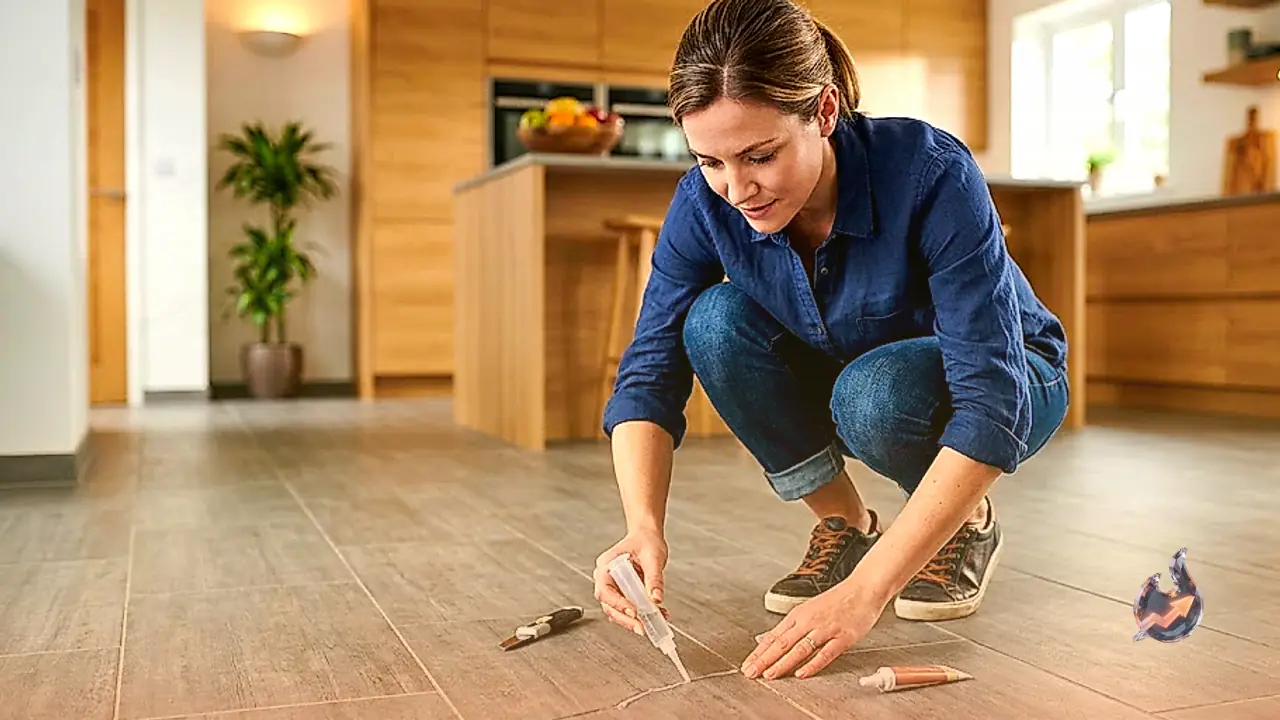
Tiny fractures in wall plaster, loose floor grout, and unsealed cavities around inlet water pipes offer ideal entry routes and daylight shelters for centipedes. Because their flat bodies slide easily through tiny gaps, every vulnerable line along baseboards and plumbing entry points requires a thorough inspection. Applying durable waterproof sealants or specialized masonry grout directly over these openings permanently cuts off hidden pathways between interior rooms and outer foundations.
Clearing Clutter and Discarding Moisture-Laden Waste
Piles of neglected debris, broken masonry, dry or rotting coconut husks, and damp wooden scraps generate perfect microclimates for bugs to multiply unnoticed. Utility corners, basements, and general storage zones must stay free of discarded household items. Any material that has absorbed moisture should be removed immediately or laid out in direct sunlight to dry completely. Denying pests these dark, untended surface piles dramatically shrinks the available living room for centipedes inside the perimeter.
Utilizing Neem Leaf Infusions for Floor Sanitation
Soaking fresh neem leaves in water produces a traditional cleansing rinse that aids in repelling common crawling pests. Homeowners can apply this herbal water directly during floor mopping and when scrubbing boundary tiles and corners. While herbal washing alone does not serve as an absolute, permanent extermination cure, integrating it into a disciplined regimen of thorough sanitization and moisture management offers substantial protection against persistent centipede visits.