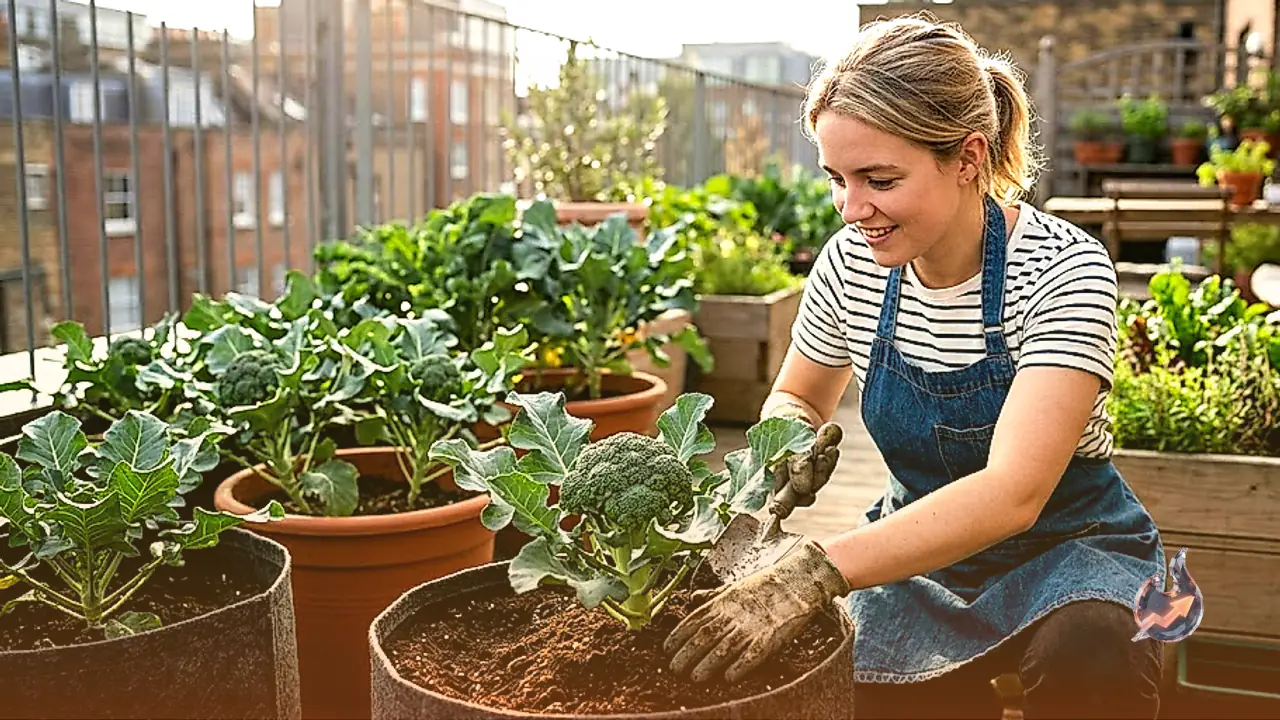



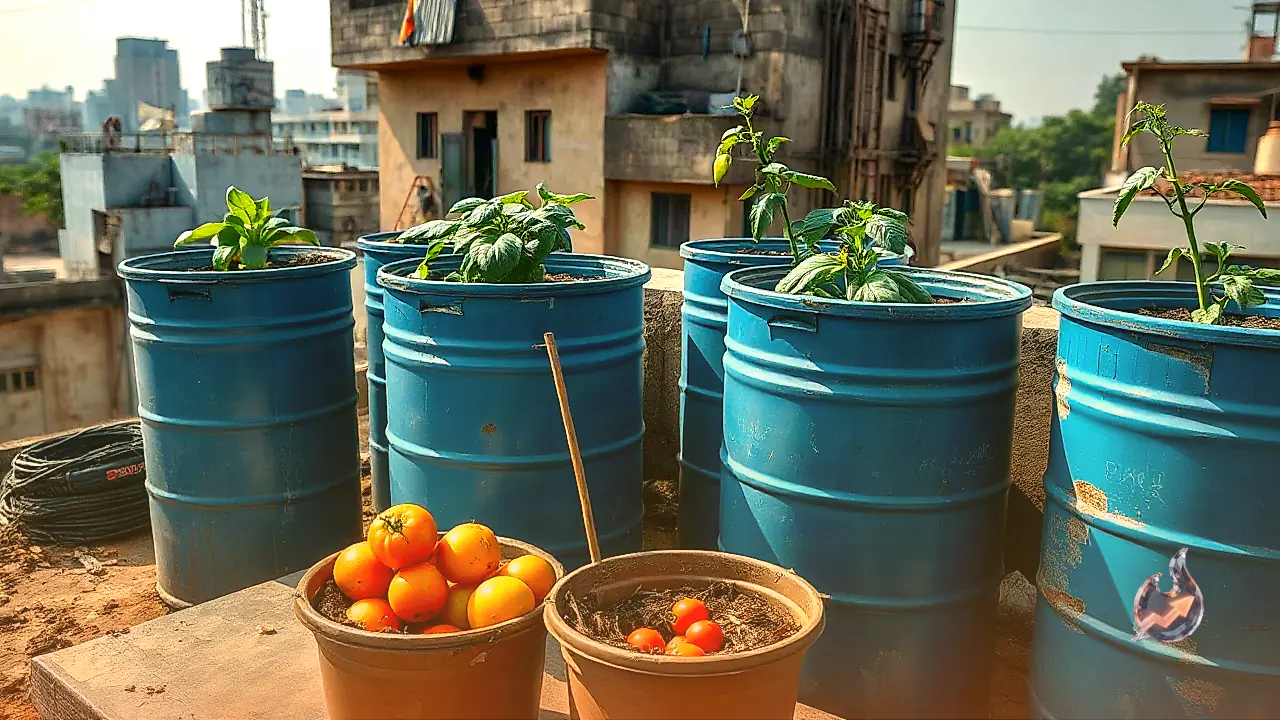



















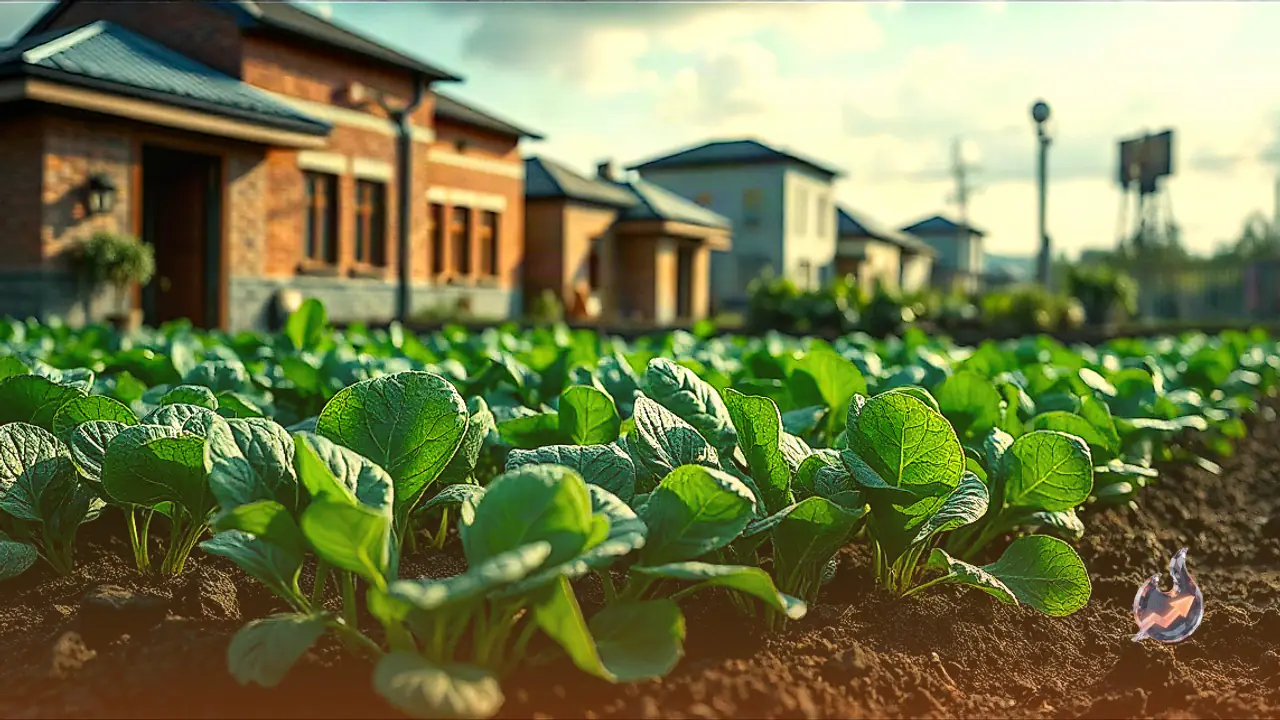

Cultivating leafy greens at home provides an effortless way to access fresh, chemical-free produce directly from a terrace or balcony. Spinach stands out as one of the most practical vegetables for small spaces, thriving easily in containers, pots, or shallow garden beds without demanding wide agricultural plots. The key to harvesting robust and dense spinach leaves lies in matching suitable soil amendments with adequate sunlight, mindful watering, and consistent basic plant maintenance. Feeding the soil with the right organic nutrients early on stimulates vigorous foliage and stronger root systems.
Three Natural Soil Amendments for Optimal Growth
Before sowing any seeds, enhancing soil fertility is crucial. Blending three specific organic materials ensures the plant receives comprehensive nutrition throughout its lifecycle
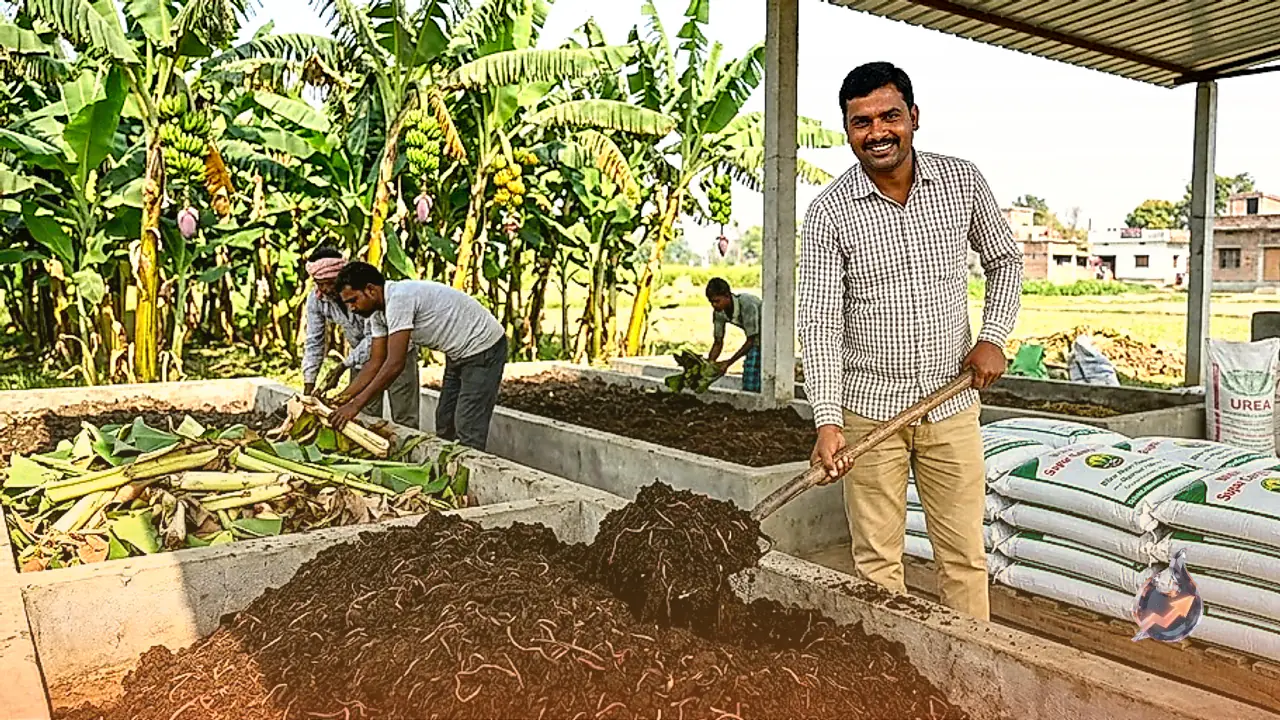
- Well-rotted vermicompost: Incorporating thoroughly decomposed vermicompost significantly elevates organic matter and essential nutrient levels. Maintaining vermicompost at approximately 20 to 25 percent of the total potting mix delivers the ideal nutritional balance for leaf growth.
- Aged cow dung manure: Well-composted, mature cow manure improves soil structure, aeration, and long-term fertility. It is critical to avoid applying fresh raw manure directly near seeds, as the heat and composition of unaged manure can burn or destroy delicate seeds.
- Neem cake powder: Adding a modest amount of neem cake enhances organic richness while maintaining overall soil health. Excessive amounts are unnecessary; a small proportion adjusted to the pot size blended thoroughly into the soil provides sufficient benefits.
Selecting Containers and Preparing the Potting Mix
The planting process begins with picking an appropriate container. Choose a pot or planter box that provides a minimum depth of 6 to 8 inches. The base must feature adequate drainage holes to prevent standing water at root level. Combine regular soil thoroughly with the vermicompost, aged cow dung manure, and a dash of neem cake until the potting mixture becomes uniform and light.
Sowing Seeds and Irrigation Management
Scatter spinach seeds across the prepared soil surface, leaving measured space between them rather than crowding them in clusters. Cover the seeds gently with a thin layer of fine soil. Immediately after sowing, apply water gradually using a gentle spray to avoid dislodging the seeds.
Maintaining consistent moisture is vital for successful seed germination. However, soil must never become waterlogged or swampy, as excess stagnant moisture easily rots seeds and damages delicate developing roots. The most reliable routine is to inspect the surface layer regularly, watering only when the topsoil feels dry to the touch while adjusting for local temperature and weather conditions.
Sunlight Requirements and Thinning Techniques
Spinach plants require several hours of daylight each day to develop lush green leaves. Position the pots in spots that receive unobstructed natural light and open airflow.
Once the seeds sprout, examine the density of the seedlings. If the tiny sprouts emerge too close together, gently pluck out excess seedlings. This thinning process ensures the remaining healthy plants possess adequate physical space, sunlight access, and soil nutrients to mature into full, dense clusters of broad foliage.