























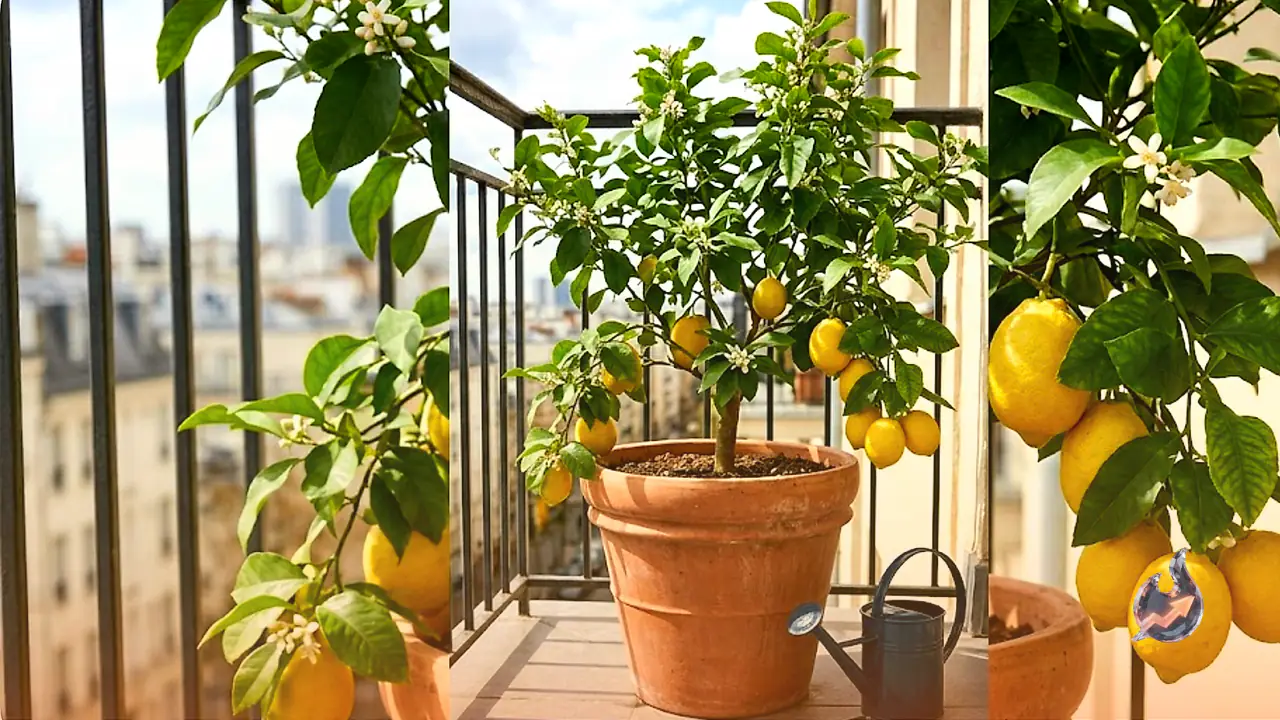

Adding greenery to your home balcony brings a sense of tranquility, but having a lemon plant that provides fresh fruit whenever you need it is truly rewarding. Many people mistakenly believe that lemon trees only thrive in large garden plots, but with the right container, proper soil, and consistent care, they grow remarkably well in pots. Once the plant is well-established, it can provide a steady supply of juicy lemons for several years. Transforming your balcony or rooftop into a mini-orchard is a simple task if you follow a few essential guidelines.
Choosing the Right Pot and Variety
The first step is selecting an appropriate container and lemon variety. Opt for a pot that is at least 35 to 40 centimeters deep and ensures there are sufficient drainage holes at the base. Small pots can restrict root growth, so space is crucial. Ideally, choose container-friendly varieties like Meyer or Lisbon lemon. These varieties adapt well to pot cultivation and start producing fruit much faster than others.
Perfecting the Soil Mixture
Lemon plants dislike heavy or clay-like soil. To ensure healthy growth, create a potting mix that combines standard garden soil with well-aged compost, a bit of sand, and coco-peat. This blend prevents waterlogging and ensures that air reaches the roots, which is vital for the plant's development and eventual fruit production.
Sunlight and Irrigation Balance
Lemon trees thrive in sunlight and require at least six hours of direct sun daily. Place your container in a spot on your balcony that receives ample morning or afternoon light. Proper sun exposure is directly linked to better flowering and higher-quality fruit. Regarding watering, avoid the common mistake of daily watering. Instead, check the top layer of the soil; if the soil feels dry two to three inches deep, water it thoroughly. Overwatering can lead to root rot, so moderation is key.
The Importance of Fertilizers and Pruning
A lemon plant requires consistent nutrition to remain productive. During the growth season, apply a specialized citrus fertilizer every four to six weeks. Balanced feeding keeps the foliage green and ensures the fruit grows to an optimal size. Furthermore, periodic pruning is essential to keep the plant from becoming unruly. Trim away dead, weak, or crossing branches to improve air circulation within the canopy, which promotes the growth of new, healthy shoots. Light pruning also helps maintain a tidy, attractive shape.
Seasonal Protection
If the weather becomes excessively hot, you may shift the pot to a shaded area during the peak afternoon hours. In contrast, during intense winter cold, covering the plant with a light cloth can protect it from frost. Simple seasonal adjustments go a long way in keeping your plant healthy.
Ongoing Maintenance and Benefits
Keep a regular watch on your plant's health. If you notice yellowing leaves or signs of pests, treat them promptly. Regularly remove fallen leaves and dried twigs to keep the plant clean. Homegrown lemons are fresher and more aromatic than those bought from the market. Beyond the utility of fresh fruit, the plant significantly enhances the beauty of your balcony, creating a vibrant and refreshing environment in your home. With just a little consistent effort, you will reap the benefits of fresh lemons for a long time.