






















Pickles hold a special place in traditional households, serving both as a meal enhancer and a long-lasting food item. Maintaining the authentic taste, vibrant color, and rich aroma of a pickle requires proper storage techniques. If a pickle is stored in an unsuitable container or handled incorrectly, it can spoil quite rapidly. Therefore, understanding the right vessels and methods for preservation is essential for keeping pickles in top condition over extended periods.
Choosing the Right Containers for Storage
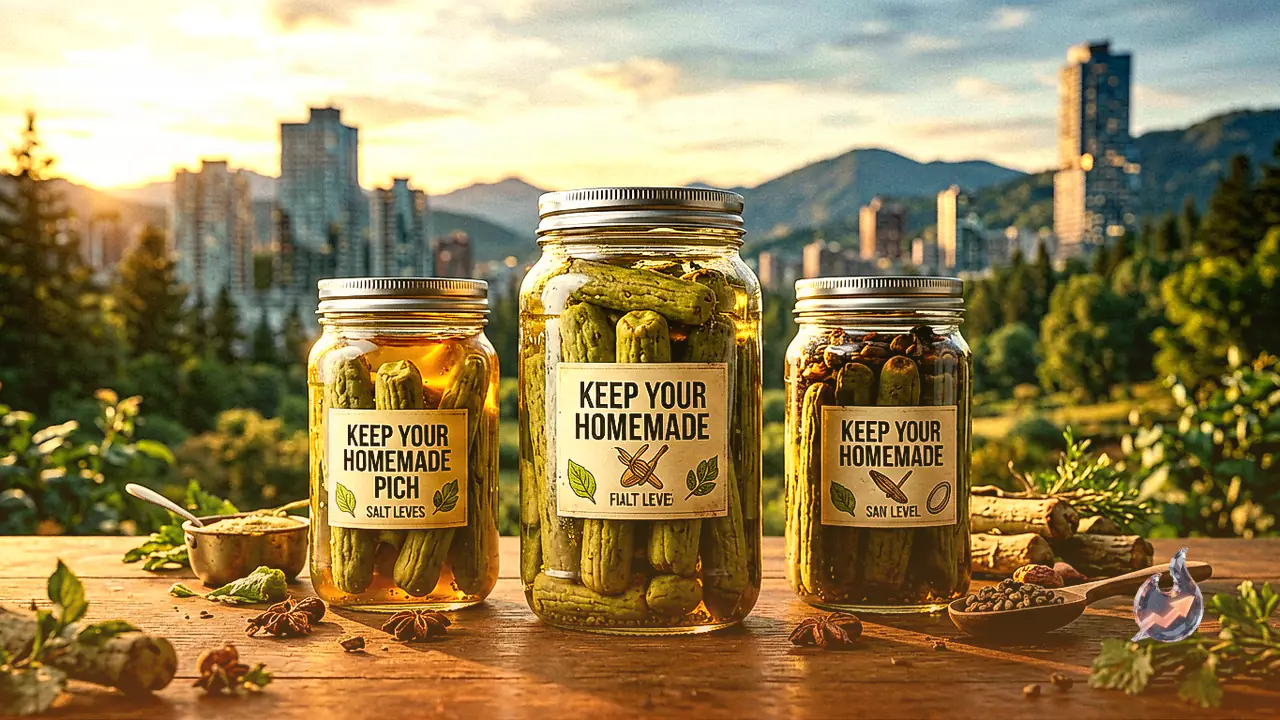
The most suitable containers for keeping pickles safe are glass jars, ceramic crots, and food-grade plastic containers. Traditionally, Indian households have relied heavily on earthenware or ceramic jars because they maintain the quality of pickles over long durations. Glass jars are also considered excellent choices because they do not trigger chemical reactions, allowing the original flavor to remain intact. While stainless steel vessels can be used temporarily, pickles should never be stored in aluminum, copper, or brass containers. The salt and acidic components present in pickles react adversely with these metals, which can ruin the taste and spoil the overall quality.
Keeping moisture away from the storage vessel is critical. Pickles must always be stored in thoroughly clean and completely dry containers. Even a minor trace of moisture inside the jar significantly increases the likelihood of mold growth. Consequently, jars and pots should be washed properly and dried under the sun before filling them with pickles. When serving, only a clean and completely dry spoon should be used. A wet spoon introduces unwanted moisture, causing the pickle to spoil prematurely. Furthermore, the lid of the container must be tightly secured at all times to prevent air, dust, and germs from entering.
The Vital Role of Oil and Salt
Oil and salt play crucial roles in preserving pickles for extended periods. Oil creates a protective layer over the pickle, shielding it from direct exposure to air. Therefore, in oil-based pickles, it is important to ensure that the pieces remain completely submerged beneath the oil layer. Salt functions as a natural preservative, inhibiting spoilage and maintaining the savory profile of the pickle over time. Exposing pickle jars to sunlight periodically is another effective practice, as the sun helps eliminate excess moisture and enhances the overall flavor, especially during the initial days after preparation.