





















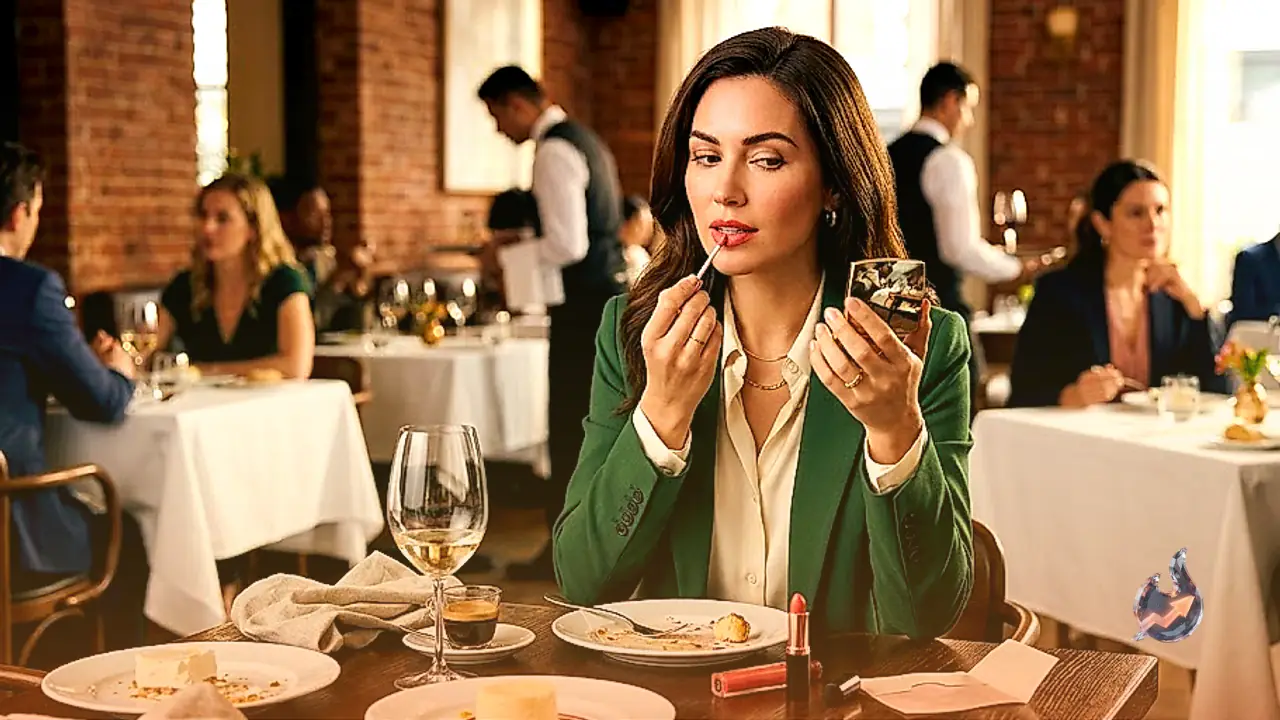

One of the most frustrating beauty dilemmas occurs when a carefully applied lip color begins to fade after having a meal or a drink. The issue becomes even more noticeable when lip gloss is applied on top, as the slick layer can easily cause the underlying pigment to wear off, leaving the center of the lips completely bare while only the perimeter remains. By mastering the proper way to build up the product in thin, purposeful layers, it is entirely possible to extend the wear time of the color while retaining a flattering glossy finish.
Prepping the Lips and Creating a Solid Base
Ensuring that the lips are properly prepped is the foundation of any long-lasting makeup application. When lips are excessively dry, chapped, or uneven, pigment clings irregularly, resulting in patchy areas where the shade looks darker in some spots and faded in others. To counter this, smooth on a light layer of lip balm and let it sit for a short time. Next, press a clean tissue against the mouth to blot away any excess residue. This removes greasy oils while leaving the skin supple enough for products to adhere smoothly.
The next essential step is defining the lips with a matching lip liner. Instead of drawing a simple perimeter around the edges, lightly shade inward across the entire surface of the lips. Filling in the body of the lips creates a grippy, pigmented base that anchors the upcoming color. Selecting a liner shade that closely mirrors the lipstick ensures a cohesive, seamless appearance throughout wear.
Applying Thin Coats and the Blotting Technique
With the base locked in, apply the initial coat of lipstick. Rather than slathering on a heavy amount all at once, applying a thin, controlled veil yields far superior results. After sweeping on the product, resist the habit of rubbing the lips together right away. Allowing the formula to rest undisturbed for several seconds gives the product adequate time to settle onto the skin.
To guarantee extended durability, the blotting technique makes a noticeable difference. Place a single sheet of thin tissue gently between the lips and press lightly to lift away excess moisture and surplus pigment. Following this blotting step, sweep on a second thin coat of lipstick. Building up the color through this precise layering routine reinforces the pigment and prevents premature sliding.
Strategic Placement of Lip Gloss
For those who prefer a dewy, high-shine appearance, gloss serves as the final decorative step. A frequent mistake is spreading a thick coat across the entire mouth, which breaks down the base color and speeds up product migration. Instead, dab a small amount solely onto the middle section of the lips. Focusing a touch of gloss right at the center of the lower lip reflects light, giving the illusion of a fuller, plumper pout without disrupting the lipstick beneath.
Simple Touch-Up Routines After Eating
When pigment inevitably softens after snacking or having a beverage, there is no need to wipe everything off and begin again from scratch. Simply press a dry tissue against the mouth to remove any stray oils, then lightly dab a small amount of lipstick exclusively over the areas where the color has diminished. Finish with a gentle dab of gloss in the center. Realistically, no cosmetic application is completely impervious to food and drink, so carrying out a quick targeted touch-up remains entirely practical and expected.