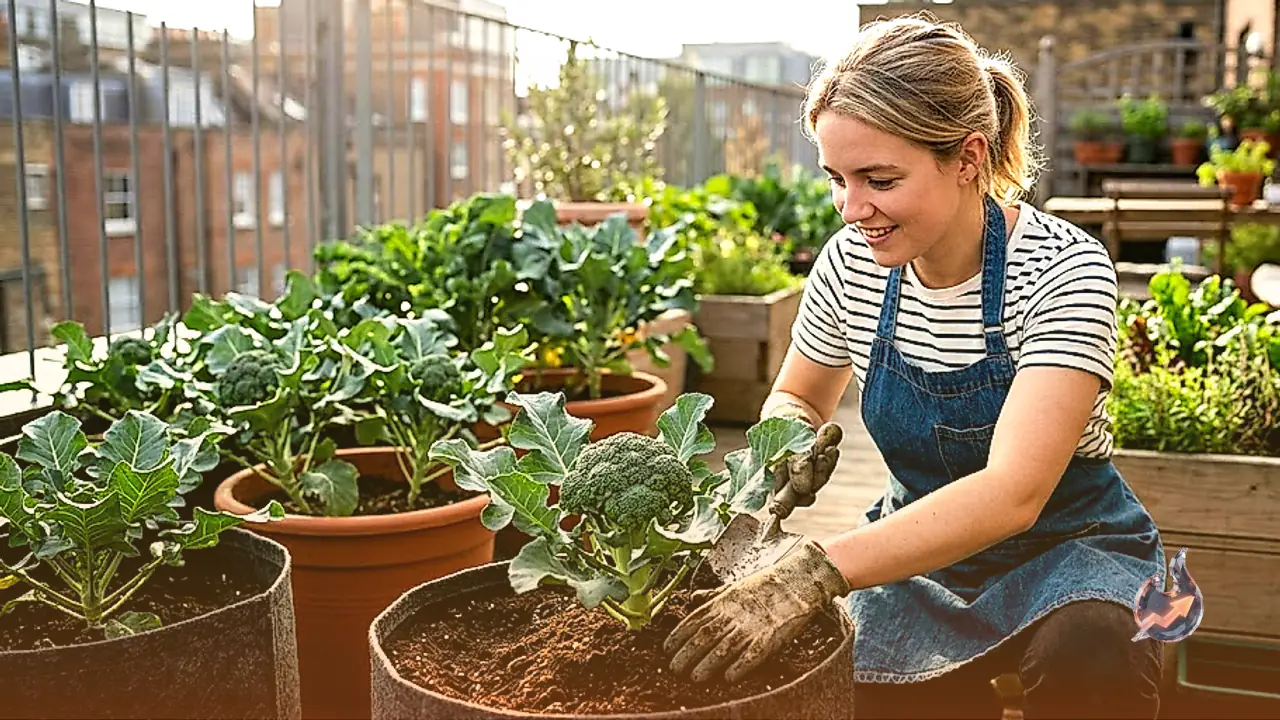
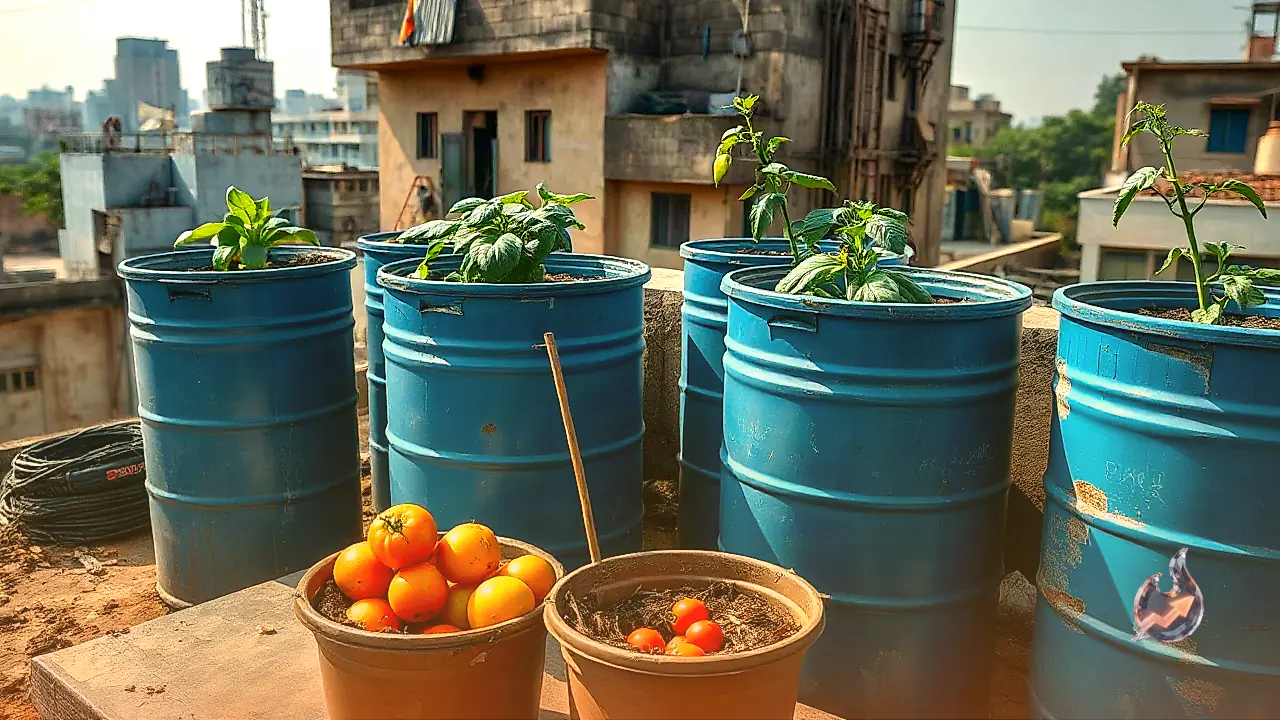







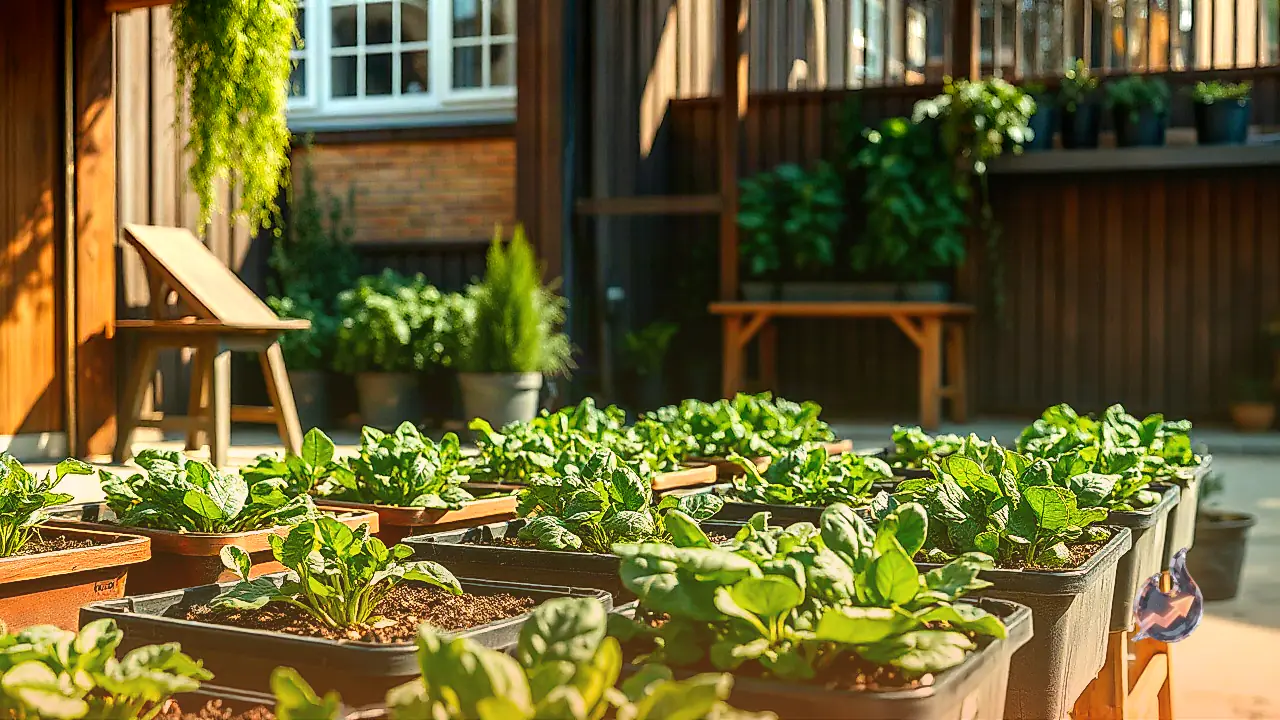
















Nurturing a home garden brings immense satisfaction, but the journey from planting seeds to harvesting healthy produce requires constant care. Gardeners spend significant time preparing suitable soil, procuring healthy saplings, providing balanced organic manure, and maintaining optimal sunlight and moisture. However, gardening often presents tough hurdles right when plants begin putting out fresh foliage and prepare for fruiting, as destructive pests quickly target tender growth. Watching insects damage healthy plants is frustrating, especially since bug infestations rarely disappear after a single casual treatment. Rather than turning to harsh chemicals that ruin soil health, preparing a homemade neem oil solution provides an ideal organic remedy.
Extracting Herbal Neem Oil with Coconut Oil on Low Heat
Creating pure neem oil at home begins with collecting fresh neem foliage. Rinse the leaves thoroughly under clean water to eliminate accumulated dust, grime, and environmental residue. Next, measure out pure coconut oil and place both the washed leaves and the oil together into a blender or mixer grinder. Grind the contents thoroughly until they form a smooth, consistent herbal paste.
Transfer this green paste directly into an open cooking pan or wok and place it on the stove over low heat. It is essential to stir the mixture periodically to ensure it cooks evenly and does not scorch against the bottom of the pan. Allow the paste to simmer gently for about 10 minutes. During this brief cooking window, the oil will undergo a visible change in colour as the active properties of the neem foliage infuse completely into the warm coconut oil base.
Filtering the Oil and Preparing the Foliar Spray Mix
Once the 10 minutes have elapsed and the colour has transformed, take the pan off the heat and allow the oil to cool down to room temperature. Once the oil has cooled sufficiently, pass it through a fine sieve or a piece of clean cotton cloth to remove all solid plant debris. The clear, strained neem oil is now ready and can be stored in a clean spray bottle or airtight container. This natural formulation carries the advantage of keeping the container soil completely safe from toxic residues.
To turn this concentrate into a usable garden spray, mix just 5 ml of the homemade neem oil into one litre of clean water. Because natural oil does not readily blend with water, add a small quantity of shampoo, liquid soap, or liquid detergent to act as an emulsifier. This helps the oil distribute evenly throughout the liquid. For best results, apply this spray directly to the plants during the evening hours, which prevents leaf scorch under direct sun exposure.
Brewing Concentrated Leaf Decoction for Organic Pest Control
Gardeners looking for an oil-free alternative can brew a potent liquid pesticide directly from neem leaves using water. Gather fresh neem leaves and wash them two to three times in clean water to ensure zero traces of dirt remain. Strip the clean leaves away from any coarse twigs and woody stems.
Next, place the clean leaves into a cooking pot containing two to two and a half litres of fresh water and bring it to a boil. Simmer the water continuously until it reduces down to roughly one-third of its starting volume. When approximately three-quarters of a litre of liquid remains, turn off the flame and allow the concentrated decoction to cool down thoroughly. Once it reaches room temperature, separate out the boiled leaves and filter the dark liquid through a clean cotton cloth before transferring it into a storage bottle.
Application Ratios, Pest Management, and Harvest Safety
To safely apply this concentrated neem brew to delicate garden plants, it must be properly diluted. In a one-litre spray bottle, combine 200 ml of the concentrated boiled neem liquid with 800 ml of fresh, clean water. This balanced dilution is gentle on plant tissue while remaining lethal to garden pests.
Mist the plants generously with the prepared mixture so the foliage, stems, and underside of leaves are completely moistened. A small amount of this diluted liquid can also be poured directly into the potting soil to treat hidden pests. The solution works particularly well against mealybugs and other common garden insects. Apply the spray either early in the morning or late in the evening, strictly avoiding harsh midday sun. Regular weekly applications will keep bug populations under control. When spraying edible plants, avoid picking fruits or vegetables for at least two days following the application.