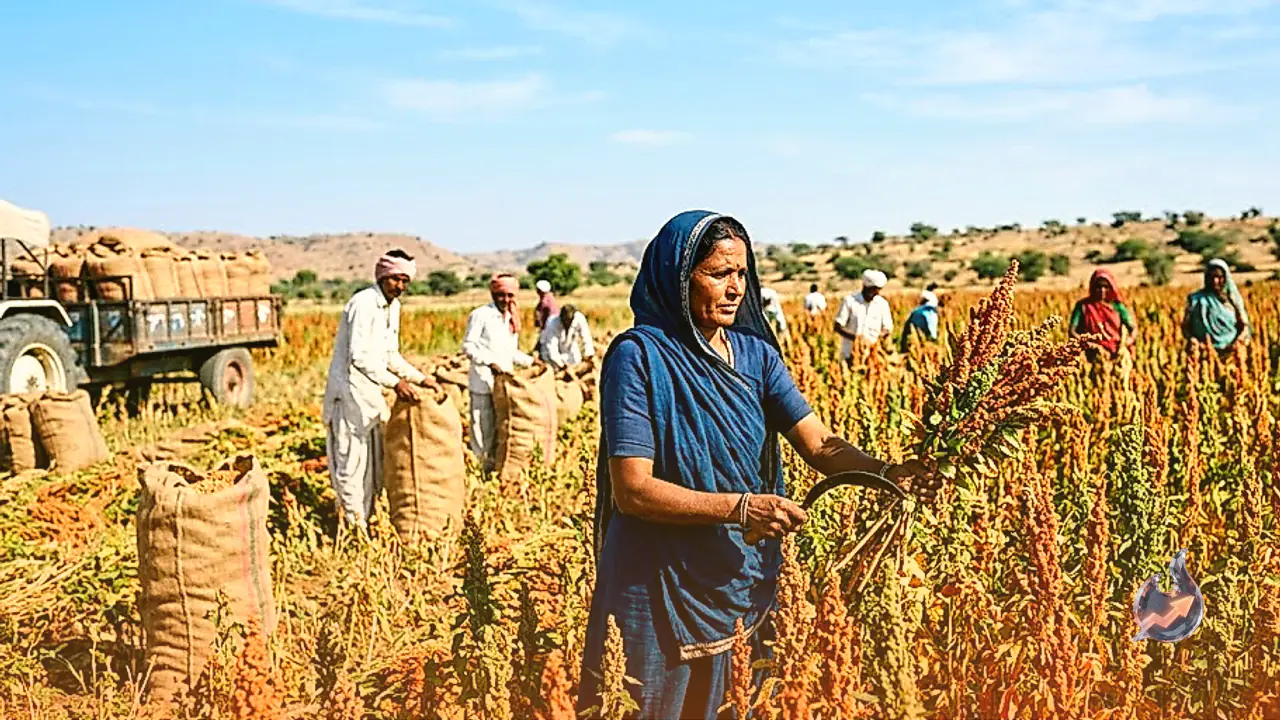




















During the rainy season in the Bastar region of Chhattisgarh, cultivating Karamatta Bhaji is an essential agricultural tradition. In local villages, preparing this leafy green vegetable involves a unique cooking technique that completely eliminates the need for cooking oil. Because no oil is added during the cooking process, the prepared dish remains exceptionally light on the stomach and digests very easily. Local residents consider it highly nutritious and beneficial for maintaining a healthy digestive system.
Minimal Spices and Ayurvedic Simplicity
Rural communities prepare this traditional green using a bare minimum of kitchen staples. The primary seasoning consists simply of turmeric powder and salt, with the optional addition of chillies for those who prefer extra heat. Even without heavy gravies or commercial spices, the natural flavors of the greens create a distinctly delicious taste. This minimalist culinary method carries therapeutic value, aligning closely with Ayurvedic principles that promote simple, unrefined cooking for overall wellness.
Beyond its dietary merits, the dish requires only a few minutes to cook from start to finish. Its light texture and savory natural taste make it a recurring household favorite throughout the rainy months. In the countryside of Bastar, households rely on a straightforward sequence of steps to prepare the vegetable in its authentic local style.
Required Ingredients
Cooking Karamatta Bhaji in the authentic regional style calls for just a handful of fresh ingredients, specifically
- 200 grams of cleaned and chopped Karamatta Bhaji
- Salt according to taste
- One-fourth teaspoon of turmeric powder
- Two medium chopped tomatoes
- Two cloves of garlic
Step-by-Step Preparation and Serving
The cooking process begins by pouring half a glass of water into a pan or kadhai along with the chopped Karamatta Bhaji, allowing the greens to simmer gently. Once the leaves begin to tenderize, one-fourth teaspoon of turmeric powder and salt to taste are added directly to the pan. The ingredients are then stirred thoroughly with a spoon to distribute the seasoning evenly through the simmering greens.
Shortly afterward, the two chopped tomatoes are incorporated into the mix and allowed to soften. When the greens and tomatoes are fully tender and cooked through, the pan is taken off the flame. For additional flavor, cooks may optionally temper the dish with garlic, green chillies, or sliced onions. Residents across rural Bastar relish this wholesome, oil-free preparation, serving it hot alongside fresh chapatis or steamed rice.