























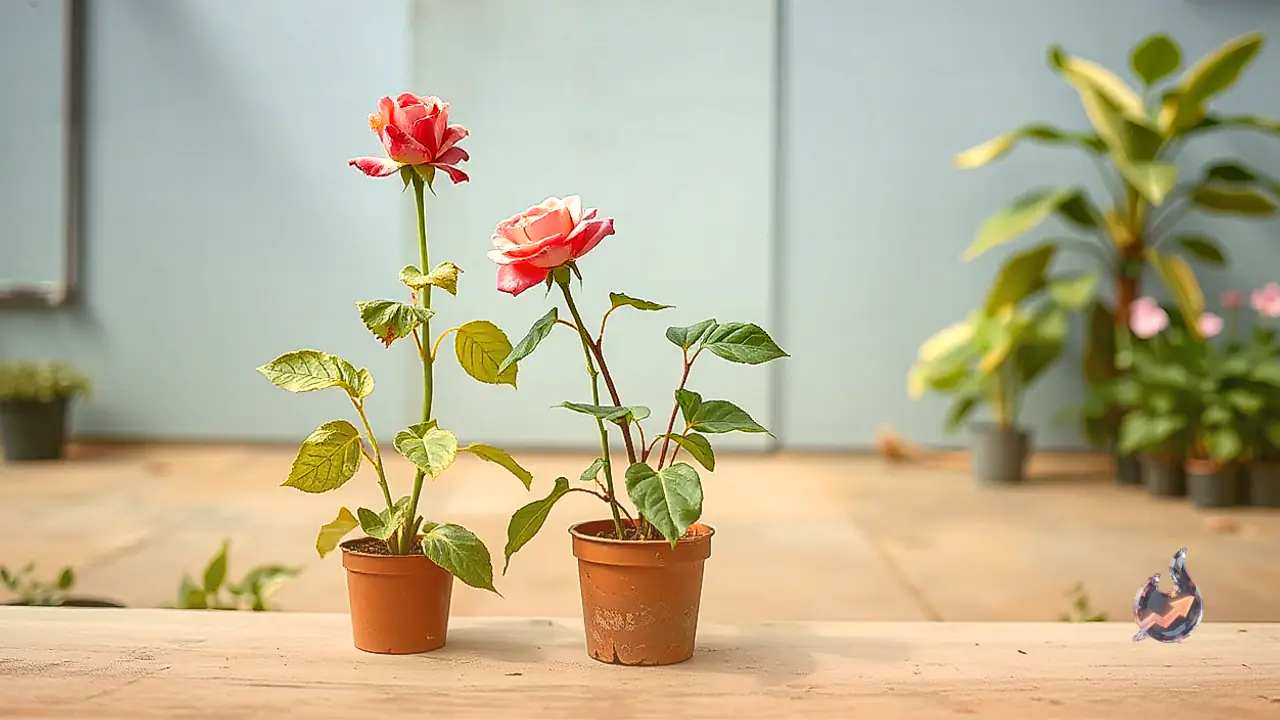

Home gardeners looking to enrich their living spaces with vibrant flowers and lush foliage during the winter season do not need to invest significant money into seeds or nursery stock. Several hardy and attractive plant varieties can be propagated successfully from a simple stem cutting taken from an established plant. Lalit, an expert who has been practicing gardening in Rampur for approximately 40 years, highlights that taking cuttings properly during the colder months allows multiple species to develop strong root systems. Understanding the right balance of soil, moisture, and cutting selection transforms an ordinary branch into a thriving plant.
Boost Indoor Greenery with Pothos Cuttings
Pothos serves as an exceptional choice for adding fresh greenery inside residential interiors. The trailing vine features vibrant green and yellow variegated foliage that brightens any indoor space. To start propagation, select an established vine and snip a stem cutting measuring between 4 and 6 inches in length. It is essential to ensure that the chosen branch has at least two leaf nodes, as cuttings devoid of nodes will fail to initiate root formation.
The collected cutting can be placed directly into a water-filled glass jar or planted in soil. If opting for soil potting, insert the stem so that one node remains buried beneath the surface while the other stays exposed above. Utilize a light, crumbly soil mix that guarantees quick drainage to avoid stagnant moisture around the cut. Position the container in a well-ventilated spot receiving gentle ambient light rather than direct sunlight. Within a matter of weeks, adventitious roots will push into the substrate, followed by the steady emergence of fresh leaves.
Establish Thriving Philodendrons in Home Pots
Philodendrons represent another popular houseplant that adapts smoothly to domestic propagation while expanding green foliage indoors. The ornamental shape and texture of their leaves create an appealing focal point. Propagation requires harvesting a 4 to 6 inch stem segment from a healthy parent branch. The cutting must include two to three distinct nodes along its length, with all foliage stripped away from the lower section.
The prepared cutting can root either in a water container or in a potting substrate. For soil planting, prepare a potting mixture by blending standard garden soil with small amounts of sand and organic compost. Insert the lower portion of the branch roughly 1 to 2 inches into the soil. Maintain a consistent, gentle moisture level in the substrate while shielding the container from intense direct sun. Once root growth anchors the stem, the vine gradually expands across the surrounding pot.
Brighten Balconies with Multicolored Begonias
Renowned for striking foliage and colorful blossoms, begonias remain widely favored among domestic growers. The blooms appear in diverse hues such as pink, red, white, and additional shades, making them a centerpiece for garden collections. To propagate this flowering perennial, snip a healthy stem piece measuring 3 to 4 inches. Ensuring that the cutting possesses at least one node is crucial, as this point houses the cells responsible for root growth.
Prepare a planter using a blend of garden soil, sand, and aged compost. Press approximately one inch of the stem base securely into the prepared soil mixture. Avoid saturated conditions by providing only enough water to keep the soil slightly moist. Keep the pot in an area shielded from harsh direct sunlight. As roots establish beneath the surface, new foliage appears, paving the way for prolonged flowering cycles when maintained with consistent care.
Propagate Showy Dahlias from Tubers and Shoots
Dahlias stand out among the most magnificent flowers gracing gardens throughout the winter period. Their extensive blooms arrive in brilliant shades of red, yellow, pink, white, and purple. Traditionally, these plants are cultivated from root tubers that store essential nutrients. However, stem cuttings taken from early shoots provide an effective alternative method for multiplying prized plants.
During the late winter phase, gardeners can place stored tubers in pots to encourage fresh vegetative shoots to sprout. Once these young shoots gain strength, cut a firm 3 to 4 inch section to serve as a propagation cutting. Plant this cutting about one inch deep into a light, crumbly soil mix and apply a gentle sprinkle of water. Keep the vulnerable cutting well protected from freezing winds and harsh direct rays until roots anchor the plant.
Grow Vibrant Roses Directly from Stem Cuttings
Roses remain one of the most cherished flowering plants in home horticulture, widely prized for their classic fragrance and visual appeal. Rather than growing them from seeds, cultivating roses through stem cuttings represents the most practical and dependable route for home gardeners. The optimal window for taking rose cuttings spans from November through February. Select a firm, green stem that has begun to harden slightly, measuring 6 to 8 inches in length with three to four nodes intact.
Strip all leaves from the lower section of the stem and make a clean diagonal cut at the base to maximize surface exposure. Fill a container with a blend of soil, sand, and well-rotted manure. Bury the bottom two to three inches of the stem firmly into the soil medium. Keep the soil evenly moist while ensuring excess water drains away freely to prevent rot. Over time, root systems will develop, eventually yielding recurring blooms across classic shades of red, yellow, white, and pink to elevate the home garden.