























The arrival of the winter season brings noticeable changes to the routine of home gardening. If you want your garden to burst into a colorful display of white, pink, and red roses when the cold weather sets in, the time to begin your preparations is right now. September is widely regarded as the most favorable month for laying the groundwork for roses and various other winter-blooming plants. During this period, daytime features a mild warmth while nights bring a gentle coolness. This seasonal balance provides an exceptionally welcoming atmosphere that helps plants grow rapidly and healthily.
Expert Advice from Gardening Specialist B. D. Sankhare
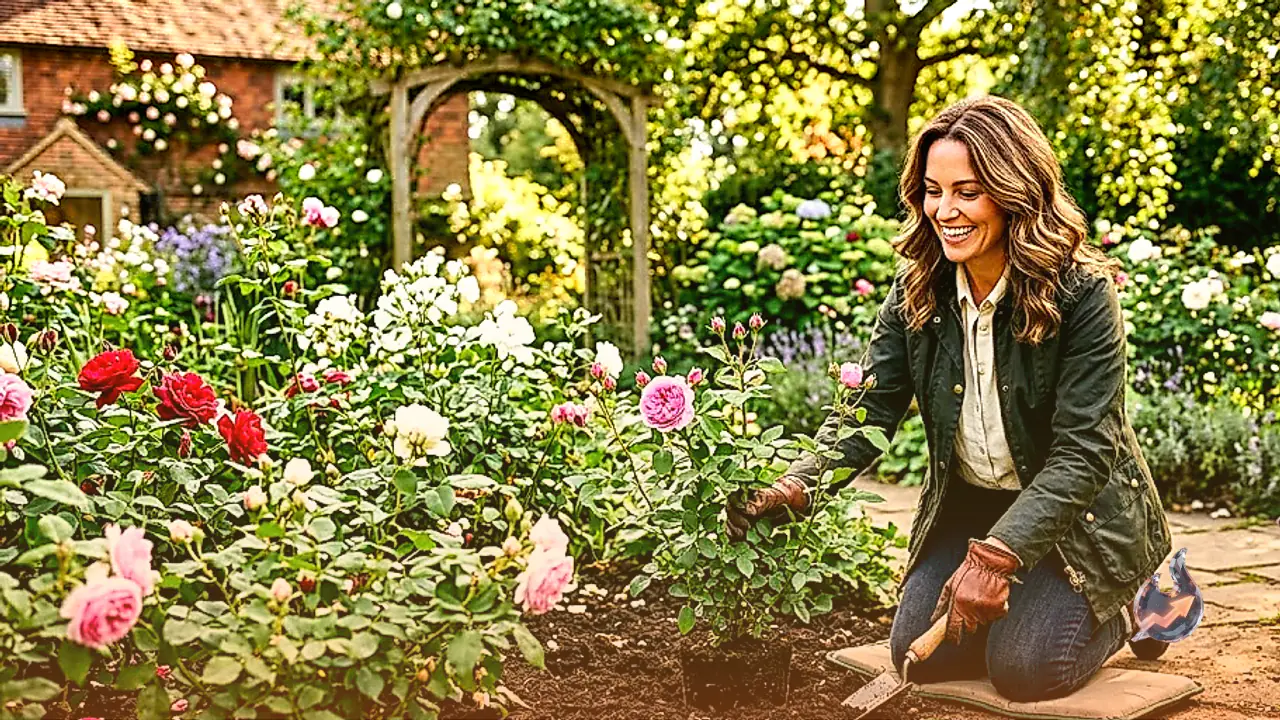
Renowned gardening expert B. D. Sankhare explains that various colorful varieties of roses can be grown at home quite effortlessly. If you plant a new sapling right now or carefully propagate a properly prepared stem cutting, you can look forward to seeing gorgeous flowers on your plants during the upcoming winter months. With a little attention to detail and proper care, anyone can successfully cultivate stunning rose plants right in their home balconies or courtyards.
How to Prepare the Right Soil for Roses
Rose plants can be successfully grown either in pots or directly planted into the ground. However, it is essential to keep in mind that water must never stagnate within the soil. If you are planting in a pot, the drainage system must be set up efficiently so that excess water escapes easily. To encourage better growth of the plant, the soil needs to be kept loose, airy, and crumbly. Furthermore, the growing medium must contain a healthy and adequate amount of organic manure.
Soil Mixtures for Pots and Seeds
For planting in pots, prepare your soil mixture by combining 50 percent cocopeat and 50 percent vermicompost, or well-rotted cow dung manure. Keep this mixed soil exposed to sunlight for a short while before actually using it, as this helps eliminate any excess lingering moisture. If you are raising a plant directly from seeds, the soil mixture needs to be kept extremely light and crumbly. For this purpose, prepare a blend consisting of 60 percent cocopeat, 30 percent vermicompost, and 10 percent clean sand.
Methods for Growing a New Plant from Cuttings
If you already have an older rose plant established at your home, you can easily grow a brand-new plant by taking a cutting from its stem. The first step involves selecting the correct branch for the job. Never pick a branch that is excessively soft or overly woody and stiff like old timber. Always choose a healthy, semi-mature stem for propagation.
Branch Thickness and Proper Cutting Technique
Select a healthy branch that measures roughly 6 to 10 millimeters in thickness. When trimming the cutting, always use a clean and sharp pair of scissors or a dedicated pruner to avoid damaging the stem tissues. Make a slanted cut at an angle of roughly 45 degrees near the lower end of the branch. Strip away most of the leaves, retaining only a few at the very top of the cutting. This crucial step ensures that the plant channels all its energy into developing brand-new roots.
Precautions When Planting Cuttings in Pots
After snipping the rose cutting, do not leave it exposed to harsh sunlight for long periods. Keeping it in the sun for too long can dry out the cutting completely and ruin its chances of survival. Place the fresh cutting in a clean spot and quickly plant it into your prepared soil or rooting medium. While some people attempt to sprout roots by keeping cuttings submerged in water, this is not strictly necessary for every rose variety, making a moist yet well-drained soil medium a much simpler and more reliable approach.
Managing Irrigation and Sunlight
Right after planting the cutting into the pot, give it a light watering to settle the surrounding soil. Position your pot in a location where it receives adequate and bright natural light. During the initial days, protect the delicate plant from harsh afternoon sunlight. When you combine red, pink, and white roses in your garden layout, they create a stunning and aesthetically pleasing color combination. Rose plants require multiple hours of direct sunlight each day, so place them in a spot that catches plenty of sun rays.
Maintenance and Watering Guidelines
While watering your plants, ensure that the soil never becomes waterlogged or overly soggy. Only water the plants as needed when you notice that the top layer of the soil has dried out. Periodically clear away dead leaves and withered flowers to maintain proper cleanliness and hygiene around the plant. Keep in mind that the exact timing and total number of blooms will ultimately depend on the plant variety, exposure to sunlight, prevailing weather conditions, and the quality of regular care it receives.