






















As the monsoon sets in, gardeners looking for a plant that is both beautiful and beneficial for health often turn to the Aparajita vine. Its deep blue flowers brighten up a courtyard and are believed to bring positive energy into a home. What makes it even more appealing is how easy it is to maintain, since it grows well even in a small pot with minimal care, which is why more households are now choosing to plant it. It is the kind of plant that adds both joy and wellness to daily life.
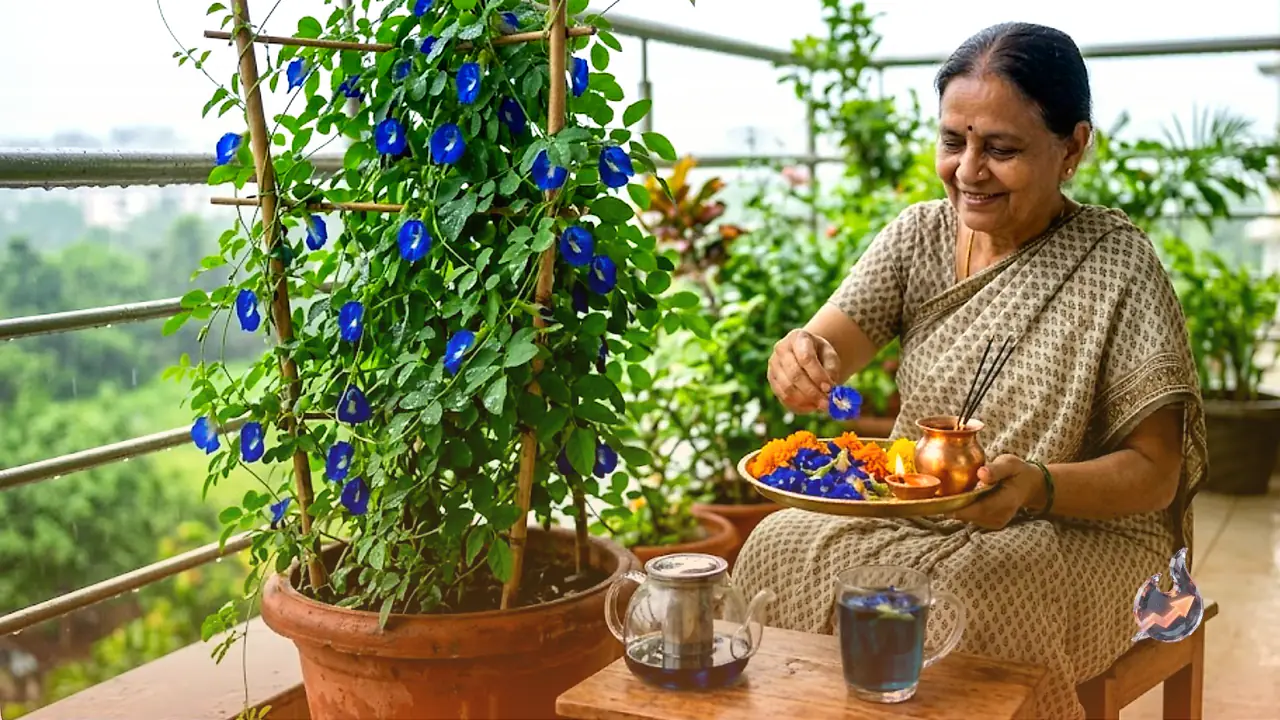
Sudha Patel, the block officer for Sohawal in Satna, said the vine holds deep significance in Hindu customs and worship rituals. Its blue flowers are specifically offered to Lord Vishnu and Lord Shiva during puja. According to Vastu Shastra, keeping this plant at home invites prosperity and happiness while driving away negative energy. Beyond its religious value, people in the Vindhya region have relied on it as an effective medicinal remedy for generations, making it a household tradition rooted in both faith and practical experience.
How to Grow Aparajita in a Pot
According to experts, the monsoon season is considered the ideal time to plant Aparajita, since the moisture and temperature during this period suit the plant well. To grow it, first choose a pot at least 10 to 12 inches wide with good drainage. Fill it with a fertile mix of regular soil, vermicompost and cocopeat so the roots get proper nourishment right from the start.
To speed up germination, there is a simple trick to follow. Soak the seeds in lukewarm water for 3 to 4 hours before planting, which softens their hard outer layer and speeds up sprouting. After that, press the soaked seeds about half an inch deep into moist soil, cover lightly with soil and mist with a spray bottle. Keep the pot in a warm spot that receives 6 to 8 hours of direct sunlight daily, since the plant grows well only when it gets adequate sunlight. Following this method, tiny seedlings emerge from the soil within just 5 to 10 days.
While watering, make sure to water only when the top layer of soil looks dry, otherwise waterlogging can rot the roots. Since this is a climbing vine, once it grows a bit taller, it needs support such as a wooden stick, a balcony railing or a trellis, or it may spread weakly along the ground.
Tips to Get More and Denser Blooms
Within about 60 to 90 days of planting the seeds, the plant begins to produce beautiful flowers, and buds form quickly when the weather is favourable. To get flowers faster and in greater numbers, the upper branches should be pruned periodically, which encourages new branches to sprout and makes the plant denser. Along with this, mixing a little cow dung manure or a potassium-rich organic fertilizer into the soil every month keeps the plant nourished and boosts flowering.
The Health Benefits of Blue Flower Tea
Tea made from Aparajita's flowers has been a favourite in the Vindhya region for years, and it is remarkably simple to prepare. Add 4 to 5 dried or fresh blue flowers to a cup of boiling water, cover it for 5 minutes, then strain and add honey or lemon juice to taste. As soon as lemon juice is added, the tea's colour magically changes from blue to purple, making it visually striking as well. This herbal tea is rich in antioxidants and anti-inflammatory properties, which fight free radicals to bring a glow to the skin and help prevent premature greying of hair.
Its medicinal compounds are also known to raise acetylcholine levels in the brain, which sharpens memory while reducing stress and anxiety. On top of that, the tea directly helps boost metabolism, aiding in weight control and keeping blood sugar levels stable. In short, the same little blue flowers that find a place on the puja thali also make their way into a cup of tea for everyday wellness.