






















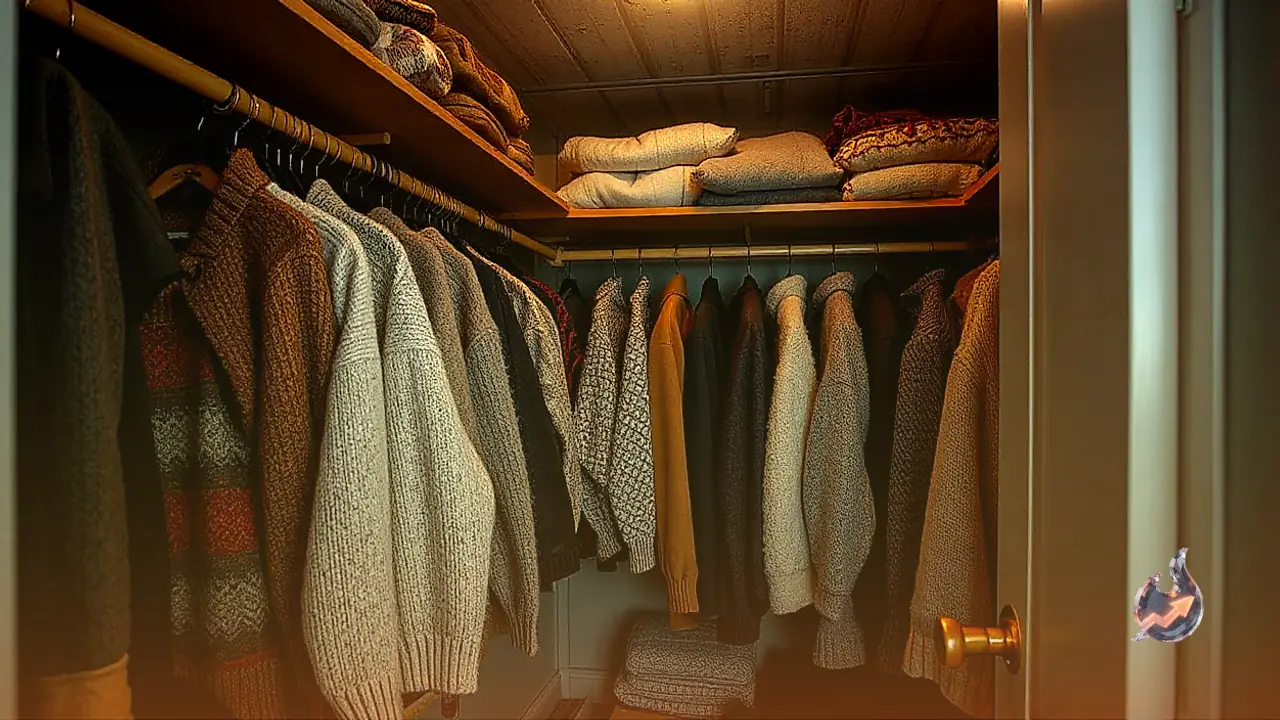

With the onset of winter, households begin unpacking stored warm clothing that has spent months packed away in dark wardrobes or storage trunks. Prolonged confinement often leaves sweaters, pullovers, and shawls smelling stale, damp, and musty. While wearing them immediately feels uncomfortable, washing woolens after every unpacking is neither practical nor recommended. Frequent immersion in water can weaken delicate knit fibers, cause irreversible shrinkage, and spoil the fit and soft texture of the garments. Fortunately, dependable household techniques can restore freshness without subjecting them to a wash cycle.
Airflow and Filtered Sunlight for Natural Freshening
The initial step in refreshing musty woolens is exposing them to open air. Place the sweaters on clean, broad hangers and suspend them in a well-ventilated area where air circulates freely. Placing garments under mild, early-morning sunlight for a brief period works remarkably well, as moving air and gentle warmth work together to evaporate residual moisture and disperse lingering odors. Care should be taken to keep woolens away from harsh, blazing midday sun. Prolonged exposure to intense heat and ultraviolet rays can bleach fabric dyes, fade vibrant colors, and leave the woolen yarn brittle.
Neutralizing Stale Odors Using Baking Soda
Baking soda serves as an exceptional natural deodorizer when dealing with stubborn, enclosed storage odors. To use this method safely, place a few spoonfuls of baking soda inside a small breathable cloth pouch or clean cotton swatch and tie it firmly. Lay the pouch alongside the sweater inside a large, enclosed fabric storage bag for a few hours. The sodium bicarbonate absorbs ambient moisture and traps foul odors from the surrounding fabric. Ensure that the powder is never sprinkled directly onto the woolen garments, as fine granules can embed deeply into the woven mesh and become difficult to brush off.
Protective Storage with Dried Neem Leaves and Sachets
Long-term wardrobe maintenance plays a crucial role in preventing damp smells from returning. When organizing warm garments inside cupboards, tuck dried neem leaves or aromatic fragrance sachets between the folded layers. Dried neem acts as a natural deterrent against dampness and pests, while scented pouches keep the closet environment pleasant. Wardrobe doors should also be opened regularly for brief intervals to allow stagnant indoor air to escape and fresh air to circulate. Never pack away clothes while they retain the slightest trace of dampness.
When Professional Dry Cleaning Becomes Necessary
While home remedies handle mild stale scents effectively, severe fabric issues demand specialized care. If a sweater shows visible mold or mildew growth, feels damp to the touch, or produces an overpowering sour stench, wearing it directly must be avoided. In such instances, opting for safe, professional dry cleaning remains the safest course of action. Professional care neutralizes fungal spores and deeply rooted odors without risking shrinkage or fiber destruction.